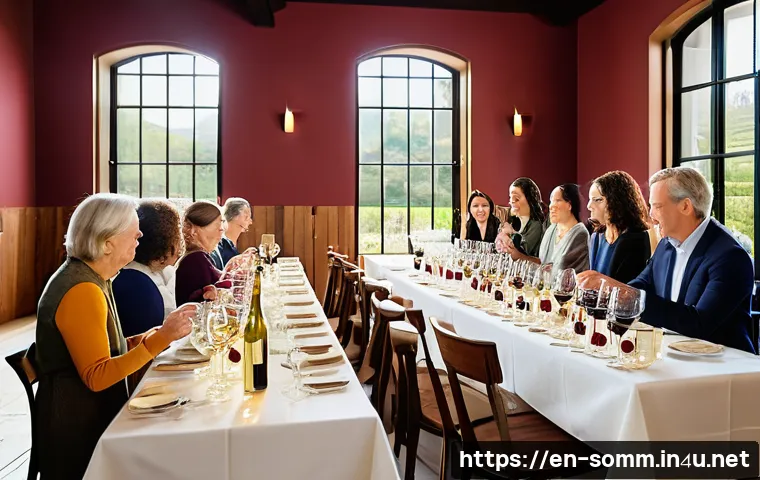
Ever dreamt of truly understanding the complexities in a glass of wine, beyond just red or white? I certainly did! My journey into the world of professional wine tasting took a fascinating turn recently when I completed a practical sommelier training program.
Let me tell you, it was an absolute game-changer, revealing layers of knowledge and skill I never knew existed. In today’s dynamic wine scene, with fascinating new trends like sustainable viticulture and the rise of unique, lesser-known varietals reshaping our palates, a sommelier’s role is more exciting and relevant than ever.
This hands-on experience wasn’t just about memorizing facts; it was about truly connecting with the spirit of the wine, understanding its story from vine to glass, and mastering the art of pairing it perfectly.
I’ve always been passionate about wine, but this program gave me the confidence and expertise to navigate its ever-evolving landscape. If you’re curious about what it truly takes to become a wine expert or just want to deepen your appreciation, you’re in the right place.
Let’s uncork all the juicy details and explore this incredible experience together!
The Sensory Symphony: Unlocking Wine’s True Voice
Beyond Just “Good”: The Thrill of Blind Tasting
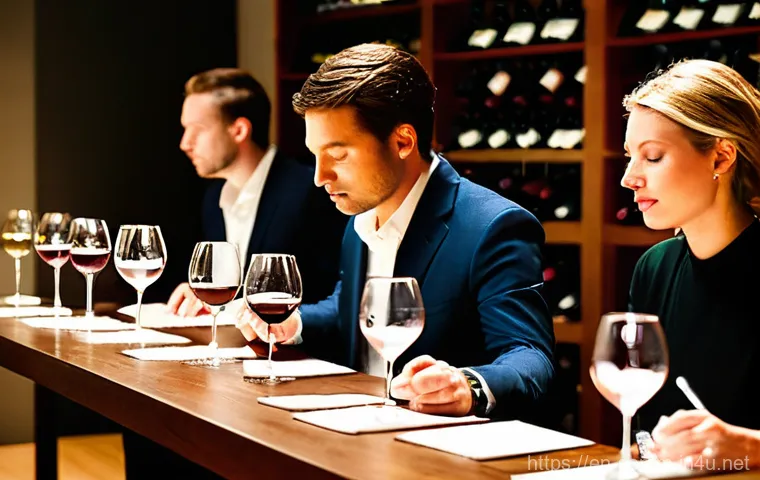
Oh, where do I even begin? That first blind tasting session during my sommelier training was an absolute whirlwind, a real baptism by fire for my palate!
Before this program, I thought I had a decent handle on wine, you know, distinguishing between a Cabernet Sauvignon and a Pinot Noir. Boy, was I wrong!
Our instructor, a seasoned Master Sommelier with an almost intimidatingly sharp sense of smell, threw us into a lineup of unlabeled glasses. It wasn’t just about guessing the grape; it was about dissecting every single nuance.
I remember one moment, swirling a glass, trying to pinpoint the faint whiff of green bell pepper, then realizing it was actually jalapeño – a subtle but crucial difference that told a whole new story about the wine’s terroir and winemaking techniques.
This intense focus on sensory evaluation, breaking down wine into its aromatic and textural components, taught me to truly *listen* to the wine. It’s like learning a new language where flavors and aromas are the words, and the wine itself is telling you its life story.
I quickly learned that identifying specific characteristics, not just saying “I like it,” is the hallmark of a true professional. It’s an exhilarating challenge that transforms mere drinking into an intellectual adventure, making every sip a learning experience.
Aromatic Adventures: Decoding the Invisible Tapestry
It’s incredible how much information you can extract from a wine just by its scent. Our training wasn’t just about sniffing, it was about identifying specific compounds, understanding their origins, and linking them back to the grape, region, and even winemaking processes.
I always thought “fruity” was a good descriptor, but now I can confidently distinguish between fresh red berries, stewed plums, dried cherries, or even a hint of blackberry jam.
And then there are the non-fruit aromas: earthy notes of damp forest floor, the savory scent of cured meat, the sweet spice of vanilla or cinnamon, or the intriguing mineral notes like wet stone or chalk.
One exercise involved blind smelling vials of different aromas – everything from blackcurrant to petrol! It truly opened my mind to the vast aromatic spectrum of wine.
This rigorous training isn’t just an academic exercise; it deeply enhances your appreciation for every glass. When you can identify the faint scent of leather in an aged Barolo or the delicate floral notes in a crisp Riesling, the wine becomes a much richer, more personal experience.
It made me feel like a detective, uncovering hidden clues in every swirl and sniff.
The Sommelier’s Craft: More Than Just Pouring Wine
Mastering the Wine List: A Sommelier’s True Compass
Before this program, I honestly thought a wine list was just, well, a list of wines. How naive! I quickly discovered that a well-curated wine list is a work of art, a narrative of a restaurant’s philosophy, and a challenging puzzle for the sommelier.
Our training emphasized not just memorizing names and vintages, but truly understanding the ‘why’ behind each selection. We delved into the intricacies of region-specific styles, vintage variations, producer philosophies, and even economic considerations that dictate a wine’s presence on a list.
It was about being able to tell a story about each bottle, to connect with the guest’s preferences and guide them to their perfect match. I recall a particularly tough session where we had to analyze a complex restaurant wine list, identify potential gaps, suggest new additions based on current trends, and justify our choices both economically and stylistically.
It really showed me the depth of knowledge and strategic thinking required, far beyond simply knowing a lot about wine. It’s about being an expert curator, anticipating guest desires, and ensuring a harmonious dining experience.
Service with a Story: The Art of Presentation and Connection
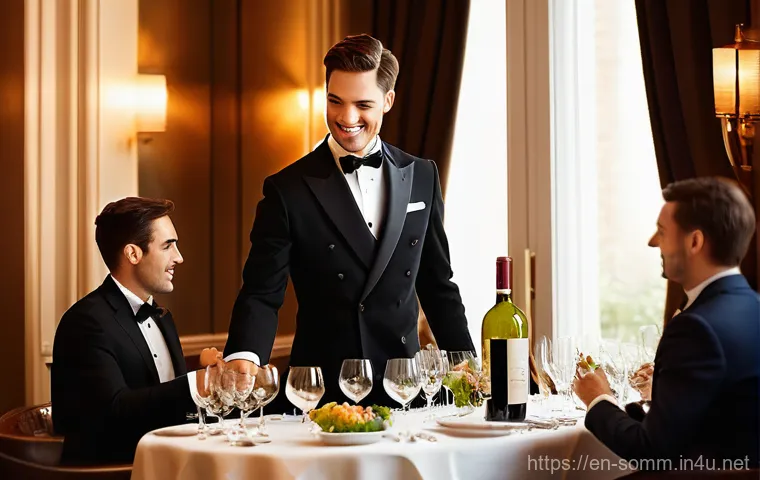
One of the most surprising and rewarding aspects of the practical sommelier training was the emphasis on service. It wasn’t just about opening a bottle correctly – though trust me, there’s an art to that too!
– it was about understanding the psychology of the guest, reading the room, and enhancing the overall dining experience. We practiced everything from proper decanting techniques to elegant table-side service, but the real ‘aha!’ moment for me was learning how to engage with guests.
It’s not about showing off your knowledge; it’s about making them feel comfortable, respected, and excited about their choice. I learned to ask open-ended questions, observe their body language, and tailor my recommendations to their mood and palate, not just the food they ordered.
One instructor shared a fantastic tip: “Don’t just sell a bottle; sell an experience, a memory.” That really resonated with me. This human-centric approach transforms a transactional interaction into a genuine connection, and it’s what truly sets an exceptional sommelier apart.
It’s a dance of empathy and expertise, performed with grace and genuine enthusiasm.
Vineyard to Glass: The Genesis of Greatness
The Earth’s Fingerprint: How Terroir Shapes Flavor
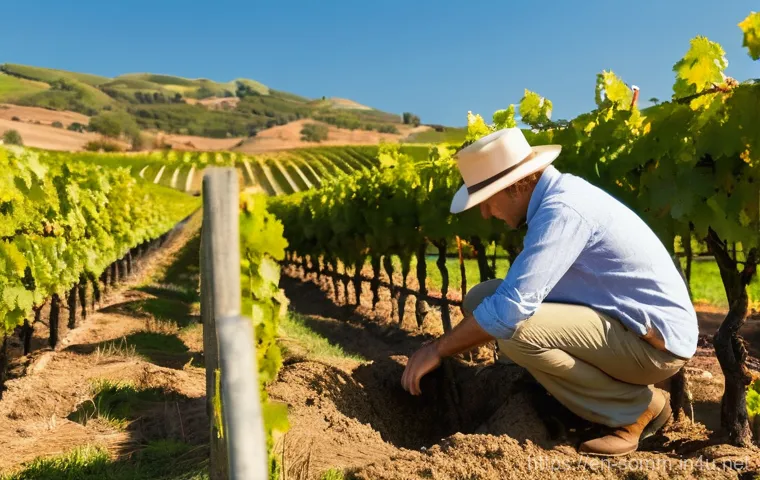
My eyes were truly opened to the profound impact of terroir during the program. Before, I understood it as a general concept, but experiencing it firsthand, through comparative tastings and detailed discussions, was revolutionary.
We explored how everything from the soil composition – imagine limestone-rich Chardonnay from Chablis versus volcanic soils imparting minerality in a Santorini Assyrtiko – to altitude, aspect, and local microclimates crafts the unique identity of a wine.
I remember a particularly fascinating session where we tasted six different Pinot Noirs, all from Burgundy, but each from a distinct Grand Cru vineyard just miles apart.
The differences were subtle yet striking: one boasted more red fruit, another an earthy savoriness, a third a more pronounced floral note. It was a tangible demonstration of how the land itself imprints its character onto the grapes.
This understanding isn’t just academic; it allows me to appreciate the sheer diversity and complexity of wine, recognizing that each bottle is a testament to its specific corner of the earth.
It truly makes you respect the vineyard, the vintners, and the incredible journey from a single vine to the nuanced liquid in your glass.
Sustainable Sips: The Future of Winemaking and Our Palates
One of the most forward-thinking aspects of the training was the deep dive into sustainable viticulture and organic/biodynamic winemaking. It’s a trend that’s rapidly gaining traction, and for good reason!
We learned about the environmental benefits, of course, but also the philosophical shift towards healthier vineyards and, arguably, more expressive wines.
Our instructors highlighted how practices like reduced chemical intervention, cover cropping, and encouraging biodiversity can lead to more resilient vines and grapes that truly reflect their terroir without masking agents.
I found myself particularly drawn to the stories of winemakers who are embracing these methods, sometimes against conventional wisdom, to produce wines that are not only delicious but also respectful of the land.
We tasted several organic and biodynamic wines, and while the differences aren’t always immediately obvious, there’s often a purity and vibrancy that really stands out.
It’s inspiring to see an industry known for tradition embrace innovation that benefits both the planet and our palates, proving that quality and conscience can go hand-in-hand.
This segment of the training felt incredibly relevant, preparing us for a future where consumers increasingly seek out ethical and environmentally friendly options.
Pairing Perfection: The Art of Culinary Harmony
The Science of Synergy: Why Some Combinations Just Sing
Ah, food and wine pairing – the holy grail for many wine lovers! This part of the training was pure fun, but also incredibly insightful. It’s not just about “red with meat, white with fish” anymore; that’s such an oversimplification.
We delved into the actual science behind why certain combinations work, considering factors like acidity, tannin, sweetness, and alcohol levels. For instance, the high acidity in a Sauvignon Blanc cuts through the richness of a creamy goat cheese, creating a refreshing balance.
Or the robust tannins in a Cabernet Sauvignon can stand up to a fatty steak, cleansing the palate with each bite. We experimented with intentionally bad pairings too, which, believe it or not, was incredibly instructive!
Tasting a delicate Pinot Noir with a spicy curry instantly demonstrated how conflicting flavors can clash and ruin both the wine and the dish. It was like solving a puzzle, understanding how the components of food and wine interact on a molecular level to create either dissonance or, ideally, a harmonious new experience.
This systematic approach gave me the confidence to move beyond clichés and truly understand the principles of successful pairing.
Unexpected Delights: My Favorite Pairings Discovered
Through all the theoretical learning and practical tasting, I stumbled upon some truly surprising and absolutely delightful pairings that I now swear by.
Forget the stuffy rules; sometimes the most unexpected combinations are the most memorable! One standout for me was discovering how beautifully a slightly off-dry German Riesling (think spatlese or auslese) complements spicier Asian cuisine.
The sweetness and acidity in the wine dance perfectly with the heat, refreshing the palate and enhancing the complex aromatics. Another revelation was pairing aged Parmesan cheese with a full-bodied, oak-aged Chardonnay.
The nutty, salty richness of the cheese finds a perfect partner in the wine’s creamy texture and often subtle notes of butter or hazelnut. But perhaps my absolute favorite, and one I often recommend, is a chilled sparkling wine – a Cava or a Prosecco – with good old fish and chips.
The bubbles and acidity cut through the richness of the fried fish and potatoes, and it just feels so festive and indulgent. These experiences taught me that while principles are important, the real magic happens when you’re open to experimentation and trust your own palate.
Navigating the Cellar: Beyond Just Bottles
Inventory and Management: The Unsung Hero of Wine Service
While the glamorous side of sommelier work involves tasting and recommending, a huge chunk of the practical training was dedicated to the nitty-gritty of cellar management.
And let me tell you, it’s far more complex than just shelving bottles! We learned about proper storage conditions – temperature, humidity, light, vibration – all crucial factors for preserving a wine’s integrity.
Then there’s inventory control, which involves meticulous record-keeping, tracking stock, managing costs, and forecasting demand. I remember spending hours poring over spreadsheets, calculating pour costs, and learning how to optimize cellar space for efficiency and accessibility.
It was a fascinating glimpse into the operational backbone of a successful wine program. We even covered legal compliance, understanding regulations around alcohol sales and storage, which varies quite a bit depending on location.
This hands-on experience, dealing with real-world cellar challenges, made me appreciate that a sommelier’s expertise isn’t just about what’s in the bottle, but also about the intelligent systems that ensure those bottles reach the guest in perfect condition.
It’s the less celebrated part of the job, but absolutely vital for smooth operations and profit margins.
| Wine Category | Key Characteristics | Common Food Pairings | Sommelier Tip |
|---|---|---|---|
| Light-Bodied White | High acidity, crisp, citrus, green apple, mineral notes | Oysters, salads, grilled fish, goat cheese | Serve well-chilled to highlight freshness. |
| Full-Bodied White | Creamy texture, oak influence, tropical fruit, vanilla | Roasted chicken, richer fish dishes, creamy pasta | Consider decanting to open up complex aromas. |
| Light-Bodied Red | Low tannin, red berries, earthy, floral notes | Poultry, mushroom dishes, salmon, charcuterie | Slightly chilled can enhance fruitiness. |
| Full-Bodied Red | High tannin, dark fruit, spice, leather, tobacco | Red meat, hearty stews, aged cheeses | Allow to breathe to soften tannins and express aromatics. |
| Sparkling Wine | High acidity, bubbles, brioche, citrus | Anything fried, salty snacks, oysters, celebrations | Always a safe and celebratory choice for almost any occasion. |
Building Your Personal Wine Brand: Beyond the Restaurant Floor
What truly surprised me about the sommelier training was the discussion around building a personal brand, especially in today’s digital age. It wasn’t just about working in a fancy restaurant; our instructors encouraged us to think about how we could leverage our newfound expertise in broader ways.
We talked about wine writing, consulting, private events, and even online content creation. I realized that my passion for sharing wine knowledge could extend far beyond a single establishment.
The program emphasized networking, connecting with other professionals, and finding unique niches within the vast wine industry. It made me think about my blog, for instance, and how I could translate my professional training into engaging content for my readers.
It’s about becoming an influential voice, someone people trust for wine recommendations and insights. This entrepreneurial spirit woven into the curriculum was incredibly motivating, transforming the idea of a sommelier from a purely service-based role to a broader, more dynamic career path with endless possibilities.
It truly felt like they were equipping us not just for a job, but for a whole career built around our love for wine.
Wrapping Up Our Wine Journey
And there you have it, my friends! What a fascinating ride it’s been, delving deep into the multifaceted world of wine through the lens of sommelier training. From the thrilling challenge of blind tasting that truly sharpened my palate to the meticulous art of cellar management, every step has unveiled a new layer of appreciation for this incredible beverage. It’s more than just a drink; it’s a story in a bottle, a testament to nature, human ingenuity, and sometimes, centuries of tradition. I genuinely hope that sharing my experiences has sparked a similar curiosity in you, encouraging you to look beyond the label and truly connect with the sensory symphony that each glass offers. Remember, the most important lesson I learned is that wine is meant to be enjoyed, explored, and shared. So, go forth, swirl, sniff, and sip with newfound confidence and a spirit of adventure!
Essential Wine Wisdom for Every Enthusiast
Here are some of my go-to tips and tricks that I’ve picked up along the way – little nuggets of wisdom that I believe can truly elevate anyone’s wine journey, whether you’re a seasoned connoisseur or just starting out. These aren’t just textbook rules; they’re practices I’ve found incredibly helpful in my own exploration.
1. Trust Your Own Palate Above All Else. While expert opinions and tasting notes are fantastic guides, your personal enjoyment is paramount. Don’t feel pressured to love a wine just because someone else does. What you enjoy, what tastes good *to you*, is the ultimate measure of a great bottle. Experiment widely, take notes on what you like and why, and build your own unique palate profile. It’s a journey of self-discovery as much as it is a journey through vineyards.
2. Temperature Matters More Than You Think. Serving a wine at its ideal temperature can dramatically unlock its true character. White and sparkling wines generally benefit from being well-chilled (around 45-50°F or 7-10°C), while lighter reds can be slightly cool (55-60°F or 13-16°C) and full-bodied reds best at cellar temperature (60-65°F or 16-18°C), never room temperature! If a wine feels ‘off,’ try adjusting its temperature before writing it off completely. It’s often the simplest fix.
3. Don’t Be Afraid to Decant. While not every wine needs decanting, many benefit from it, especially younger, more tannic reds or older wines with sediment. Decanting allows the wine to ‘breathe,’ softening tannins and allowing its complex aromas to unfold more fully. Even 30 minutes in a decanter can make a world of difference, transforming a tight, closed wine into something more expressive and enjoyable. It’s a simple ritual that truly enhances the tasting experience.
4. Explore Beyond the Usual Suspects. It’s easy to stick to familiar grape varieties and regions, but the real fun begins when you venture out. Try a unique indigenous grape from Italy, a lesser-known region in France, or an emerging wine-producing country. You’ll be amazed at the incredible diversity and value you can find. I’ve discovered some of my all-time favorite bottles by taking a chance on something I’d never heard of, often recommended by a passionate wine shop owner.
5. Invest in Quality Glassware. While you don’t need a different glass for every single grape, having a few good quality, thin-rimmed, clear wine glasses can genuinely enhance your perception of a wine’s aromas and flavors. The right glass funnels the aromatics to your nose more effectively and allows you to appreciate the wine’s color and texture. It’s a small investment that pays huge dividends in tasting pleasure and makes every pour feel a little more special.
Key Insights to Elevate Your Wine Experience
Reflecting on my sommelier journey, a few core principles consistently emerge as game-changers. Firstly, truly engaging with a wine through blind tasting fosters an unparalleled depth of understanding, transforming casual drinking into a profound sensory exploration. Secondly, recognizing that a sommelier’s craft extends far beyond mere pouring to include meticulous list curation and empathetic guest interaction highlights the holistic nature of professional wine service. My experience also cemented the undeniable impact of terroir, proving that the earth’s fingerprint is indelible on every grape, while sustainable practices represent a crucial, delicious path forward. Lastly, mastering the art of food and wine pairing isn’t just about rules; it’s about discovering harmonious synergies and unexpected delights that elevate both the meal and the wine. Embracing these insights has not only deepened my appreciation but also empowered me to share my passion, making every bottle a story worth telling and every sip an opportunity for discovery.
Frequently Asked Questions (FAQ) 📖
Q: What did a practical sommelier training program actually involve? I’m curious about the nitty-gritty!
A: Oh, where do I even begin? When I first signed up, I thought I knew a fair bit about wine, but this program truly opened my eyes to an entire universe of knowledge and practical skills.
It was far from just memorizing grape names and regions; it was an immersive journey! We dove deep into the theory – everything from the intricate history of wine across different civilizations to the nitty-gritty of viticulture (that’s grape growing, for my fellow wine lovers!) and winemaking techniques.
I mean, understanding how climate and soil can shape a wine’s entire personality? Mind-blowing! But here’s where the “practical” part really shone: the tasting.
We learned the systematic approach to tasting, which is like having a superpower for your palate. It wasn’t just about “liking” a wine; it was about dissecting its appearance, aroma, palate, and quality, learning how to objectively describe what was in the glass.
I vividly remember one session where we blind-tasted several Sauvignon Blancs from different regions, and it was incredible to pinpoint their unique characteristics just from taste and smell.
Honestly, that experience alone sharpened my senses in ways I never thought possible. Beyond the glass, there was a huge focus on hospitality and service.
This meant mastering the art of presenting wine, understanding cellar management, and even learning how to gracefully open a sparkling wine bottle (believe me, there’s a trick to it!).
We also spent a lot of time on food and wine pairing, which for me, was like unlocking a secret cheat code for dinner parties! It’s not just about red with meat, white with fish; it’s about understanding flavor profiles and textures to create a truly harmonious experience.
And yes, we even touched on other beverages like spirits and sake, giving us a well-rounded appreciation for the entire beverage world. It was comprehensive, challenging, and utterly fascinating.
Q: Is a sommelier certification really worth it if I don’t plan to work in a restaurant or as a professional sommelier?
A: That’s a fantastic question, and one I pondered quite a bit myself before taking the plunge! My honest answer, from the bottom of my wine-loving heart, is a resounding yes.
While many people associate sommelier training with working in fancy restaurants, I’ve found that the benefits extend far beyond a professional career.
For a passionate enthusiast like me, it’s been a complete game-changer for my personal enjoyment and appreciation of wine. Think about it: before, I’d enjoy a glass, but now, I truly understand it.
That deeper knowledge translates into making incredibly informed decisions when buying wine, whether I’m at a local wine shop or browsing an extensive list online.
I no longer feel overwhelmed by options; instead, I feel empowered to seek out new varietals or regions based on a genuine understanding of what I’ll find in the bottle.
It’s like going from simply hearing music to truly understanding the composition and the instruments. Beyond that, the skills you gain in food and wine pairing are invaluable for everyday life.
My own dinner parties have gone from “let’s just open something” to truly thoughtful pairings that elevate the entire meal. My friends and family have certainly noticed the difference, and it’s a joy to share that enhanced experience with them.
Plus, let’s be real, there’s a certain quiet confidence that comes with being able to confidently discuss wine, recommend something delicious, or even just avoid a bad purchase.
It’s an investment in yourself, your palate, and your enjoyment of one of life’s great pleasures. It definitely amplifies the joy in every sip!
Q: How quickly can I actually apply what I learned in real life and my everyday wine experiences?
A: Oh, this is the exciting part! One of the most rewarding aspects of this practical training was how immediately applicable everything felt. I wasn’t just learning abstract theories; I was gaining tools I could use that very evening.
Right away, my tasting skills became sharper. When I pour a glass now, I automatically engage my senses in a much more intentional way. I can pick out those subtle notes of green apple in a crisp Pinot Grigio or the earthy undertones in a robust Cabernet Sauvignon, and it truly enhances the entire experience.
It’s like the wine is telling me its story, and I finally understand the language. Then there’s the wine selection process. Before, I might have grabbed a bottle based on a pretty label or a fleeting memory.
Now, when I’m standing in the wine aisle, I feel a genuine connection to the bottles. I can read a label and instantly have a much clearer idea of what’s inside, thanks to understanding regions, grapes, and winemaking styles.
This has led me to explore so many unique and fantastic wines I might have completely overlooked before – like some incredible low-intervention reds or crisp, food-friendly whites that are totally in vogue right now.
And let’s not forget food pairing. That became an instant upgrade for every meal! Whether I’m whipping up a weeknight pasta or planning a celebratory dinner, I now have a mental toolkit for choosing a wine that will truly sing with the food.
It’s no longer guesswork; it’s an informed, delicious decision. I remember once I had some grilled halloumi and instinctively reached for a bright, citrusy Assyrtiko, and the way the wine’s acidity cut through the richness of the cheese was pure magic.
This training isn’t just about memorizing facts; it’s about transforming your everyday moments with wine into something truly special. You’ll find yourself confidently navigating wine lists, discovering new favorites, and even gently guiding your friends to their next great pour in no time!