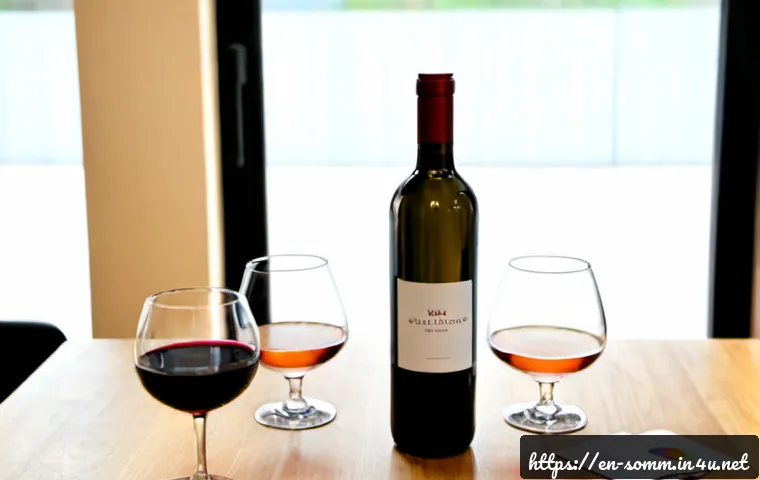
With the surge in at-home dining and virtual celebrations, choosing the right wine has never been more exciting—or overwhelming. Whether you’re unwinding after a long day or hosting friends, finding that perfect bottle tailored to your budget can transform any occasion.
In this guide, I’ll share insider picks from sommeliers that suit every wallet, helping you unlock the art of the perfect pour. Stick around, because these selections aren’t just affordable—they’re crowd-pleasers that elevate your wine experience without breaking the bank.
Let’s dive into some delicious discoveries that I’ve personally tested and loved!
Discovering Gems: Wines That Offer Incredible Value
Hidden Treasures from Lesser-Known Regions
When you’re hunting for a wallet-friendly wine that still impresses the palate, it’s worth exploring regions outside the usual suspects like Napa or Bordeaux.
Places like Portugal’s Douro Valley or Spain’s Rías Baixas offer exceptional bottles at surprisingly modest prices. I’ve personally found that these wines often bring a unique character—think crisp whites with lively acidity or robust reds with layers of spice—that rival pricier labels.
Sampling these lesser-known gems not only broadens your wine horizons but also keeps your budget intact. Plus, your guests will appreciate the story behind the bottle, making your gathering feel all the more special.
Seasonal Picks to Match Your Mood and Meal
Matching your wine to the season can transform your at-home dining experience. In warmer months, I lean toward refreshing rosés and zesty whites like Albariño or Sauvignon Blanc that brighten up lighter dishes.
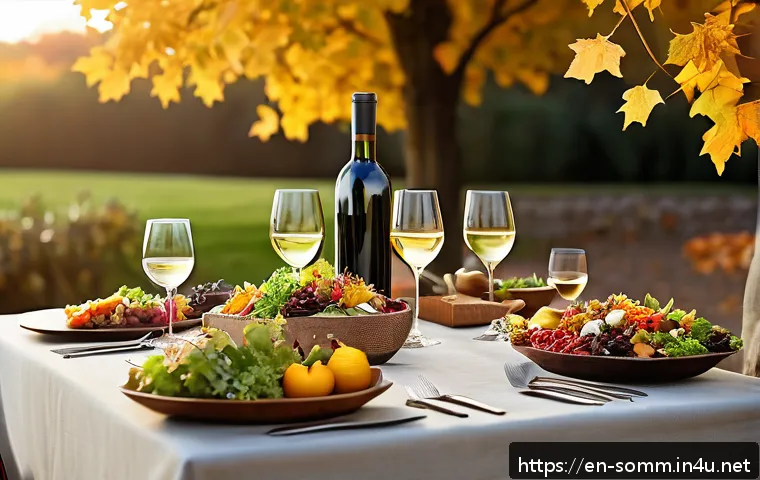
Come fall and winter, I switch to fuller-bodied reds with cozy, warming notes—think Malbec or Syrah—that pair beautifully with heartier fare. This seasonal approach keeps your wine selection exciting and relevant, ensuring that every sip complements your meal and mood perfectly.
Plus, seasonal wines often hit the shelves at great prices, especially during harvest celebrations or local promotions.
Smart Shopping Tips from the Wine Aisle
Navigating wine aisles can be intimidating, but a few insider tricks can simplify your quest for quality on a budget. First, look for bottles with clear tasting notes on the label; producers confident in their wine will guide you toward flavors you’ll enjoy.
Second, don’t shy away from “second labels” or lesser-known brands from reputable wineries—these often offer stellar quality at a fraction of the price.
Lastly, check for retailer specials or bulk discounts, especially around holidays or major sporting events. From my experience, keeping an eye out for these deals can snag you some real bargains without compromising taste.
Balancing Taste and Price: How to Choose Without Regret
Understanding What You Really Like
Before splurging or skimping on wine, take a moment to reflect on your flavor preferences. Are you drawn to fruity, light-bodied wines, or do you prefer bold, tannic reds?
Knowing your palate helps narrow down choices, reducing the chances of wasting money on bottles that don’t excite you. I’ve found that keeping a simple flavor journal—jotting down notes on what you liked or didn’t—can be a game-changer.
Over time, this habit sharpens your instincts, making shopping more intuitive and less stressful.
Price vs. Quality: Finding the Sweet Spot
It’s a common misconception that higher price always means better quality. In reality, many wines under $20 deliver fantastic drinking experiences. My rule of thumb is to look for bottles in the $12–$18 range when shopping for everyday enjoyment—this bracket often balances quality and affordability perfectly.
For special occasions, I might stretch to $25 or $30, but I rarely feel the need to go beyond that unless chasing a specific vintage or rare varietal.
Trusting your palate and experience over price tags is key.
When to Invest More and When to Save
Not every bottle needs to be a splurge, but some moments call for that extra touch of indulgence. For milestone celebrations or gifts, investing in a well-aged Bordeaux or a finely crafted Champagne can elevate the experience.
On the other hand, for casual weeknight dinners or large gatherings, crowd-pleasing bottles like a crisp Pinot Grigio or a smooth Merlot work perfectly without breaking the bank.
By reserving your higher-end purchases for meaningful occasions, you make each bottle count while still enjoying everyday wines guilt-free.
Food Pairing Made Simple: Elevate Your Meals with the Right Wine
Matching Wine to Flavors and Textures
Pairing wine with food doesn’t have to be complicated. A simple rule I follow is to match the intensity of the wine with the dish. Light wines like Riesling or Pinot Noir complement delicate dishes such as grilled chicken or fresh salads, while richer wines like Cabernet Sauvignon or Zinfandel stand up well to steak or roasted vegetables.
Texture also plays a role—creamy dishes go beautifully with wines that have good acidity to cut through the richness. Over time, experimenting with these combinations has made me realize that personal taste trumps rigid rules, so don’t be afraid to trust your instincts.
Wine and Cheese: A Timeless Duo
Few pairings are as universally loved as wine and cheese. When I’m hosting, I always include a variety of cheeses—from sharp aged cheddar to creamy brie—and match them with contrasting wines.
For example, a tangy goat cheese pairs wonderfully with a crisp Sauvignon Blanc, while a nutty Gruyère shines alongside a medium-bodied Chardonnay. This approach creates a balanced tasting experience that guests rave about.
Plus, assembling a cheese board is a quick, fuss-free way to elevate any casual get-together.
Pairing for Virtual Celebrations
With more gatherings happening online, pairing wine with your virtual party menu can enhance the experience even from afar. I recommend choosing versatile wines that travel well and can be enjoyed by a variety of guests.
Sparkling wines like Prosecco or Cava bring festive bubbles without the hefty price tag, while approachable reds such as Merlot or Tempranillo cater to diverse palates.
Sharing your pairing choices and tasting notes during the call adds a fun interactive element, making the virtual toast feel more connected and memorable.
Shopping Smart: Navigating Wine Stores and Online Options
Making the Most of Local Wine Shops
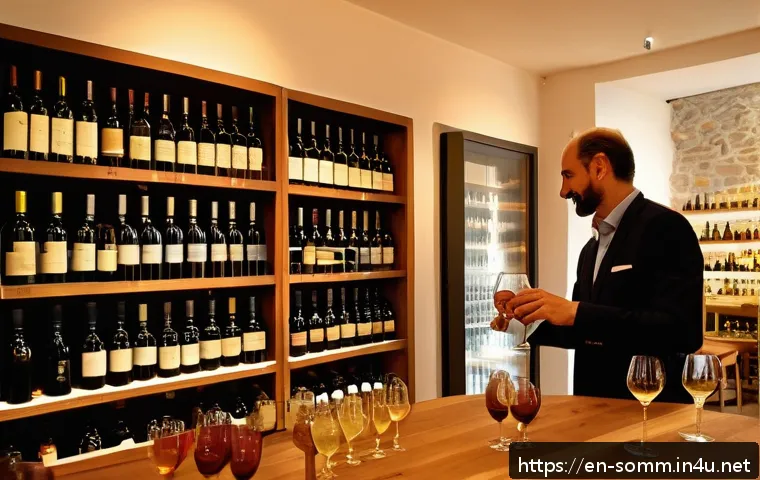
Local wine shops are treasure troves for discovering great bottles you won’t find in supermarkets. I love chatting with knowledgeable staff who often share personal favorites and recommendations tailored to your budget and taste.

Visiting regularly helps you build rapport and access exclusive offers or limited releases. Plus, supporting small businesses feels good and often rewards you with a more curated, high-quality selection.
My advice is to bring a list of your preferences and be open to trying their suggestions—you might stumble upon your new favorite.
Online Shopping Tips for Convenience and Variety
Online wine shopping offers unparalleled convenience and access to international selections. However, it’s important to read reviews and product descriptions carefully to avoid disappointments.
I always look for sites with clear return policies and detailed tasting notes. Subscribing to wine clubs or newsletters can also provide curated picks and discounts.
One of my favorite hacks is to check if the online retailer offers virtual tastings or pairing guides—these extras add value and make the experience more interactive.
Understanding Labels and Certifications
Reading wine labels can feel like deciphering a foreign language, but knowing a few key terms can guide your choices. Look for certifications like organic, biodynamic, or sustainable farming practices if that matters to you—they often indicate quality and care in production.
Vintage year, grape variety, and region are other important clues to flavor profile and style. Over time, becoming familiar with these details has helped me pick wines that consistently meet my expectations without guesswork.
Wines That Impress: Crowd-Pleasers for Every Occasion
Reliable Reds for Group Gatherings
When hosting friends or family, I tend to lean on reds that are broadly appealing and food-friendly. Wines like a smooth Merlot, a balanced Zinfandel, or a versatile Tempranillo rarely fail to impress.
These reds have approachable tannins and fruit-forward flavors that complement a wide range of dishes, from pasta to grilled meats. Buying in slightly larger quantities can also save money, and I’ve noticed that having a couple of bottle options on hand keeps everyone happy.
Whites That Light Up the Table
For those who prefer white wines, varietals like Chardonnay, Pinot Grigio, and Chenin Blanc are fantastic picks that suit many palates. I especially appreciate whites with a nice balance of acidity and fruitiness—they refresh the palate and pair well with everything from seafood to spicy cuisine.
Having a chilled white wine ready is a great way to welcome guests or unwind solo after a long day.
Celebratory Bubbles Without the Splurge
Sparkling wines add instant festivity, and thankfully, you don’t need to spend a fortune to enjoy quality bubbles. Prosecco and Cava are two of my go-to picks for affordable sparkle that tastes crisp and lively.
They’re perfect for toasts, brunches, or simply elevating a casual evening. I’ve found that these options often outperform pricier alternatives in versatility and crowd-pleasing appeal.
| Wine Type | Typical Price Range | Flavor Profile | Ideal Pairings | Recommended Regions |
|---|---|---|---|---|
| Red (Merlot, Zinfandel) | $12–$20 | Medium-bodied, fruity, soft tannins | Grilled meats, pasta, hearty stews | California, Spain, France |
| White (Chardonnay, Sauvignon Blanc) | $10–$18 | Bright acidity, citrus, tropical fruits | Seafood, salads, light poultry dishes | New Zealand, France, Italy |
| Sparkling (Prosecco, Cava) | $10–$20 | Crisp, refreshing, bubbly | Brunch, celebrations, appetizers | Italy, Spain |
| Rosé | $12–$18 | Light, fruity, dry or off-dry | Summer dishes, grilled vegetables, charcuterie | France, Spain, USA |
Building Your Wine Confidence: Tips from Personal Experience
Start Small and Keep Experimenting
When I first began exploring wine, I made the mistake of sticking to the same popular labels out of fear of wasting money. But once I started trying smaller, less familiar producers, I discovered an exciting world of flavors.
The key is to buy a bottle or two at a time and savor them slowly, taking notes on what you enjoy. This process has made me more confident and adventurous, and it’s how I stumbled upon some of my favorite budget-friendly wines.
Trust Your Senses Over Opinions
Wine tasting is subjective—what I love might not be your cup of tea, and that’s perfectly fine. I’ve learned to trust my own palate rather than relying solely on critics or ratings.
Sometimes, a simple, easy-drinking wine brings me more joy than an expensive, highly rated bottle. Embracing your preferences frees you from pressure and makes every sip more enjoyable.
Make It Social and Fun
Sharing wine with friends, whether in person or virtually, has made the journey so much richer for me. Hosting tasting nights or swapping bottles turns wine into an experience rather than just a drink.
These moments build memories and deepen your appreciation. Plus, the feedback and laughter that come from these gatherings often introduce you to new favorites you wouldn’t have discovered alone.
In Conclusion
Exploring wines that offer great value opens up a world of flavors without stretching your budget. Whether discovering hidden gems from lesser-known regions or pairing bottles to suit your meals and moods, there’s always a perfect wine waiting to be enjoyed. Trusting your own palate and shopping smart transforms wine from a mere beverage into a delightful experience. So, take your time, experiment, and savor every sip with confidence.
Helpful Tips to Remember
1. Explore wines from emerging regions to find unique flavors at affordable prices.
2. Match your wine choices with the season and your meal for enhanced enjoyment.
3. Use label information and retailer recommendations to make informed purchases.
4. Balance your wine budget by knowing when to splurge and when to save.
5. Make wine tasting a social and fun experience to deepen your appreciation and discover new favorites.
Key Takeaways
Choosing great value wines is all about understanding your taste preferences and being open to new experiences. Don’t let price tags dictate your choices; many affordable wines deliver excellent quality. Seasonal and regional selections can elevate your dining without overspending. Shopping local or online with a strategic approach enhances both variety and convenience. Finally, sharing wine with others makes every bottle more memorable and enjoyable.
Frequently Asked Questions (FAQ) 📖
Q: uestionsQ1: How can I choose a good wine without spending a lot of money?
A: Finding a great wine on a budget is definitely doable! Start by looking for lesser-known regions or grape varieties, which often offer excellent quality at a lower price.
For example, wines from Portugal or Chile can surprise you with their richness and complexity without the hefty price tag. Also, ask for recommendations at your local wine shop or check out trusted online reviews.
I’ve personally found that exploring these options not only saves money but introduces you to exciting new flavors you might not have tried otherwise.
Q: What type of wine pairs well with casual at-home meals?
A: When you’re dining casually at home, versatility is key. A medium-bodied red like a Merlot or a fruity white like a Sauvignon Blanc tends to complement a wide range of dishes—from pasta to grilled chicken.
Personally, I love grabbing a crisp Pinot Grigio for light meals or a smooth Malbec if I’m having something heartier. These wines are crowd-pleasers and easy to enjoy without overthinking the pairing, making your meal feel special without stress.
Q: How should I store wine at home to keep it tasting fresh?
A: Proper storage can make a big difference! Keep your wine in a cool, dark place with a consistent temperature, ideally between 50-65°F (10-18°C). Avoid storing bottles near heat sources or in direct sunlight, as that can quickly spoil the flavor.
If you don’t have a wine fridge, a closet or a basement corner works well. I learned this the hard way after leaving a bottle on a sunny windowsill—trust me, it’s worth the effort to store wine properly for the best taste every time you open a bottle.