Choose wines for sommelier practice by prioritizing clear varietal or regional character, sound bottle condition, and useful contrast across the flight.
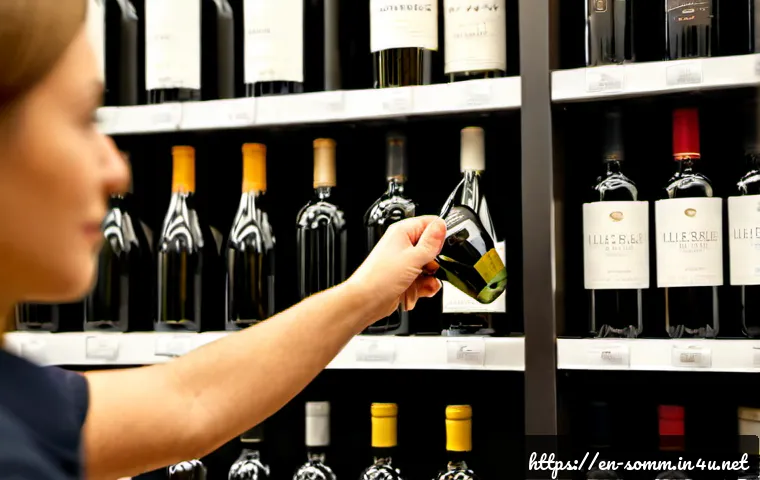
Prestige is optional: entry-level and mid-range bottles can teach a great deal when they are fresh, typical, and served correctly. Start with the skill you want to sharpen, such as acidity recognition, tannin comparison, or regional style identification.
Then buy bottles that make those differences easy to notice side by side. A better tasting glass, reliable preservation tool, or wine-course study material may add more value than spending heavily on every bottle.
Reserve a higher-budget bottle for a benchmark comparison when its extra complexity supports a specific learning goal.
At a Glance
- Choose typicity and bottle condition before prestige, rarity, or label appeal.
- Build flights around clear contrasts in acidity, tannin, body, alcohol, oak, and fruit profile.
- Spend more only when a benchmark bottle gives your tasting objective a clearer reference point.
| Bottle Type | Best Use | Learning Benefit | Common Risk |
|---|---|---|---|
| Value practice bottle | Foundational sensory drills and repeated blind tasting | Can show straightforward varietal or regional traits without making every session expensive | Style may be less clear, and storage or freshness needs closer attention |
| Reliable mid-range bottle | Structured comparison and wine-course preparation | Often offers more detail in texture, oak influence, and regional expression | Higher cost does not automatically mean greater typicity |
| Premium benchmark bottle | Focused study of a classic style or important contrast | May provide a useful reference for complexity and structure | Can consume too much of the tasting budget and may be less useful for repetition |
Start With the Learning Goal, Not the Most Expensive Bottle
The most useful bottle is the one that answers a tasting question. If you are learning to identify high acidity, choose wines that create a clear comparison with a lower-acid style. If you are studying tannin, line up a lighter red beside a more structured red. A famous label may be enjoyable, but it is not automatically the best wine for training.
The Fastest Way to Create a Useful Practice Lineup
Pick one learning objective, then select wines that make the target feature easier to isolate. For example, a flight can focus on white wines with different levels of acidity and body, or red wines with different tannin and oak profiles. Keep the theme narrow enough that you can explain what changed from glass to glass.
For blind-tasting practice, use bottles that are clearly distinguishable. A lineup with noticeable differences gives you more useful sensory evidence than several wines with nearly identical structure and fruit character.
What “Typical” Means in Varietal and Regional Tasting
A typical wine is not necessarily the most expensive expression of a grape or place. For practice, it is a wine that shows understandable varietal, regional, or winemaking characteristics. This matters because labels do not always name the grape, especially where regional naming rules are used. Before buying, look beyond the front label and review available product details, producer information, and wine-course study materials where appropriate.
Three Quick Rules for Selecting Bottles With Clear Learning Value
- Choose wines with a specific role in the flight: contrast, benchmark, or repetition.
- Favor sound bottles from retailers that appear to handle wine carefully.
- Do not pay more unless the added complexity helps you practice a defined skill.
Compare Bottle Types by Learning Value, Budget, and Risk
There is no universal price point that guarantees the best learning value in every market. Instead, compare each purchase against your purpose. A low-cost bottle may be ideal for repeated sensory drills, while a single more ambitious bottle can be useful when you need a benchmark for a classic style.
Value Bottles: When Lower-Priced Wines Are Enough
Value bottles can work well when they are fresh and show recognizable characteristics. They are especially practical for foundational practice: identifying fruit profile, acidity, body, sweetness, alcohol, and basic tannin levels. They can also reduce hesitation about opening bottles regularly, which is important when repetition is part of your training.
The trade-off is uncertainty. A lower-priced wine may not always provide a clear regional signature, and its condition still matters. Avoid assuming that low cost means poor learning value, but do check what you can about storage and freshness.
Mid-Range Bottles: When Added Complexity Improves Practice
Mid-range selections can be helpful for structured comparisons because they may reveal more texture, oak influence, or layered aroma development. Use them when your goal is to move beyond broad categories and discuss how structure and winemaking choices affect balance.
This tier can be a sensible fit for wine course preparation when you want bottles that reward longer discussion. Still, compare the wine to your study objective rather than treating its price as proof of quality or typicity.
Premium Benchmarks: When the Higher Cost Is Justified
A premium bottle makes the most sense when it serves as a deliberate reference point. You might use one to compare a classic regional expression with a more fruit-forward alternative, or to observe how additional complexity changes a wine’s aroma, structure, and finish.
Use this approach selectively. If the bottle is rare, unusually mature, or stylistically extreme, it may complicate beginner practice rather than clarify it. A premium wine should strengthen the lesson, not become the entire lesson.
Comparison Table: Price Tier, Best Use, Benefits, and Common Drawbacks
| Selection Tier | When It Is Worth Choosing | What You Can Learn | Watch For |
|---|---|---|---|
| Value | Routine practice, solo drills, and broad style comparisons | Core sensory categories and obvious style differences | Unclear typicity or condition issues |
| Mid-range | Focused study sessions and side-by-side analysis | More nuanced balance, oak, texture, and regional cues | Paying for branding rather than learning relevance |
| Premium benchmark | A specific benchmark is needed for an exam or advanced comparison | Complexity, development, and refined structural comparison | Rarity, maturity, and high cost reducing repeat practice |
Build a Balanced Tasting Flight Step by Step
A balanced flight is designed, not simply collected. Each wine should either reinforce a category or create a contrast. The goal is to notice why the wines differ and to connect those differences to grape, region, climate expression, or winemaking style where the evidence supports it.
Choose Contrasts in Acidity, Tannin, Body, Sweetness, and Oak
Start with two or more structural contrasts. Pair a lighter-bodied wine with a fuller-bodied one. Compare a fresher, higher-acid impression with a softer, rounder impression. For reds, choose wines with different tannin levels. For oak, compare a wine with noticeable oak influence against one where fruit and freshness are more central.
Do not try to test every variable in one session. A compact flight with a clear purpose is easier to remember and discuss.
Include Old World and New World Examples When Possible
When available, Old World and New World examples can help trainees discuss differences in fruit profile, structure, and overall style. This is most useful when the wines are selected for a meaningful comparison rather than as a broad generalization. Regional rules and label conventions vary, so confirm the available information instead of relying only on the grape name you expect to see.
A Practical Order for Serving Multiple Wines
Serve wines in a sequence that protects your palate. Begin with lighter, fresher styles before moving toward wines with more body, tannin, sweetness, or oak influence. This makes the later wines less likely to overpower the earlier samples and helps you identify transitions in structure.
Use appropriate tasting glasses and pay attention to serving temperature. Both can influence aroma expression, perceived balance, and how clearly a wine’s structure comes across.
How Many Bottles to Buy for Solo, Paired, and Group Practice
For solo practice, a small, focused comparison is usually easier to assess carefully. Preservation tools can be useful if you plan to revisit opened bottles and compare how they present over more than one session. For paired practice, choose enough contrast to encourage discussion without turning the table into a memory test. For groups, split the cost across a planned lineup and assign each bottle a learning role before anyone buys it.
Avoid Bottles That Can Mislead Your Training
Training depends on trustworthy sensory information. A bottle affected by poor storage or a fault can create aromas and flavors that do not represent the grape, place, or intended style. That can lead to incorrect tasting notes and wasted practice time.

Signs of Poor Storage, Heat Damage, and Oxidation Risk
Before purchase, consider the retailer’s handling practices and how the bottle has likely been stored. Heat exposure, oxidation, cork taint, and poor storage can all affect tasting results. Inspect the closure and overall bottle condition where possible, and transport your purchases carefully after buying.
Why Overly Mature, Heavily Manipulated, or Novelty Wines Can Confuse Beginners
Unusually mature bottles or highly stylized wines may be interesting, but they are not always the clearest starting point for foundational tasting. If the main objective is to learn a grape or regional style, choose a bottle likely to show recognizable characteristics rather than one chosen mainly for novelty.
Common Buying Mistakes: Chasing Labels, Scores, and Rare Releases
High scores, rare releases, and prestigious labels can influence buying decisions, but they do not replace a learning plan. A difficult-to-find wine may add pressure to the session without improving your ability to recognize acidity, tannin, body, or oak. Build the flight around what you need to practice, not what looks impressive on a shelf.
Check Closure, Vintage, Retailer Handling, and Return Policies Where Available
Use a simple fault-prevention checklist: inspect the closure condition, review the vintage if that information matters to your intended comparison, consider retailer handling, and check return policies where available. You cannot confirm every bottle’s freshness before opening it, but these steps may reduce avoidable risk.
Choose a Lineup for Your Practice Situation
The right lineup changes with the setting. A casual solo drill, a hospitality class, and an exam-oriented tasting session have different needs. Match the spending level and bottle selection to the format rather than using one buying strategy for every occasion.
Low-Cost Practice for Foundational Sensory Skills
For foundational sensory practice, select accessible bottles with distinct structure and style. Focus on contrasts you can describe confidently: lighter versus fuller body, lower versus higher tannin, subtle versus noticeable oak, and fresher versus riper fruit expression. Repeated practice with clear examples is often more useful than an occasional expensive tasting.
Exam-Oriented Practice for Classic Grapes and Regions
For exam-oriented practice, begin with your course requirements. Approved regions, producers, and tasting formats can vary by program. Use wine-course study materials to shape the flight, then seek bottles that are likely to provide a clear reference for the required grapes, regions, and styles. If one bottle deserves a larger share of the budget, make it the one that fills a specific benchmark gap.
Restaurant-Service Practice for Food Pairing and Guest Communication
Restaurant-service training benefits from wines that give you something clear to explain. Practice describing structure, oak influence, fruit profile, and balance in plain language. For food pairing discussion, focus on how acidity, tannin, body, sweetness, and alcohol may affect the experience of a pairing rather than making rigid claims about a single “correct” match.
Group Sessions: How to Split Costs Without Reducing Learning Quality
Groups can gain more learning value by sharing a planned mix of value and benchmark bottles. Agree on the tasting theme first, divide purchases by role, and avoid duplicated styles unless repetition is intentional. One participant might provide a contrast wine, another a regional reference, and another the tasting glasses or preservation tools needed for an organized session.
Selection Criteria and Comparison Summary
Before you purchase, check these decision points:
- Learning objective: Can you state what this bottle will help you identify?
- Typicity: Does it appear suitable for studying a grape, region, or winemaking style?
- Contrast: Will it differ meaningfully from the other wines in the flight?
- Condition: Have you considered closure, storage, transport, and retailer handling?
- Budget fit: Are you spending more only where a benchmark adds real learning value?
- Service setup: Do you have suitable tasting glasses and a plan for preserving opened bottles if needed?
For tasting glasses, preservation tools, and wine-course study materials, review the product details and suitability for your planned tasting session before choosing.
In Closing
A smart sommelier practice lineup is built around clarity, contrast, and reliable condition. Start with a narrow tasting question, then choose wines that let you answer it through comparison. Value bottles can support frequent drills, while a carefully chosen benchmark can deepen a focused session. The best purchase is the bottle that makes your next set of tasting notes more precise.
Useful Things to Know
Serving temperature matters: aroma expression, structure, and perceived balance can change with service conditions.
Glassware matters: consistent tasting glasses make side-by-side comparisons easier to assess.
Labels have limits: regional naming rules may not provide the grape information you expect on the front label.
Side-by-side tasting is powerful: comparison helps reveal acidity, tannin, body, alcohol, oak, and fruit profile.
Important Notes
No fixed price range guarantees the best learning value in every location. A particular bottle may or may not be representative of its stated grape, region, or production style, and retailer storage conditions cannot always be verified before opening. Course requirements also vary, so confirm your program’s required regions, producers, or tasting format before building an exam-focused lineup.
Frequently Asked Questions
Q1. How much should I spend on wine for sommelier tasting practice?
A1. There is no single amount that works in every market. Choose the lowest-cost bottle that appears sound and useful for your learning goal, then consider upgrading one bottle only when it provides a meaningful benchmark or clearer comparison.
Q2. Are inexpensive wines good enough for blind-tasting practice?
A2. They can be. Entry-level wines may be suitable when they show recognizable varietal or regional characteristics and are in good condition. For blind tasting, clear differences between bottles are generally more useful than prestige.
Q3. Which wine styles should beginners include in their first practice lineup?
A3. Choose wines that create noticeable contrasts in acidity, tannin, body, sweetness, alcohol, oak influence, and fruit profile. Keep the first lineup focused, so you can identify what changed from one glass to the next.