Diving into the world of wine can feel like learning a whole new language, especially with the specialized terms sommeliers use to describe every nuance.
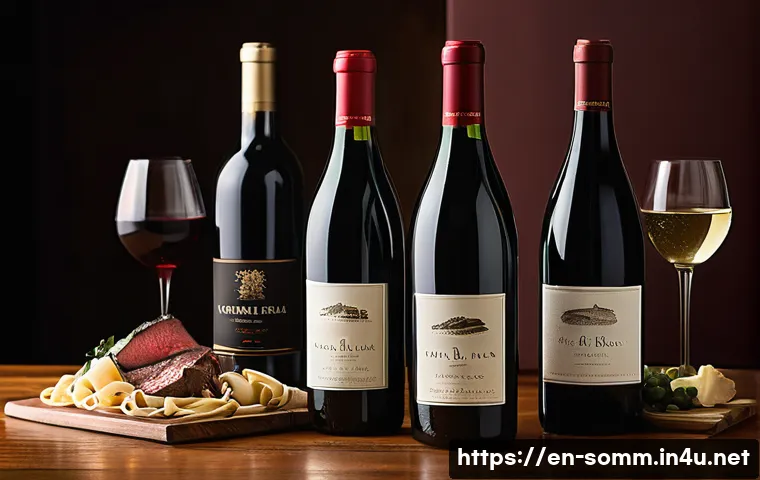
Whether you’re a casual sipper or an aspiring wine enthusiast, understanding these terms can transform your tasting experience and deepen your appreciation.
From aroma profiles to aging processes, these words unlock the stories hidden in each bottle. I’ve found that knowing this vocabulary not only boosts confidence but also makes wine conversations much more enjoyable.
Ready to elevate your wine knowledge? Let’s explore these essential sommelier terms in detail!
Unlocking the Senses: How to Really Experience Wine
Discovering Aromas Beyond the Grape
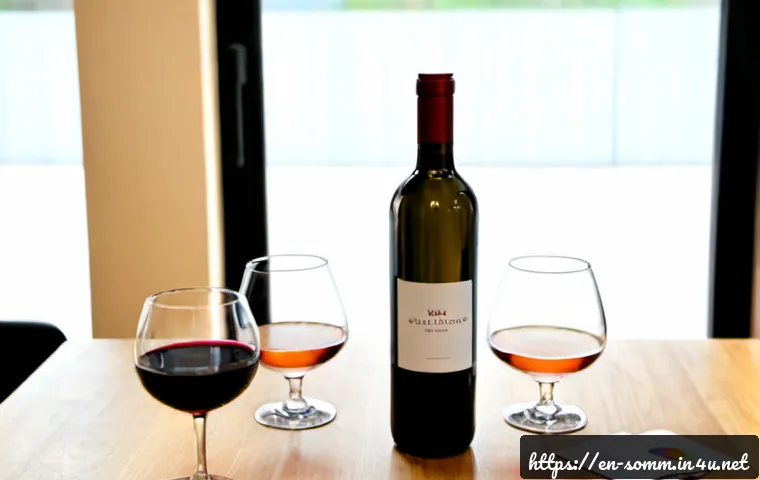
When you first bring a glass of wine to your nose, the scents can be surprisingly complex. It’s not just about smelling grape juice; wines often carry layers of aromas like fresh berries, spices, floral hints, or even earthy notes.
From my own tastings, I’ve noticed that training your nose to pick up these subtleties transforms every sip into a mini adventure. Instead of just tasting, you start to *experience* the wine’s story.
Sometimes, a wine might remind me of ripe cherries or a hint of vanilla, thanks to the oak barrels it aged in. Taking a moment to breathe in deeply before sipping can really open up these fragrant details.
Texture and Taste: What Your Palate Tells You
The feel of wine in your mouth is just as important as its flavor. When I say texture, I’m talking about how the wine coats your tongue and cheeks—whether it’s silky, velvety, or even a little rough around the edges.
This tactile sense is often overlooked but can reveal a lot about the wine’s character and quality. For example, a full-bodied red might feel lush and heavy, while a crisp white could be light and refreshing.
Noticing the balance between acidity, sweetness, and tannins helps you understand the wine’s structure and potential food pairings.
The Lingering Finish: Why It Matters
One of the coolest things I’ve learned is that the aftertaste, or finish, is a true sign of a wine’s finesse. A long, evolving finish means the flavors stay with you and keep changing even after you swallow.
I often find myself savoring this moment, letting the taste linger and reveal hidden layers like spice or minerality. Wines with a short finish might feel simple or less refined, but those with a complex finish usually indicate higher quality and more care in the winemaking process.
Paying attention to the finish adds a new dimension to your appreciation.
From Vineyard to Bottle: Understanding Wine’s Journey
The Role of Terroir in Shaping Flavors
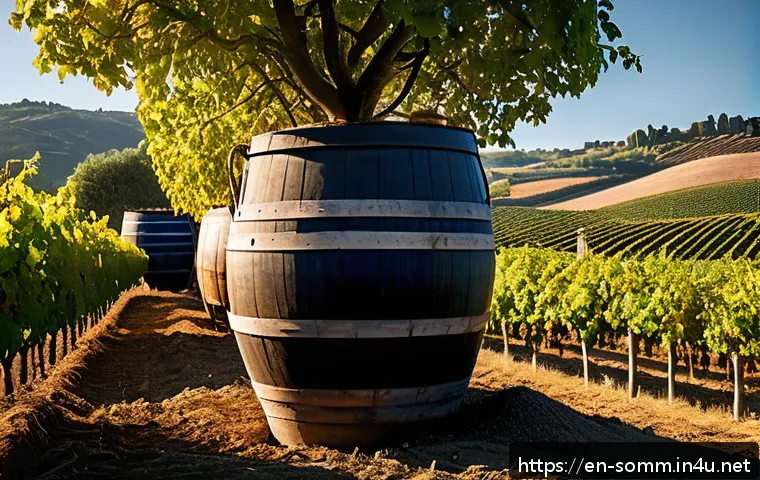
Terroir is a fancy French word that sums up everything about a vineyard’s environment—soil, climate, altitude, and even local yeast strains. It’s like the wine’s fingerprint, shaping its unique personality.
I remember tasting two Pinot Noirs from different regions and being amazed at how one was fruity and bright, while the other was earthy and smoky, all because of where the grapes grew.
Learning about terroir helps you connect the taste in your glass to the place it came from, making each bottle feel like a trip to a specific patch of earth.
How Harvest Timing Influences Taste
Harvest time can make or break a wine’s flavor profile. Grapes picked too early tend to be tart and acidic, while those left on the vine longer develop more sugar, resulting in richer, sweeter wines.
From what I’ve observed during vineyard tours, winemakers closely monitor ripeness to strike the perfect balance. The timing also affects alcohol content and overall style—early harvests might produce crisper whites, while late harvests can yield luscious dessert wines.
This delicate timing is a fascinating part of why wines from the same grape can taste so different year to year.
Aging: When Patience Pays Off
Aging wine is like letting a good story unfold slowly. Some wines are ready to drink young and fresh, but others benefit from months or even years in oak barrels or bottles before reaching their peak.
I’ve tasted aged wines that had developed rich, complex flavors like tobacco, leather, or dried fruit, which simply don’t appear in younger vintages. The aging environment—temperature, humidity, barrel type—also plays a huge role.
Understanding aging can help you decide when to open a bottle or if it’s worth cellaring for later enjoyment.
Decoding Wine’s Body and Balance
What Body Really Means in Wine
When sommeliers talk about a wine’s “body,” they’re describing how heavy or light it feels in your mouth. Think of it like the difference between skim milk and whole milk, but for wine.
Full-bodied wines often feel rich and dense, like Cabernet Sauvignon or Syrah, while light-bodied wines like Pinot Grigio are more delicate and airy. This sensation comes from factors like alcohol content, tannin levels, and residual sugar.
I’ve found that understanding body helps me match wines to different foods or moods, making each pairing more enjoyable.
Finding Harmony: The Art of Balance
Balance in wine means no single element overwhelms the others. Acidity, sweetness, tannins, alcohol, and flavor intensity all need to work together smoothly.
I recall one tasting where a wine was too tannic and rough, making it hard to enjoy. On the flip side, a well-balanced wine feels harmonious and satisfying, with each component supporting the others.
It’s like a perfectly choreographed dance on your palate. When you learn to spot balance, you start picking wines that suit your taste better and appreciate the craftsmanship behind them.
How Sweetness Shapes the Experience
Sweetness in wine isn’t just about sugary dessert wines. Even dry wines can have a hint of sweetness that softens acidity or tannins. I’ve noticed that small amounts of residual sugar can make a wine feel rounder and more approachable, especially for beginners.
Conversely, wines labeled as “off-dry” or “semi-sweet” offer a noticeable but balanced sweetness that pairs beautifully with spicy or salty foods. Recognizing sweetness levels allows you to explore a broader range of wines and find those that perfectly match your palate.
Exploring the Impact of Oak and Fermentation
How Oak Barrels Influence Flavor and Texture
Oak aging introduces distinct flavors like vanilla, toast, or coconut, and can also add a creamy texture. I remember tasting a Chardonnay aged in new French oak that had a rich buttery quality, quite different from the crisp unoaked versions I’d tried before.
The type of oak—American, French, or Hungarian—along with the barrel’s age, toast level, and time spent aging all contribute unique characteristics. Oak can also soften tannins and add complexity, making it a powerful tool for winemakers.
Understanding oak’s influence helps you appreciate the subtle craftsmanship behind each bottle.
Fermentation Styles and Their Effects
Fermentation is where grape juice turns into wine, and the method used can drastically affect flavor. For example, cold fermentation preserves fresh fruit flavors in white wines, while warm fermentation can produce richer, more robust reds.
Some winemakers use wild yeasts from the vineyard, which add unique, unpredictable notes, while others rely on cultured yeasts for consistency. I’ve experimented with home fermentation and found that even slight changes in temperature or yeast strain alter the outcome significantly.
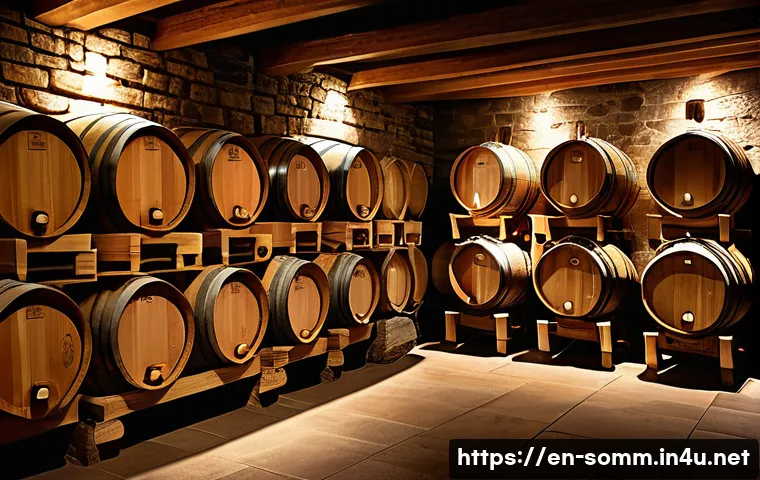
Knowing about fermentation styles deepens your understanding of why wines taste the way they do.
Malolactic Fermentation: The Softening Process
This secondary fermentation converts sharp malic acid into softer lactic acid, mellowing the wine’s acidity and often adding buttery or creamy flavors.
It’s common in many reds and some whites like Chardonnay. I first noticed the difference when comparing a malolactic Chardonnay to a crisp unoaked one—the former felt rounder and more luscious.
Winemakers can choose to encourage or block this process depending on the style they want. Recognizing malolactic fermentation’s role helps you identify what to expect from different wines and how they pair with food.
Reading Between the Lines: Wine Labels and Vintages
Deciphering Wine Label Clues
Wine labels can be a treasure trove of information, but they’re often confusing at first glance. Beyond the brand and grape variety, labels might list the vineyard, region, vintage year, and even winemaking techniques.
For instance, seeing “Estate Bottled” means the winery controls the entire process from growing grapes to bottling, which often signals quality. Terms like “Reserve” or “Gran Reserva” vary by country but usually indicate special selection or longer aging.
I’ve learned that understanding these terms helps me make smarter choices when browsing shelves or menus.
Why Vintage Year Matters
Vintage refers to the year the grapes were harvested, and it can tell you a lot about the wine’s potential. Weather conditions vary each year, affecting grape ripeness, acidity, and flavor.
Some years produce exceptional wines, while others might be less favorable. I once tasted a Bordeaux from a legendary vintage that had incredible depth and aging potential, contrasting with a more average year’s release.
Checking vintage charts or reviews can guide you toward wines that are more likely to impress, especially if you’re investing in premium bottles.
Understanding Regional Differences on Labels
The place where grapes are grown greatly influences a wine’s style and quality. Labels often highlight regions like Napa Valley, Burgundy, or Rioja, each with its own reputation and typical characteristics.
I’ve found that exploring wines by region is a fun way to discover new favorites, as each area’s climate, soil, and traditions shape the wine’s personality.
Knowing which regions excel at certain grape varieties helps when you’re looking for something specific, whether it’s a bold Zinfandel or a delicate Riesling.
Pairing Wine Like a Pro: Matching Flavors and Textures
Finding Perfect Matches with Food
Pairing wine with food is an art, but it doesn’t have to be intimidating. The key is balancing weight and intensity—light wines with light dishes, fuller wines with richer foods.
I’ve learned from experience that a crisp Sauvignon Blanc elevates fresh seafood, while a robust Syrah complements grilled meats perfectly. Acidity in wine can cut through fatty dishes, and sweetness pairs beautifully with spicy flavors.
Experimenting with pairings not only improves meals but also deepens your appreciation for both wine and cuisine.
Using Contrast and Complement to Your Advantage
Sometimes pairing means matching similar flavors, other times it’s about contrast. For example, a creamy Brie goes wonderfully with a fruity Pinot Noir (complement), while a spicy Thai dish might be tamed by a slightly sweet Riesling (contrast).
I love playing around with these ideas during dinner parties, watching how different wines change the way food tastes. This approach opens up endless possibilities and makes dining more interactive and fun.
Pairing Tips for Special Occasions
When celebrating, choosing the right wine can elevate the moment. Sparkling wines like Champagne or Prosecco add excitement to toasts, while dessert wines like Sauternes make sweet endings unforgettable.
I always recommend having a versatile red and white on hand to cover a range of tastes. Knowing a few crowd-pleasers and understanding your guests’ preferences can make your party planning easier and more enjoyable.
Quick Reference Guide to Common Wine Styles and Their Traits
| Wine Style | Typical Body | Common Flavors | Food Pairings | Typical Region |
|---|---|---|---|---|
| Chardonnay | Medium to Full | Apple, Butter, Vanilla | Chicken, Creamy Pasta | Burgundy, California |
| Pinot Noir | Light to Medium | Cherry, Raspberry, Earthy | Salmon, Duck | Burgundy, Oregon |
| Cabernet Sauvignon | Full | Blackcurrant, Cedar, Tobacco | Steak, Lamb | Napa Valley, Bordeaux |
| Sauvignon Blanc | Light to Medium | Grass, Citrus, Green Apple | Seafood, Goat Cheese | Loire Valley, New Zealand |
| Syrah/Shiraz | Full | Blackberry, Pepper, Smoke | Barbecue, Spicy Dishes | Rhône Valley, Australia |
Wrapping Up
Experiencing wine goes far beyond just drinking it—it’s about engaging your senses and understanding the story behind each bottle. By paying attention to aromas, textures, and finishes, you deepen your appreciation and enjoyment. Exploring terroir, aging, and pairing techniques enriches your wine journey even more. Remember, every sip is an invitation to discover something new and exciting.
Handy Tips to Keep in Mind
1. Always take a moment to smell your wine deeply before tasting to unlock its full aromatic profile.
2. Notice the texture and balance on your palate; it reveals much about the wine’s quality and style.
3. Learn about the vintage year and region to better predict the wine’s character and aging potential.
4. Experiment with food pairings that either complement or contrast the wine’s flavors for a richer dining experience.
5. Don’t hesitate to try different fermentation and oak aging styles—they add fascinating layers to wine’s personality.
Key Takeaways
Understanding wine is a sensory adventure that combines knowledge with personal experience. Focus on the interplay of aroma, taste, and finish to truly savor your glass. Recognize how factors like terroir, harvest timing, and aging shape the wine’s identity. Use label information and vintage insights to make informed choices. Finally, embrace pairing strategies that highlight both the wine and your meal, turning every occasion into a memorable celebration.
Frequently Asked Questions (FAQ) 📖
Q: What are some common sommelier terms I should know when tasting wine?
A: Some key sommelier terms to get comfortable with include “body,” which refers to the weight or fullness of the wine on your palate; “tannins,” the compounds that create a drying sensation, especially in reds; “finish,” which describes how long the flavors linger after swallowing; and “aroma,” which covers the scents you detect in the wine.
Understanding these basics can really enhance your tasting experience by helping you articulate what you enjoy or don’t about a particular wine.
Q: How can learning sommelier vocabulary improve my wine appreciation?
A: Knowing the right terms gives you a framework to identify and describe what you’re experiencing, turning vague impressions into clear observations. For instance, instead of just saying “I like this wine,” you might say, “I appreciate its bright acidity and subtle hints of blackberry.” This not only boosts your confidence when discussing wine with others but also deepens your connection to the wine itself because you’re engaging more actively with its characteristics.
Q: Is it necessary to memorize all these wine terms to enjoy wine?
A: Not at all! While having a good grasp of sommelier terms can enrich your experience, the most important thing is to enjoy what you’re drinking. Think of these terms as helpful tools rather than strict rules.
Over time, as you taste more wines and hear these words used naturally, you’ll pick them up effortlessly. I’ve found that casually incorporating a few key terms into conversations makes wine tasting more fun and social without feeling overwhelming.