Storing wine properly can be trickier than it seems, and many enthusiasts unknowingly make common mistakes that affect the flavor and longevity of their bottles.
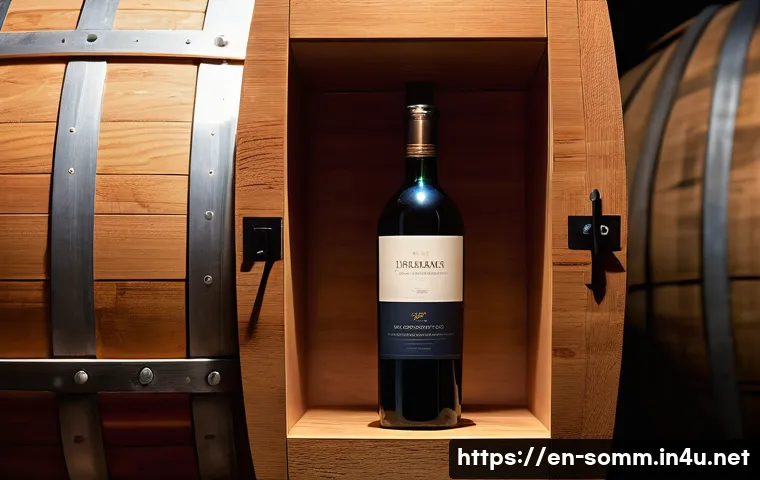
Temperature fluctuations, light exposure, and improper humidity levels often lead to premature aging or spoilage. Even something as simple as the wrong storage position can alter the delicate balance inside the bottle.
If you’ve ever opened a wine and found it disappointing, chances are it wasn’t stored under ideal conditions. Understanding these pitfalls is key to preserving your wine’s true character.
Let’s dive deeper and uncover the essential tips to keep your wine at its best!
Mastering the Art of Temperature Control for Wine Preservation
Why Consistency Matters More Than You Think
When it comes to storing wine, maintaining a steady temperature is absolutely crucial. I’ve seen firsthand how even small fluctuations—like a few degrees up or down—can wreak havoc on the aging process.
Imagine your bottle going through a roller coaster of heat and cold repeatedly; it stresses the wine’s delicate chemical balance. This leads to premature oxidation or stalling of flavor development.
From my experience, the sweet spot is generally between 50°F and 59°F (10°C to 15°C), which mimics a natural cellar environment. If your storage space swings outside this range often, your wine’s character might fade faster than you expect.
How Modern Wine Coolers Can Save Your Collection
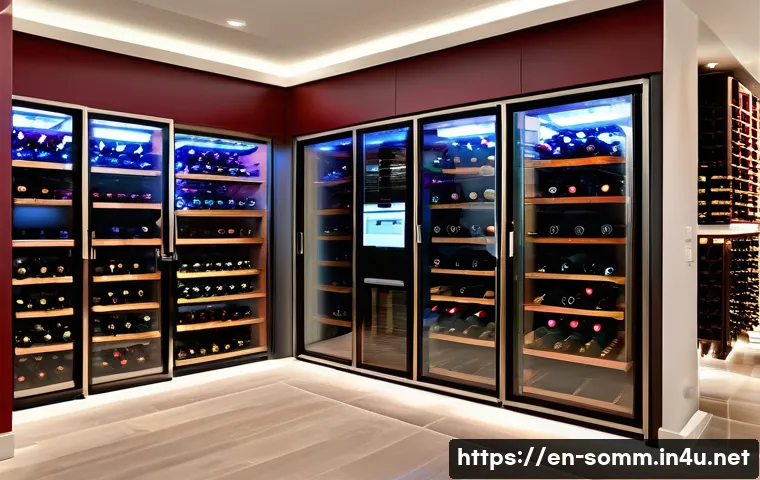
I once struggled with temperature issues until I invested in a dedicated wine cooler. These units are designed to keep a stable environment, often with zones for reds and whites.
Unlike a regular fridge, which is too cold and dry, wine coolers maintain humidity levels and avoid vibrations. The peace of mind knowing my bottles aren’t subjected to wild temperature shifts is priceless.
If you’re serious about wine, a quality cooler isn’t just a luxury—it’s a smart investment to protect your collection and your wallet.
Common Temperature Mistakes Even Seasoned Collectors Make
Even experienced wine lovers sometimes place their bottles too close to heat sources like radiators, ovens, or direct sunlight. I’ve caught myself doing this when space was tight, only to regret it when I opened a bottle that tasted flat or dull.
Another frequent error is storing wine in the kitchen fridge for the long term. While it’s fine for chilling a bottle before serving, the cold dry air and constant door opening cause damage over time.
Keeping your wine in a cool, dark, and consistent space is key to preserving its true essence.
Lighting and Its Subtle But Serious Impact on Wine Quality
The Dangers of UV and Artificial Light Exposure
It might surprise you, but light exposure—especially ultraviolet rays—can seriously degrade wine. I learned this the hard way after leaving a bottle on a windowsill during a sunny afternoon.
The wine developed a “lightstruck” aroma, a kind of skunky, unpleasant smell that’s impossible to fix. This happens because UV light breaks down the compounds in wine, altering its flavor and aroma profiles.
Ideally, wine should be stored in complete darkness or in a cabinet with UV-protected glass.
Why Ambient Lighting in Your Storage Area Matters
Even if you’re not storing wine near a window, the type of indoor lighting can affect your bottles. Incandescent bulbs produce heat and some UV light, which over time can harm wine.
LED lights are a better choice because they emit minimal heat and no UV radiation. When I revamped my cellar, switching to LED lighting made a subtle but noticeable difference in how fresh my bottles stayed over months.
If you’re setting up a wine storage space, keep lighting low and indirect to keep your wines safe.
Practical Tips to Shield Your Wine from Harmful Light
To protect your wine effectively, I recommend using opaque wine racks or covering glass doors with UV-protective films. Wrapping bottles in cloth sleeves or storing them in boxes also helps.
It’s a small effort that pays off when you avoid that ruined bottle disappointment. Remember, even brief exposure to strong light can start the degradation process, so keep your wines tucked away and out of sight as much as possible.
Humidity: The Unsung Hero of Wine Storage
Finding the Perfect Balance Between Too Dry and Too Damp
Humidity control is often overlooked, but it plays a huge role in wine preservation. When humidity drops below 60%, corks can dry out and shrink, allowing oxygen to seep in and spoil the wine.
On the other hand, too much moisture—above 80%—can encourage mold growth on labels and corks, which might not ruin the wine itself but definitely hurts the bottle’s value and your enjoyment.
I keep my cellar humidity around 70% and have noticed my corks stay moist and airtight much longer.
Using Humidifiers and Hygrometers for Precision
I started using a simple hygrometer to monitor my wine room’s humidity levels and found it incredibly helpful. When the air gets too dry, a small humidifier can bring it back into the ideal range.
This is especially important in winter months when indoor heating dries out the air. Without proper humidity control, even a well-stored bottle can lose its charm prematurely.
Keeping an eye on this subtle detail has made a big difference in the longevity of my collection.
Why Cork Health Reflects Storage Quality
The condition of your cork is like a window into your wine’s storage environment. When corks stay supple and intact, they provide an excellent seal against oxygen.
If corks become brittle or moldy, it’s a sign your humidity isn’t right, and the wine inside could be compromised. I always check corks before opening a bottle and have learned to trust this as a quick gauge of whether the wine might be past its prime.
Optimizing Bottle Position to Preserve Integrity
Horizontal vs. Vertical: What Works Best and Why
Storing wine bottles horizontally is a classic technique for a reason—it keeps the cork moist by allowing contact with the wine inside. This prevents corks from drying out and shrinking, which can lead to oxidation.
When I switched from vertical racks to horizontal ones, I noticed fewer bottles developed off-flavors over time. Vertical storage might be okay for wines with screw caps or synthetic corks, but for traditional cork-sealed bottles, horizontal is the safest bet.
How Bottle Placement Affects Sediment and Aging
I’ve also learned that the angle and stability of your bottle can influence sediment formation and aging quality. A slight tilt can encourage sediment to settle at the bottom, making decanting easier.
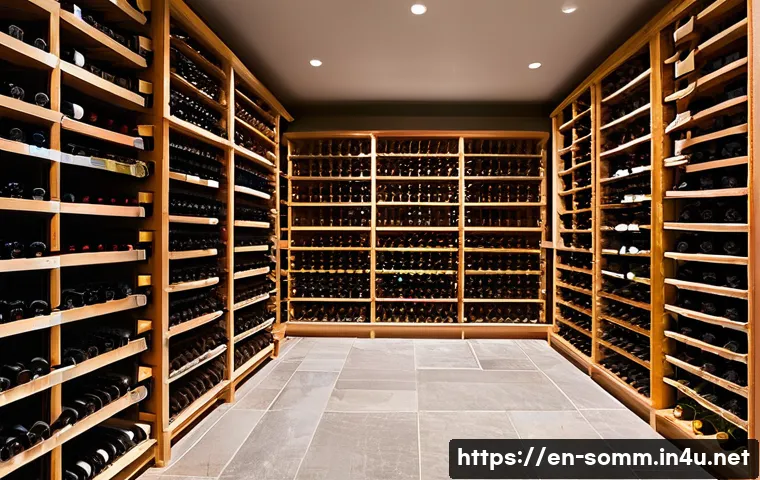
However, frequent movement or vibrations—like from a shaky shelf or nearby appliances—can disturb sediment and accelerate spoilage. I make sure my wine racks are sturdy and vibration-free, which helps wines mature gracefully without unwanted disturbances.
Label Visibility and Organization Tips for Easy Access
Aside from preservation, bottle positioning also impacts your ease of access and organization. I prefer racks that let me see labels clearly without pulling bottles out.
This simple habit saves time and reduces the risk of jostling bottles unnecessarily. Grouping wines by type, region, or vintage helps me keep track of what’s ready to drink and what needs more patience.
Thoughtful positioning is as much about convenience as it is about care.
Understanding the Role of Air Quality and Storage Environment
How Odors Can Sneak Into Wine Bottles
Believe it or not, wine bottles aren’t completely impervious to the environment around them. I once stored bottles near strong-smelling chemicals in a basement, and some of the wine picked up faint off-odors.
This happens because corks are porous and can absorb odors, which then taint the wine. It’s important to keep your wine storage area free from strong scents like paint, cleaning agents, or even pungent foods.
Controlling Air Circulation Without Drying Out the Cork
Good air circulation helps prevent mold growth but too much airflow can dry out corks. I’ve found that a well-ventilated room with moderate airflow strikes the right balance.
Stagnant air invites mold and mildew, while overly dry air risks cork shrinkage. A small fan or vent can help maintain fresh air without turning your cellar into a desert.
Finding this balance is a bit of trial and error but pays off in healthier wine bottles.
Maintaining Cleanliness to Avoid Contaminants
Dust and dirt might seem trivial, but they can attract pests or cause mold on labels and corks. Regularly cleaning your wine racks and storage space helps maintain a pristine environment.
I make it a habit to wipe down shelves and vacuum corners every few months, especially in humid climates. Cleanliness might not directly improve the wine’s flavor, but it definitely keeps your collection looking and smelling fresh.
How Storage Duration Influences Your Wine’s Evolution
Short-Term vs. Long-Term Storage Strategies
Not all wines are meant to be stored for years. In my experience, most everyday wines are best consumed within a year or two of purchase. Long-term storage, say 5 to 10 years or more, should be reserved for premium bottles designed to develop complexity over time.
Understanding your wine’s potential aging window helps avoid disappointment. For short-term storage, flexibility is key, but for long-term aging, strict temperature and humidity control become non-negotiable.
Signs Your Wine Has Reached Its Peak
I’ve learned to recognize the subtle signs that a wine is past its prime: faded color, flat aroma, or a sour taste. These cues often indicate that the wine’s delicate balance has been compromised by poor storage or simply aging beyond its optimal window.
Regularly tasting and rotating your collection helps ensure you enjoy wines at their best, rather than after they’ve declined.
Rotating Stock to Prevent Waste and Maximize Enjoyment
One practical tip I swear by is the “first in, first out” method. By consuming older bottles before newer ones, I avoid having wine sit too long and spoil.
This rotation also encourages me to revisit my collection regularly, making wine drinking a more dynamic and rewarding experience. Keeping a simple inventory can help track which bottles need attention soon.
Essential Wine Storage Guidelines at a Glance
| Factor | Ideal Condition | Common Mistake | Impact on Wine |
|---|---|---|---|
| Temperature | 50-59°F (10-15°C), stable | Fluctuations, too warm or cold | Premature aging, oxidation |
| Light | Complete darkness or UV-protected | Exposure to sunlight or bright indoor lights | “Lightstruck” off-flavors |
| Humidity | 60-70% | Too dry or too humid | Cork drying or mold growth |
| Position | Horizontal, stable, vibration-free | Vertical, unstable, frequent movement | Cork shrinkage, sediment disturbance |
| Air Quality | Odor-free, moderate ventilation | Strong odors, stagnant or dry air | Off-odors, cork damage |
In Conclusion
Mastering temperature control and other storage factors is key to preserving your wine’s flavor and longevity. Consistent care ensures every bottle ages gracefully and tastes its best when opened. By paying attention to light, humidity, and positioning, you protect your investment and enhance your enjoyment. Whether you’re a casual enthusiast or a serious collector, these practices make all the difference in the wine experience.
Useful Tips to Remember
1. Always keep your wine storage temperature stable between 50°F and 59°F to avoid flavor damage.
2. Protect bottles from UV light by using dark storage areas or UV-filtered glass to prevent spoilage.
3. Maintain humidity around 60-70% to keep corks healthy and prevent mold growth on labels.
4. Store bottles horizontally to keep corks moist and reduce the risk of oxidation.
5. Ensure your storage space is odor-free and well-ventilated to avoid off-flavors caused by external smells.
Key Takeaways for Wine Storage
Proper wine storage hinges on stable temperature, controlled humidity, and protection from light and odors. Horizontal bottle placement preserves cork integrity and aging quality, while clean, well-ventilated environments safeguard against contamination. Avoiding common mistakes like fluctuating temperatures or exposing wine to heat sources will preserve the wine’s character and extend its shelf life. Consistent monitoring and thoughtful organization are essential to enjoying every bottle at its peak.
Frequently Asked Questions (FAQ) 📖
Q: What is the ideal temperature range for storing wine to maintain its quality?
A: The best temperature to store wine is generally between 45°F and 65°F (7°C to 18°C), with around 55°F (13°C) often cited as optimal. Temperatures that fluctuate or go beyond this range can speed up aging or cause the wine to spoil.
From my own experience, even a slight rise above 70°F can make a noticeable difference in how quickly the wine loses its freshness and flavor. Keeping a consistent temperature is far more important than aiming for an exact number.
Q: How does light exposure affect wine, and what can I do to protect my bottles?
A: Light, especially direct sunlight or fluorescent lighting, can degrade wine by causing chemical reactions that spoil its flavor and aroma. This is why most quality wines come in dark bottles—to shield them from harmful rays.
In my cellar, I always make sure bottles are stored in a dark, cool place or inside a wine fridge with UV-protected glass. Even leaving a bottle on a sunny kitchen counter for a few hours can lead to disappointing results once opened.
Q: Why is the position of the wine bottle important during storage?
A: Storing wine bottles horizontally is crucial because it keeps the cork moist. A dry cork can shrink and let air seep in, which oxidizes the wine and ruins its taste.
I learned this the hard way when I stored a bottle upright for months and found it tasted flat and stale. So, unless the bottle has a screw cap or synthetic cork, laying it on its side is the safest bet to maintain freshness over time.