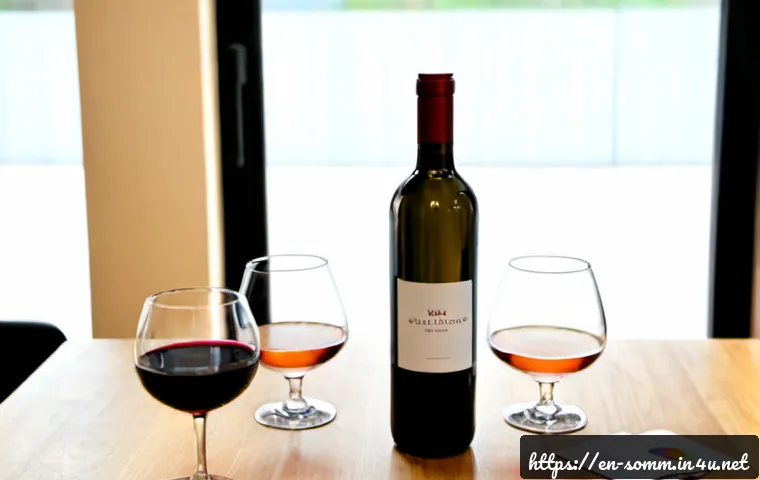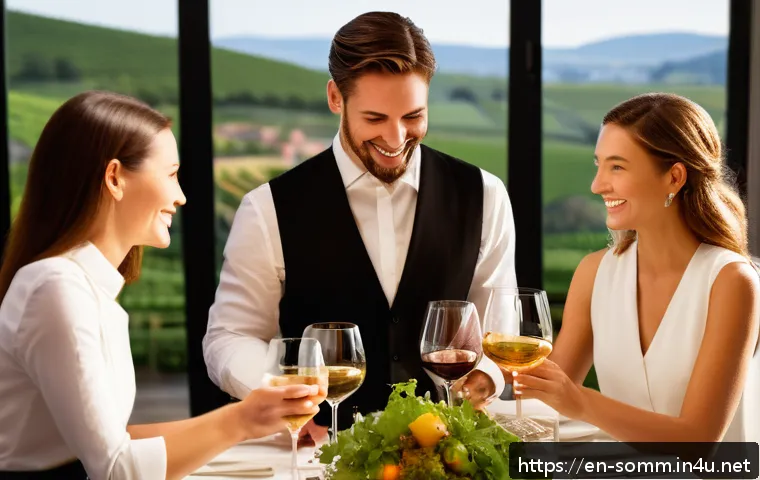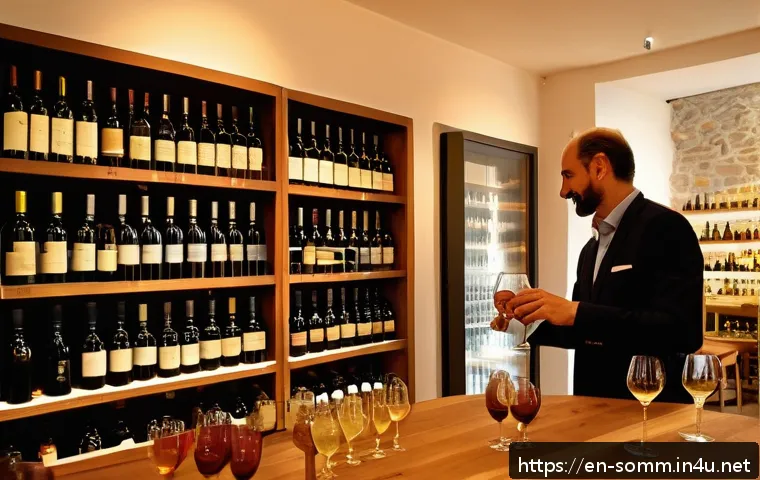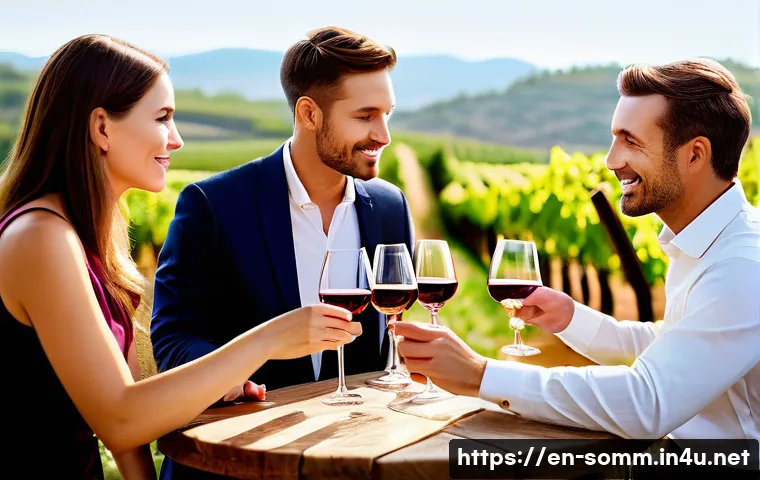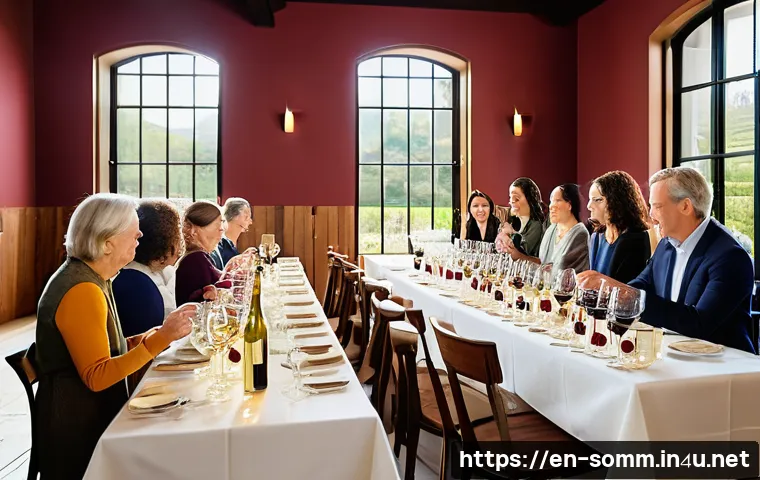
With the rising popularity of wine tasting events and social gatherings, mastering the art of wine tasting groups has become more exciting than ever. Whether you’re a curious beginner or a seasoned enthusiast, enhancing your palate alongside like-minded friends can turn every sip into a memorable experience.
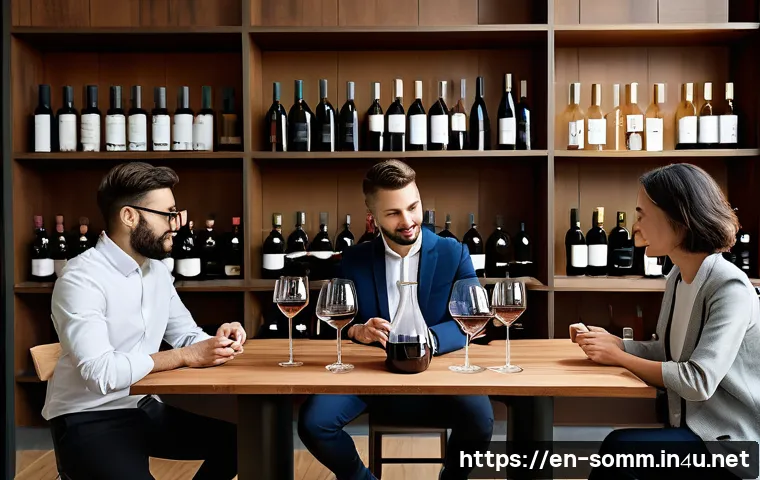
In this fast-evolving scene, knowing how to engage with different wines and people not only sharpens your tasting skills but also deepens your appreciation for the culture behind each bottle.
Today, let’s explore expert tips that will elevate both your sensory journey and social connections, making your next wine tasting session truly unforgettable.
Stick around as we dive into practical advice that’s easy to apply and full of flavor!
Building a Wine Tasting Vocabulary That Connects
Finding Your Flavor Words
When you first start tasting wines in a group, it can feel overwhelming to describe what you’re experiencing. I remember sitting with friends, swirling a glass, and struggling to put that burst of fruit or hint of spice into words.
The trick is to keep it simple but vivid. Think about everyday flavors and aromas—like fresh berries, toasted almonds, or even a whiff of vanilla from the oak barrels.
Jotting these down in a notebook or on your phone after each tasting helps build a personal glossary. Over time, this vocabulary grows naturally, making your descriptions richer and more confident when you share with others.
Listening and Learning from Others
One of the most rewarding parts of group wine tastings is hearing how others interpret the same wine. Someone might pick up on floral notes you missed, or detect a smoky undertone that completely changes your perspective.
Don’t be shy to ask questions or gently challenge their thoughts—it’s a great way to deepen your understanding. I’ve found that some of my best “aha” moments came from casual chats between sips, when someone described a wine’s finish or acidity in a way I’d never considered before.
Using Sensory Triggers to Sharpen Your Palate
Engaging all your senses can turn a simple tasting into a full-on sensory adventure. Before smelling or sipping, try to spot the wine’s color and clarity against a white background.
Then, swirl the glass gently to release aromas and breathe in deeply. When tasting, focus on the texture—is it silky, rough, or crisp? Finally, notice the finish: how long does the flavor linger?
This mindful approach not only enhances your enjoyment but also gives you more precise language to share with your group.
Creating the Perfect Atmosphere for Group Tastings
Choosing the Right Venue
The setting can make or break a wine tasting experience. A quiet, well-lit room with neutral colors is ideal because it allows everyone to focus on the wine without distractions.
I once attended a tasting in a bustling café, and while the wines were fantastic, the background noise made it tough to concentrate on the subtle notes.
If you’re hosting, try to find a space that feels inviting yet calm, with enough room for everyone to move around comfortably and discuss.
Setting Up Tasting Stations
Organizing wines by type, region, or grape variety can help guide the group through the tasting journey. Label each bottle clearly and consider providing tasting sheets where participants can jot down their impressions.
I’ve found that this structure encourages more thoughtful tasting and sparks lively conversations. Plus, it’s fun to compare notes afterward and see how perceptions differ within the group.
Incorporating Food Pairings
Pairing wines with small bites enhances the overall experience and brings out new dimensions in both the wine and the food. For example, a creamy brie with a buttery Chardonnay or a sharp cheddar alongside a bold Cabernet can create magic on the palate.
When hosting, try to offer a variety of snacks that complement the wines you’re exploring. Not only does this keep everyone energized, but it also turns the tasting into a full sensory feast.
Mastering the Social Dance of Wine Tasting Groups
Balancing Conversation and Focus
Wine tastings are social events, but it’s important to strike a balance between chatting and concentrating on the wine. I often find myself drifting into lively discussions about travel or weekend plans, only to realize I’ve missed some key tasting notes.
A good rule of thumb is to dedicate the first few minutes after pouring to silent tasting and note-taking, then open up for conversation. This approach keeps the experience both enjoyable and educational.
Encouraging Inclusivity and Respect
Every wine lover brings a unique perspective, whether they’re a newbie or a seasoned sommelier. Creating a welcoming atmosphere where everyone feels comfortable sharing their thoughts is crucial.
I’ve seen groups where newcomers hesitate to speak up, worried about sounding inexperienced. Gentle encouragement and positive feedback can break down these barriers and make the tasting richer for everyone involved.
Handling Disagreements Gracefully
It’s normal for people to have different opinions about a wine’s quality or flavor profile. Instead of turning these moments into debates, use them as opportunities to learn.
Phrases like “That’s an interesting take; I hadn’t noticed that” or “I can see where you’re coming from” help keep the mood friendly and open. Remember, wine tasting is subjective, and the variety of viewpoints only adds to the fun.
Enhancing Your Palate with Practical Techniques
Regular Practice Beyond Group Events
While group tastings are great, improving your palate requires consistent practice on your own as well. Try tasting one wine per week, focusing on identifying specific characteristics each time.
This habit sharpens your sensory memory and makes group sessions more rewarding. I personally keep a tasting journal where I record my thoughts, which has been invaluable for tracking my progress.
Experimenting with Different Wine Styles
Don’t limit yourself to just reds or whites you already like. Exploring unfamiliar varieties—like a crisp Grüner Veltliner or a spicy Zinfandel—broadens your palate and keeps tastings exciting.
I once discovered a new favorite after reluctantly trying a dry rosé at a friend’s party. Being open-minded can lead to unexpected pleasures and deeper appreciation.
Utilizing Aroma Kits and Flavor Wheels
Tools like aroma kits and flavor wheels are fantastic for training your nose and tongue. They break down complex scents into recognizable components, making it easier to describe what you’re smelling.
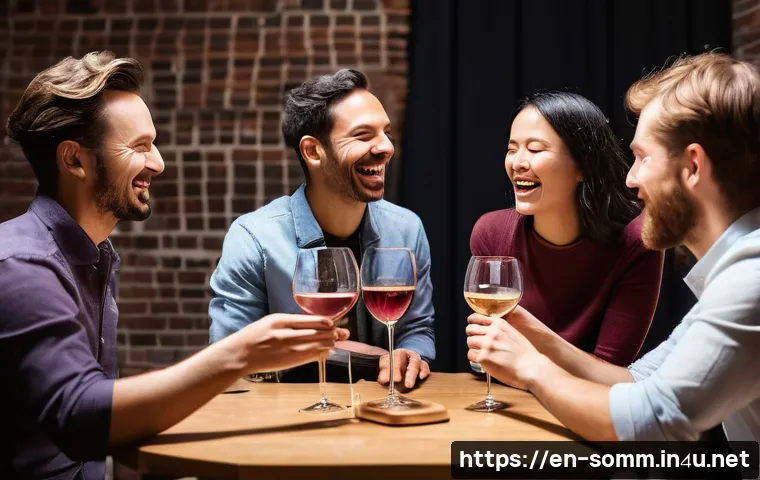
When I first started using a flavor wheel, I was amazed at how quickly I could identify subtle notes that previously escaped me. Sharing these tools with your group can boost everyone’s confidence and enjoyment.
Organizing Wine Tasting Events That Impress
Planning a Themed Tasting
Themes add excitement and focus to your tasting events. Whether it’s “Old World vs. New World,” “Single Varietals,” or “Wines Under $20,” a theme gives participants a clear direction and something to anticipate.
I recall hosting a “Summer Rosé” tasting that sparked vibrant discussions about weather’s impact on grape flavors, making the event both fun and informative.
Inviting Expert Guests
Bringing in a sommelier or winemaker can elevate your tasting to a new level. Their insights provide depth and context that enrich the group’s experience.
Even a casual Q&A session with an expert can inspire curiosity and learning. From personal experience, having a knowledgeable guest present turns the event into a memorable occasion that people talk about long afterward.
Incorporating Interactive Elements
Games, blind tastings, and pairing challenges keep the energy high and encourage participation. For example, guessing the grape variety or region can spark friendly competition and laughter.
I once organized a blind tasting where we all tried to identify the wine’s origin—it was hilarious and surprisingly educational, as it forced us to rely purely on our senses.
Understanding Wine Labels to Boost Confidence
Decoding Common Label Terms
Wine labels can be intimidating with their foreign languages and technical jargon. Learning what terms like “Reserve,” “Estate Bottled,” or “Appellation d’Origine Contrôlée” mean can help you make informed choices.
I recommend starting with the basics: look for vintage year, region, and grape variety. Over time, recognizing these details makes selecting wines for your group tastings much less daunting.
Recognizing Quality Indicators
Certain label features hint at a wine’s quality or style. For instance, a “Grand Cru” or “DOCG” designation usually signals higher quality in European wines.
Similarly, smaller vineyards often emphasize “single vineyard” on their labels, which can indicate more distinctive character. Understanding these signals allows you to explore wines with confidence and impress your tasting group with your knowledge.
Using Labels to Spark Discussion
Labels can be great conversation starters. Sharing the story behind a winery or the meaning of a particular term encourages learning and connection. I often find myself diving into the history or winemaking philosophy when presenting a bottle to friends, which adds an extra layer of enjoyment to the tasting.
Essential Wine Tasting Etiquette for Groups
Pouring and Sharing Responsibly
Respecting everyone’s preferences and pace is key. Pour moderate amounts so people can taste without feeling pressured to finish a full glass. I’ve noticed that when hosts are mindful of this, the atmosphere feels relaxed, and conversations flow more naturally.
It’s also polite to offer water and palate cleansers like plain bread or crackers.
Handling Spitting and Tasting Tools
While spitting might feel odd at first, it’s a common practice that lets you taste many wines without overindulging. Don’t worry about what others might think—most wine groups embrace it as a sign of seriousness.
Also, make sure there are enough spit buckets or glasses available to keep things hygienic and comfortable for all participants.
Respecting Personal Boundaries and Preferences
Not everyone drinks alcohol or enjoys the same styles of wine. Being considerate of these differences fosters a welcoming environment. If someone declines a pour or prefers a lighter wine, honor their choice without pressure.
This respect makes the group more inclusive and enjoyable for everyone.
| Tip Category | Key Actions | Benefits |
|---|---|---|
| Vocabulary Building | Keep a tasting journal, learn common aroma terms, listen actively | Improves confidence and communication during tastings |
| Atmosphere Setup | Choose quiet venue, organize tasting stations, add food pairings | Enhances focus and sensory experience |
| Social Skills | Balance talk and tasting, encourage inclusivity, manage disagreements | Creates a friendly and engaging group dynamic |
| Palate Training | Practice regularly, try new wines, use aroma kits | Develops a refined and versatile palate |
| Event Planning | Set themes, invite experts, add interactive games | Increases fun and educational value |
| Label Reading | Learn key terms, identify quality markers, share stories | Boosts buying confidence and discussion depth |
| Etiquette | Pour moderately, use spit buckets, respect preferences | Maintains comfort and respect in the group |
Closing Thoughts
Building a wine tasting vocabulary and mastering group dynamics can truly transform your experience. With practice, patience, and an open mind, you’ll find yourself enjoying wines more deeply and sharing insights confidently. Remember, every tasting is a journey that brings people together through flavor and conversation. So keep exploring and savoring those moments with friends.
Useful Tips to Remember
1. Keep a tasting journal to track your flavor discoveries and build your personal vocabulary.
2. Create a calm, distraction-free environment to help everyone focus on the wines.
3. Balance socializing with attentive tasting to get the most out of each session.
4. Try new wine styles regularly to expand your palate and keep things interesting.
5. Use aroma kits and flavor wheels to sharpen your sensory skills and confidence.
Key Takeaways
Consistent practice and an inviting atmosphere are essential for enhancing your wine tasting skills. Embrace diverse opinions with respect to enrich your understanding, and don’t hesitate to use tools and themed events to make tastings engaging. Knowing how to read labels and observe etiquette will boost your confidence and make group experiences enjoyable for everyone involved.
Frequently Asked Questions (FAQ) 📖
Q: How can I improve my wine tasting skills when joining a wine tasting group?
A: The best way to improve is by actively engaging all your senses—look at the wine’s color and clarity, swirl it to release aromas, then take small sips to identify flavors and textures.
When you’re in a group, listen to others’ descriptions and share your own impressions. Over time, this back-and-forth sharpens your palate and helps you recognize subtle notes you might have missed alone.
Also, don’t hesitate to ask questions; most groups welcome curiosity and it deepens your understanding.
Q: What should I bring or prepare before attending a wine tasting event with a group?
A: It’s a good idea to bring a notebook or use a tasting app to jot down your thoughts—this helps track what you liked or disliked. Dress comfortably but smartly, since wine tastings often blend casual and elegant vibes.
If it’s a potluck or social gathering, check if you should bring a bottle to share. And most importantly, arrive with an open mind and ready to enjoy the experience, not just the wine but the stories and people behind it.
Q: How do I handle social interactions at a wine tasting without feeling overwhelmed?
A: Wine tastings can be both social and sensory, so pacing yourself is key. Start conversations with simple questions like “What do you think of this vintage?” or “Have you tried wines from this region before?” People generally love sharing their knowledge, which eases social nerves.
If the crowd feels too large or intense, step aside for a moment to focus on your tasting notes or just enjoy the wine quietly. Remember, it’s about your personal enjoyment as much as the social aspect.