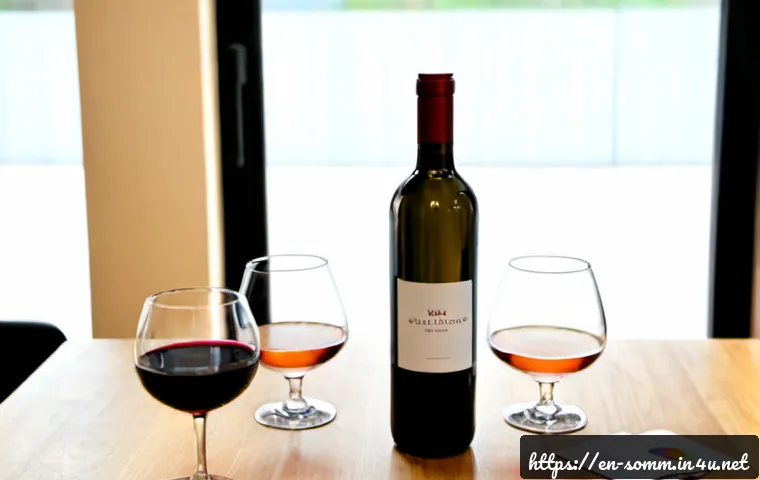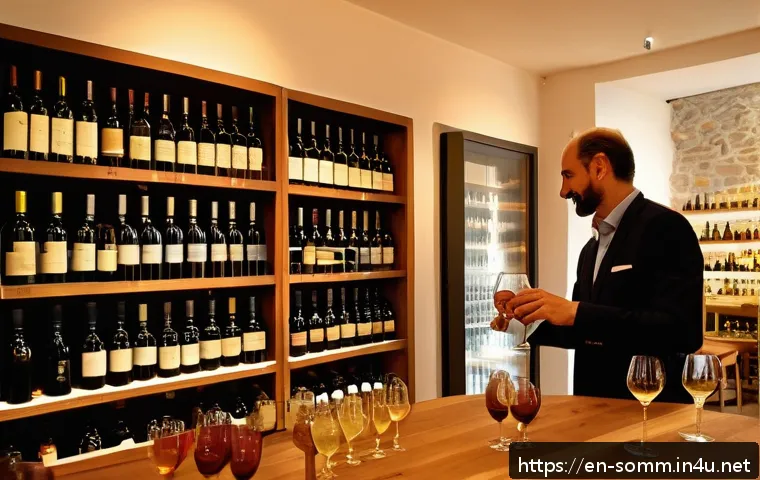
Storing wine properly is more than just tucking bottles away in a dark corner—it’s about preserving flavors, aromas, and the overall experience. Temperature plays a crucial role in maintaining the quality of your wine, whether you’re aging a vintage or simply enjoying a bottle tonight.
Too warm or too cold, and you risk spoiling what could have been a perfect sip. Finding the right balance can feel tricky, but with a few simple guidelines, you can keep your wine tasting just right every time.
Let’s dive into the essentials of wine storage and temperature control to make sure your collection stays at its best! I’ll walk you through the details so you can master this with confidence.
Mastering the Art of Ideal Wine Environment
Understanding Temperature’s Impact on Wine
The delicate balance of wine’s flavor and aroma depends heavily on the temperature at which it is stored. When wine sits in an environment that is too warm, it can age prematurely, causing the fruit flavors to fade and the acidity to drop, leaving the wine flat and dull.
On the other hand, if it’s too cold, the aging process slows down excessively, and some wines might develop undesirable sediment or lose their aromatic complexity.
From my experience, the magic temperature range for most wines lies between 50°F and 59°F (10°C to 15°C). This range keeps the wine stable, allowing it to mature gracefully while preserving its vibrant character.
Humidity’s Role in Preserving Cork Integrity
Humidity might not get as much attention as temperature, but it’s equally vital in maintaining wine quality. Corks are natural and porous, and if the storage environment is too dry, corks can shrink and let air seep into the bottle.
This oxidation can ruin your wine in no time. Conversely, excessive humidity encourages mold growth, which can damage labels and corks. Ideally, you want a humidity level between 60% and 70%.
When I first started collecting wine, I didn’t think much about humidity, but after noticing a few corks dry out, I invested in a humidifier to keep things balanced, which made a noticeable difference.
Consistent Conditions Over Time
Wine is sensitive not just to extreme temperatures but also to fluctuations. Constantly changing temperatures cause the liquid to expand and contract, stressing the cork and risking leaks or oxidation.
That’s why avoiding places like kitchens or garages, where temperature swings are common, is crucial. Personally, I prefer a dedicated wine fridge or a cellar with climate control to maintain steady conditions.
This consistency really helps in preserving the wine’s intended profile over months or even years.
Choosing the Right Storage Space for Your Collection
Why Basements Often Make Great Wine Havens
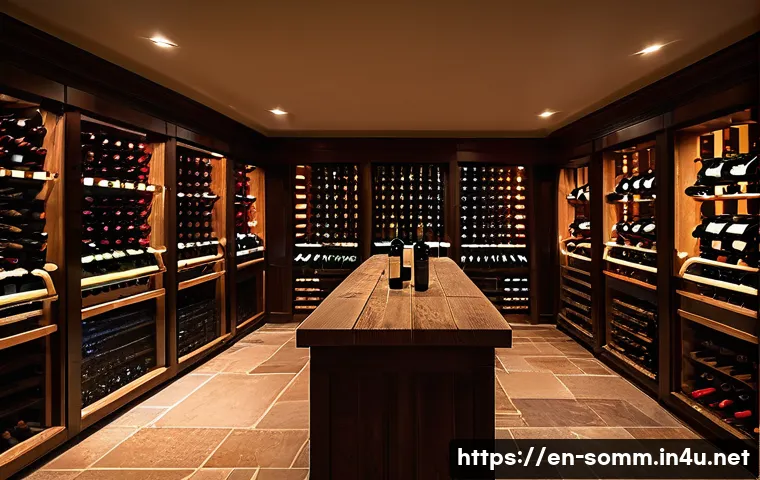
Basements typically offer a naturally cooler and darker environment, which is ideal for wine. Their underground location helps keep temperature and humidity levels more stable compared to above-ground rooms.
I’ve found that a finished basement with minimal sunlight and good ventilation can serve as a fantastic wine storage area without any extra equipment.
However, it’s important to monitor the space regularly because basements can sometimes get too humid or damp, which requires managing moisture levels with dehumidifiers or ventilation.
Evaluating Wine Refrigerators vs. Cellars
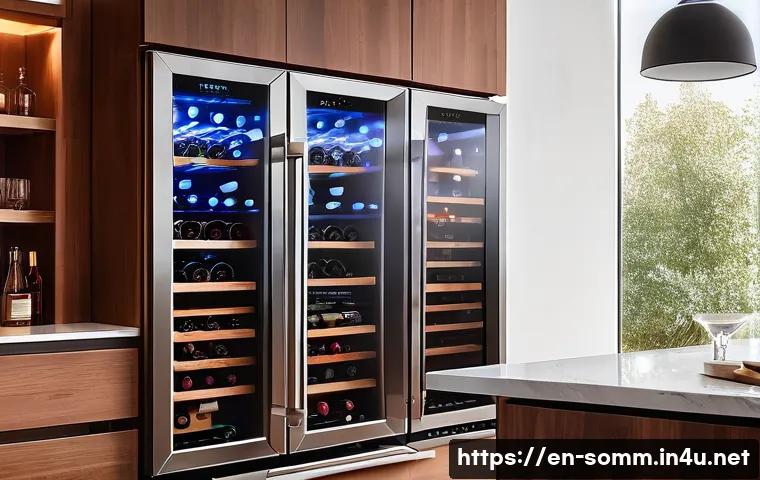
Wine refrigerators are a popular choice for casual collectors or those with limited space. They offer precise temperature control and keep your bottles ready to drink at the perfect chill.
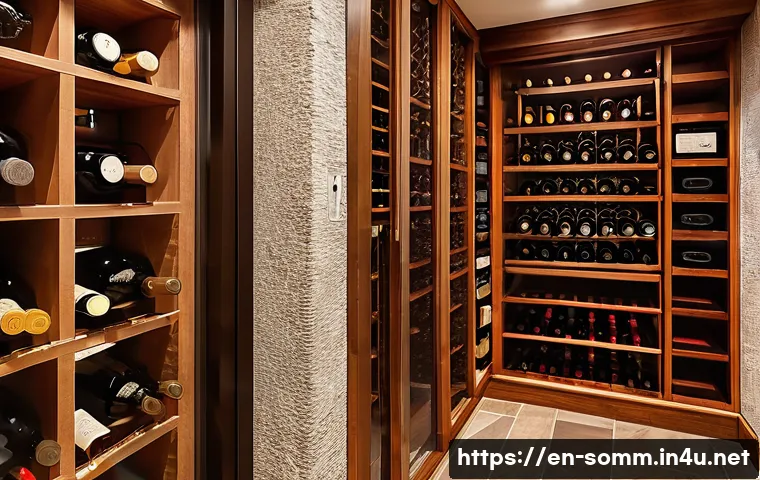
I started with a small wine fridge and loved how convenient it was for everyday use. But as my collection grew, I realized that a wine cellar or a larger climate-controlled unit is better for long-term aging because it allows for better humidity regulation and less vibration, which can disturb sediment and affect aging.
Common Storage Mistakes to Avoid
Many wine lovers unknowingly make storage errors that can damage their bottles. Storing wine upright for long periods can dry out the cork, so it’s best to keep bottles on their side.
Also, avoid places with strong odors since wine can “breathe” through the cork and absorb unwanted smells. Lastly, frequent shaking or vibrations—like those from a washer/dryer nearby—should be avoided because they can accelerate chemical reactions inside the bottle.
From personal experience, I once kept a bottle near a noisy appliance and noticed the wine matured unevenly.
Temperature Guidelines for Different Wine Types
Red Wines: Finding the Warm Spot
Red wines generally benefit from slightly warmer storage temperatures than whites, but still within a controlled range. A typical recommendation is around 55°F (13°C), which helps maintain the complexity of tannins and fruit flavors.
For heavier reds like Cabernet Sauvignon or Syrah, slightly higher temperatures within the ideal range can enhance their bold profiles during aging. I’ve noticed that when stored too cold, reds tend to lose their richness and can taste muted.
White Wines: The Chill Factor
Whites are more sensitive to warmth and often require cooler storage, closer to 50°F (10°C). This helps preserve their crisp acidity and fresh aromas.
Lighter whites like Sauvignon Blanc or Pinot Grigio especially benefit from cooler temperatures, while richer whites like Chardonnay can tolerate slightly warmer conditions but still prefer a cool environment.
In my experience, keeping whites too warm causes them to taste flat and dull quite quickly.
Sparkling Wines and Rosés: Special Considerations
Sparkling wines need to be stored cold to maintain their bubbles and refreshing taste, typically around 45°F to 50°F (7°C to 10°C). Rosés fall somewhere between reds and whites, thriving at around 50°F to 55°F (10°C to 13°C).
Since these wines are often enjoyed young, consistent cool storage helps maintain their brightness and prevents premature aging. I’ve found that keeping sparkling wines too warm results in flat fizz and loss of flavor, which is disappointing when you’re ready to celebrate.
| Wine Type | Ideal Storage Temperature (°F) | Ideal Storage Temperature (°C) |
|---|---|---|
| Red Wines | 55 | 13 |
| White Wines | 50 | 10 |
| Sparkling Wines | 45-50 | 7-10 |
| Rosé Wines | 50-55 | 10-13 |
How Light and Vibration Affect Wine Quality
The Harmful Effects of UV Light Exposure
Light is one of those sneaky factors that can seriously damage wine over time. UV rays from sunlight or fluorescent bulbs can cause chemical reactions in the wine, leading to “lightstrike,” a fault that imparts unpleasant aromas reminiscent of wet cardboard or cooked cabbage.
When I first started collecting, I stored a few bottles on a windowsill, and I noticed they lost their freshness much faster than those kept in the dark.
That experience taught me to always choose storage spots with minimal light exposure.
Minimizing Vibrations for Better Aging
Vibrations can disrupt the delicate aging process by constantly shaking the wine and stirring up sediment. This can result in a less smooth texture and uneven flavor development.
While not all vibrations are noticeable, even subtle ones from nearby appliances or foot traffic can impact wine quality. I found that placing wine racks away from washing machines or heavy foot traffic zones greatly improved the overall aging results in my collection.
Practical Tips for Controlling Light and Movement
To protect your wine, opt for storage units with solid doors or UV-filtered glass if it must be visible. Keep bottles in low-traffic areas or use padded racks to reduce vibrations.
In my cellar, I added rubber matting under racks to dampen any minor tremors, which gave me peace of mind knowing my wines were resting undisturbed. Simple changes like these really add up over time and help maintain the integrity of your prized bottles.
Recognizing When Your Wine Storage Needs an Upgrade
Signs Your Wine Environment Isn’t Cutting It
If you notice your wines are losing their vibrancy prematurely, developing off smells, or the corks appear dried or moldy, it’s a red flag that your storage conditions need improvement.
Temperature fluctuations, improper humidity, or excessive light exposure are often the culprits. I learned this firsthand when a batch of wines from my early collection showed signs of oxidation and loss of flavor, prompting me to invest in a better climate-controlled setup.
Investing in Technology for Peace of Mind
Modern wine storage options range from smart wine fridges with adjustable zones to full-scale cellar cooling systems. These tools help maintain precise control over temperature and humidity, and some even offer app monitoring for remote management.
After upgrading to a smart cellar, I felt much more confident that my investment was protected, especially during seasonal changes or power outages.
Balancing Cost with Long-Term Benefits
While some wine storage solutions can seem pricey upfront, they often pay off by preserving the value and enjoyment of your collection. When I weighed the cost of replacing spoiled bottles against investing in a quality wine fridge, the choice was clear.
Whether you’re a casual drinker or a serious collector, protecting your wine with proper storage conditions is a worthwhile investment that enhances your overall wine experience.
In Conclusion
Creating the perfect environment for wine storage is both an art and a science. By carefully controlling temperature, humidity, light, and vibration, you can ensure your wines age gracefully and retain their unique character. Whether you’re a casual enthusiast or a serious collector, investing in proper storage will elevate your wine experience and protect your collection’s value over time.
Useful Tips to Remember
1. Always store wine bottles on their side to keep the cork moist and airtight, preventing oxidation.
2. Maintain a stable temperature between 50°F and 59°F (10°C to 15°C) for most wines to age properly without premature spoilage.
3. Keep humidity levels between 60% and 70% to preserve cork integrity and avoid mold or dryness.
4. Protect your wine from direct sunlight and UV exposure to prevent “lightstrike,” which damages flavor and aroma.
5. Minimize vibrations by placing wine racks away from appliances or high-traffic areas to support smooth aging.
Key Takeaways for Optimal Wine Storage
Ensuring consistent temperature and humidity control is essential to preserving wine quality and longevity. Avoid exposing bottles to light and vibrations, as these factors can deteriorate flavor and texture. Selecting an appropriate storage space—whether a wine fridge, cellar, or basement—should be based on your collection size and aging goals. Finally, investing in proper storage technology not only safeguards your wines but also enhances your overall enjoyment and confidence as a wine lover.
Frequently Asked Questions (FAQ) 📖
Q: What is the ideal temperature range for storing wine to preserve its quality?
A: The sweet spot for storing most wines is between 45°F and 65°F (7°C to 18°C), with around 55°F (13°C) often cited as perfect for long-term aging. Red wines generally prefer slightly warmer temps within this range, while whites and sparkling wines do better on the cooler side.
Keeping your wine within this band helps slow down aging and preserves those delicate flavors and aromas. I’ve found that even a small temperature swing outside this range can dull the wine’s character or cause premature aging, so consistency really matters.
Q: Can storing wine too cold or too warm damage it?
A: Absolutely. If wine is stored too warm—think above 70°F (21°C)—it can age too quickly, leading to flat flavors and loss of freshness. On the flip side, storing wine too cold, especially below 45°F (7°C), can slow down maturation to the point where the wine might never fully develop, and in some cases, the cork can shrink, allowing unwanted oxygen in.
From my experience, wines kept in fluctuating temperatures suffer the most, as the expansion and contraction can let air seep in, spoiling the bottle.
So, aim for stable, moderate temps to keep your wine tasting its best.
Q: How important is humidity and light control when storing wine?
A: Super important! Proper humidity, ideally around 70%, keeps corks from drying out and shrinking, which protects your wine from oxidation. Too dry, and the cork dries; too humid, and you risk mold growth.
Light, especially direct sunlight or strong artificial light, can cause “lightstruck” flavors that ruin the wine’s taste. I always recommend storing wine in a dark place or a wine fridge with UV-protected glass.
In my own setup, controlling both humidity and light has made a noticeable difference in how long bottles stay fresh and enjoyable.