Pairing the perfect wine with your meal can transform an ordinary dinner into an unforgettable experience. Whether you’re hosting a casual get-together or a formal celebration, knowing how to match flavors enhances both the food and the wine.

From balancing acidity to complementing textures, the art of wine pairing opens up a world of delicious possibilities. Even for beginners, a few simple guidelines can make a big difference.
Ready to elevate your dining game? Let’s dive into the details and get it right!
Understanding Flavor Profiles to Enhance Your Pairing
How Acidity Influences Wine and Food Harmony
Acidity is a cornerstone in wine pairing because it acts like a balancing agent that lifts both the food and the wine. When a dish has a high acidity level—think citrusy dressings, tomato sauces, or vinaigrettes—you want a wine that can match or complement that brightness.
For example, a crisp Sauvignon Blanc with its zesty acidity can cut through the tanginess of a lemon-based chicken dish, making each bite and sip feel fresher.
On the other hand, pairing a low-acid wine with a high-acid meal can leave the wine tasting flat or dull, which diminishes the overall experience. From my personal taste tests, wines with higher acidity also help cleanse the palate after fatty or rich dishes, preventing that heavy, lingering feel.
So, always consider acidity as your secret weapon when aiming for a balanced and lively meal.
Balancing Sweetness and Savory Elements
Sweetness in wine often surprises people, especially when paired with savory dishes. Sweet wines aren’t just for desserts; they can add an intriguing contrast to spicy or salty foods.
For instance, I once paired a slightly sweet Riesling with spicy Thai food, and the sweetness tempered the heat beautifully without overpowering the complex spices.
This interplay works because sweetness can cool down heat and soften saltiness, creating a harmonious dance on your palate. On the flip side, a bone-dry wine might accentuate the spiciness too much, making the meal less enjoyable.
When experimenting, start with semi-sweet wines for dishes that have a kick or a salty edge, and adjust according to your taste preferences.
Texture Matters: Matching Body and Mouthfeel
The texture of both your food and wine plays a subtle yet powerful role in pairing success. Think of the wine’s body—whether it’s light, medium, or full-bodied—as its weight and texture on your tongue.
A light-bodied wine like Pinot Grigio pairs beautifully with delicate dishes such as lightly seasoned seafood because neither overwhelms the other. Conversely, a rich, creamy dish like lobster bisque demands a fuller-bodied wine, such as Chardonnay, that can stand up to the luxurious texture.
From my experience hosting dinners, mismatched textures can create a jarring experience where the wine feels too thin or the food too heavy. Striking a balance in mouthfeel creates a seamless transition from bite to sip, elevating every moment.
Unlocking Classic Pairing Rules and When to Break Them
Why Red Wine Often Goes with Red Meat
The classic wisdom of pairing red wine with red meat isn’t just tradition; it’s rooted in chemistry and flavor compatibility. Tannins in red wine bind with proteins and fats found in beef or lamb, softening the wine’s sometimes aggressive edge and enhancing the meat’s flavor.
I remember enjoying a robust Cabernet Sauvignon with a grilled steak, where the wine’s tannins seemed to “cleanse” the richness of the meat after every bite.
This interaction makes the pairings feel natural and deeply satisfying. However, it’s important to consider the cut and seasoning—lighter cuts or spiced meats might pair better with lighter reds or even rosé.
When White Wine Surprises with Heavier Dishes
While red wine is a go-to for heavy dishes, white wines can surprise you by matching beautifully with rich fare. A buttery Chardonnay, for example, can complement creamy sauces or roasted chicken with herbs in a way that red wines sometimes can’t.
I once paired a white Burgundy with a truffle risotto, and the wine’s subtle oak and buttery notes echoed the dish’s richness, creating a luxurious experience.
This approach challenges the “red for heavy, white for light” rule but opens up exciting possibilities. The key is to match the wine’s intensity and texture with the dish’s richness, no matter the color.
Breaking the Rules: Personal Taste Comes First
At the end of the day, pairing wine and food isn’t about rigid rules but about enjoyment. I’ve seen countless occasions where “wrong” pairings worked perfectly because personal preferences took center stage.
If you love a bold red with your salmon or a sparkling wine with spicy tacos, go for it. Experimentation is part of the fun, and your palate is the ultimate guide.
Trusting your own tastes and being open to surprises often leads to the most memorable meals.
Matching Wine Styles to Regional Cuisines
Italian Pairings: Embracing Tradition and Regionality
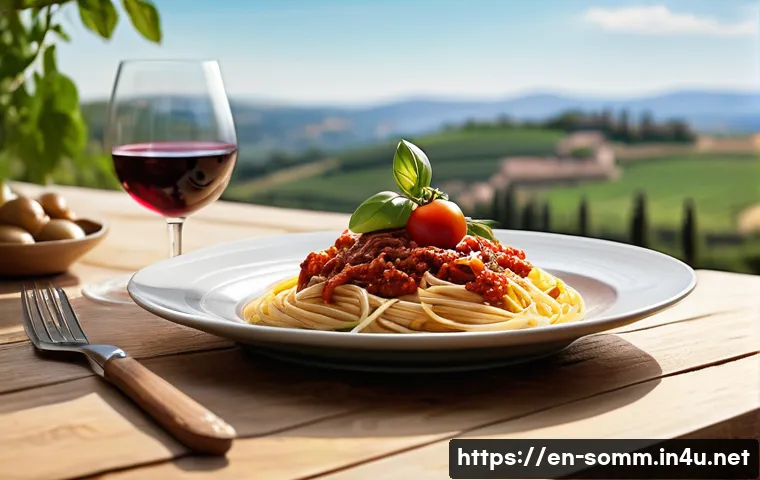
Italian cuisine offers a wonderful opportunity to explore wine pairings because many dishes were developed alongside local wines. For example, a Chianti Classico’s vibrant acidity and cherry notes shine when paired with tomato-based pasta dishes like spaghetti Bolognese.
During a trip to Tuscany, I noticed how locals naturally pair their meals with wines from nearby vineyards, creating a seamless harmony that elevates the food.
Lighter whites such as Pinot Grigio complement seafood dishes from coastal regions like Veneto, while Barolo’s tannic structure balances hearty Piedmontese stews.
Matching the wine to the region’s culinary style often yields the most authentic and satisfying pairings.
Asian Flavors and Their Unique Pairing Challenges
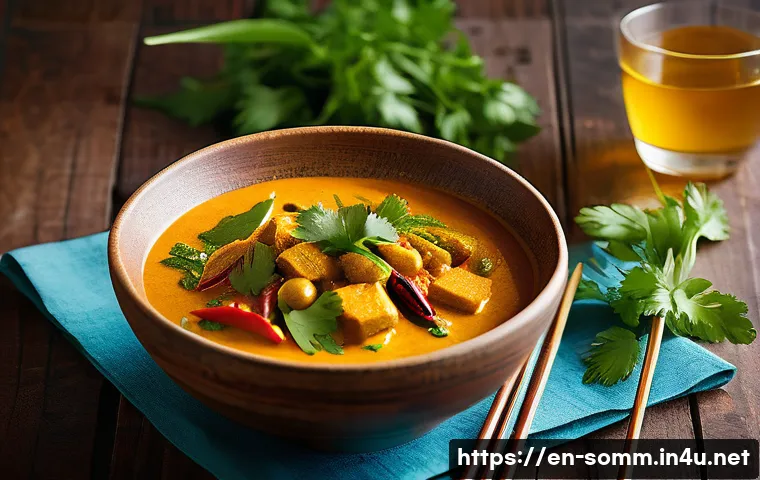
Asian cuisines often feature bold spices, umami, and sweetness, which can complicate wine pairing. I’ve found that aromatic white wines like Gewürztraminer or off-dry Rieslings work wonders with spicy dishes from Thailand or India because their sweetness and floral notes soften heat and complement complex flavors.
For sushi, a crisp, clean sake or a dry sparkling wine often outperforms heavier reds. The variety in textures and flavors across Asian dishes means flexible pairing strategies are key.
Don’t be afraid to try sparkling or rosé wines as well, which offer refreshing contrasts to richly spiced meals.
French Classics and Their Wine Counterparts
French cuisine, with its rich sauces and diverse ingredients, often demands wines with both finesse and depth. Burgundy’s Pinot Noir pairs beautifully with coq au vin, where the wine’s earthiness mirrors the dish’s mushrooms and slow-cooked flavors.
Meanwhile, a Sancerre or Chablis pairs nicely with lighter dishes such as goat cheese salads or seafood. From hosting French-themed dinners, I’ve learned that matching the wine’s elegance with the dish’s complexity is crucial.
French wines are versatile but shine brightest when the pairing highlights regional or stylistic connections.
Practical Tips for Building Your Own Wine Pairing Menu
Start Simple: Match by Color and Intensity
If you’re new to wine pairing, a straightforward approach is to match the color and intensity of the wine with your meal. Light dishes like grilled chicken or salads pair well with white or rosé wines, while richer, bolder dishes call for red wines.
I often recommend this rule to friends hosting dinners because it reduces guesswork and usually delivers satisfying results. As you become more comfortable, you can explore beyond color, focusing on flavor profiles and textures.
Use Ingredients as Your Guide
Instead of thinking about the entire dish at once, break it down by key ingredients. For example, if your meal features mushrooms, earthy wines like Pinot Noir or Merlot work well.
If citrus is prominent, look for wines with bright acidity like Sauvignon Blanc. When I prepare meals, I always consider the dominant flavors first, then choose a wine that complements those notes.
This approach is especially helpful when dealing with complex recipes or fusion cuisines.
Consider Serving Temperature and Glassware
Believe it or not, serving temperature and the right glassware can make or break a pairing. Whites and rosés generally taste better chilled but not ice-cold, which can mask flavors.
Reds often benefit from slight chilling if they’re very full-bodied or high in alcohol. Using proper glassware that directs aromas to your nose enhances the experience.
Over the years, I’ve noticed that small adjustments like these elevate casual meals to something special, making wine pairing feel more intuitive and enjoyable.
Common Pairing Mistakes and How to Avoid Them
Ignoring the Sauce or Seasoning
One of the most common errors I see is focusing solely on the main protein without considering sauces or seasonings. For example, a grilled chicken breast with a heavy cream sauce calls for a different wine than the same chicken with a light herb dressing.
Sauces can dramatically alter the flavor profile and thus the ideal pairing. Taking time to analyze the whole dish, including spices and condiments, ensures your wine complements every bite.
Choosing Wine Only by Price or Label
Price and label prestige don’t always guarantee a great pairing. I’ve found that mid-range wines selected for their flavor profile often outperform expensive bottles that don’t suit the meal.
Don’t be afraid to ask for recommendations at your local wine shop or experiment with lesser-known varietals. Your enjoyment is what counts most, so trust your palate over price tags.
Overlooking Personal Preference and Occasion
Sometimes, people get so caught up in “correct” pairings that they forget what the occasion calls for or what guests prefer. If your friends love sparkling wines, serve them even if the dish traditionally pairs with reds.
If it’s a casual barbecue, a chilled rosé might be more enjoyable than a heavy cabernet. Pairings should enhance the moment, not complicate it. I always remind myself and others that flexibility and fun are key ingredients in any wine experience.
Quick Reference Guide: Food and Wine Pairing Basics
| Food Type | Wine Recommendation | Why It Works |
|---|---|---|
| Grilled Steak | Cabernet Sauvignon | Tannins bind with protein and fat, balancing richness |
| Spicy Thai Curry | Off-Dry Riesling | Sweetness cools heat, floral notes complement spices |
| Seafood with Lemon | Sauvignon Blanc | High acidity matches citrus brightness |
| Roasted Chicken with Herbs | Chardonnay | Full body complements richness and herbal notes |
| Mushroom Risotto | Pinot Noir | Earthy flavors echo mushrooms, medium body balances creaminess |
| Tomato-Based Pasta | Chianti Classico | Acidity complements tomato, medium tannins enhance meat |
| Spicy Indian Dish | Gewürztraminer | Aromatic and slightly sweet to balance heat |
| Cheese Plate | Sparkling Wine | Acidity and bubbles cleanse the palate between cheeses |
Wrapping Up
Pairing wine with food is both an art and a joyful experiment. Understanding how acidity, sweetness, texture, and regional flavors interact helps create memorable dining experiences. Remember, the best pairings are those that delight your own palate. So, explore boldly and savor each unique combination.
Useful Tips to Keep in Mind
1. Always consider the acidity levels in both wine and food to achieve a fresh and balanced taste.
2. Don’t shy away from pairing sweet wines with spicy or salty dishes to create harmonious contrasts.
3. Match the body and texture of the wine with the richness of your dish to avoid overpowering or underwhelming sensations.
4. Use key ingredients and sauces as your guide when selecting wines, rather than focusing solely on the main protein.
5. Remember that personal preference and occasion play a crucial role—feel free to break traditional pairing rules.
Key Takeaways
Successful wine and food pairing relies on balancing flavor profiles, textures, and intensity. Acidity brightens and cleanses, sweetness softens heat, and body matches richness. Regional pairings often offer authentic harmony, but personal taste should always lead the way. Practical considerations like serving temperature and glassware enhance the experience, while avoiding common mistakes ensures every sip complements the meal. Ultimately, pairing is about enjoyment, so trust your palate and have fun exploring new combinations.
Frequently Asked Questions (FAQ) 📖
Q: How do I know which wine pairs best with spicy food?
A: Spicy dishes can be tricky because the heat often overpowers wine flavors. Generally, wines with a touch of sweetness, like off-dry Rieslings or Gewürztraminers, work wonders because they help tame the spice without clashing.
I’ve found that high-tannin reds tend to intensify heat, so lighter, fruitier wines are usually safer bets. It’s all about balancing the intensity—don’t let the wine get lost or become too harsh against the spices.
Q: Can I pair red wine with seafood, or is white wine always better?
A: While white wine is the classic choice for seafood, you’re not limited to it! Light-bodied reds like Pinot Noir or Gamay can actually complement richer fish dishes, such as salmon or tuna, especially when grilled or served with earthy sides.
I remember hosting a dinner where a chilled Pinot Noir surprisingly elevated the flavor of seared tuna. The key is to avoid heavy, tannic reds that can overpower delicate seafood.
Q: What’s the simplest way to start learning wine and food pairing without feeling overwhelmed?
A: Start with the basics: match the weight of the wine to the weight of the food. For example, light dishes like salads and chicken pair well with light wines like Sauvignon Blanc or light reds, while heavier meals like steak call for bolder reds like Cabernet Sauvignon.
I suggest experimenting with familiar meals and a few versatile wines—keep notes on what you liked. Over time, you’ll naturally develop your own preferences without needing a sommelier’s expertise.
It’s all about tasting and enjoying the journey!