Choosing a wine bottle can feel like navigating a maze, doesn’t it? You’re standing there, surrounded by countless options, each promising a unique experience.
From the shape of the bottle to the label design, everything seems to whisper something different. I’ve been there, completely overwhelmed, wondering where to even begin.
But, trust me, with a little know-how, picking the perfect wine becomes a delightful adventure. Recent trends show a shift towards eco-friendly packaging and lighter bottles to reduce carbon footprint, and that’s something I’ve started considering in my own choices.
Plus, the rise of personalized wine experiences means labels are becoming more informative, often including QR codes that link to detailed tasting notes and vineyard stories.
The future of wine selection might even involve AI-powered apps that recommend wines based on your meal and preferences – exciting, right? Let’s dive in and uncover the secrets to confidently selecting the right bottle!
Choosing a wine bottle can feel like navigating a maze, doesn’t it? You’re standing there, surrounded by countless options, each promising a unique experience.
From the shape of the bottle to the label design, everything seems to whisper something different. I’ve been there, completely overwhelmed, wondering where to even begin.
But, trust me, with a little know-how, picking the perfect wine becomes a delightful adventure. Recent trends show a shift towards eco-friendly packaging and lighter bottles to reduce carbon footprint, and that’s something I’ve started considering in my own choices.
Plus, the rise of personalized wine experiences means labels are becoming more informative, often including QR codes that link to detailed tasting notes and vineyard stories.
The future of wine selection might even involve AI-powered apps that recommend wines based on your meal and preferences – exciting, right? Let’s dive in and uncover the secrets to confidently selecting the right bottle!
Deciphering the Label Language
Wine labels, at first glance, can seem like a foreign language. It’s like trying to understand a secret code! But once you break it down, it’s actually quite helpful.
I remember one time, I completely ignored the label and just grabbed a bottle because I liked the picture. Big mistake! It turned out to be way too sweet for my taste.
Now, I always pay attention to the details.
Understanding Key Terms
- Vintage: This tells you the year the grapes were harvested. Weather conditions that year can greatly affect the wine’s quality and characteristics. A good vintage year often means a better-tasting wine. For instance, California had a stellar vintage in 2018, resulting in rich, complex wines.
- Appellation: This indicates the geographical origin of the grapes. Different regions have different climates and soil types, which influence the wine’s flavor. For example, Napa Valley wines often have distinct notes of dark fruit and vanilla due to the region’s warm climate and oak aging.
- Varietal: This refers to the type of grape used to make the wine, such as Chardonnay, Merlot, or Cabernet Sauvignon. Knowing your preferred varietals can help narrow down your choices. Personally, I’m a big fan of Pinot Noir for its earthy and fruity notes, perfect with salmon.
Alcohol Content and Other Details
- Check the alcohol by volume (ABV). It gives you an idea of how strong the wine is. Higher ABV usually means a bolder, more full-bodied wine.
- Look for any back-label descriptions. Some wineries include tasting notes or food pairing suggestions, which can be incredibly helpful. I once found a label that suggested pairing their Sauvignon Blanc with goat cheese salad, and it was a match made in heaven!
The Shape of Things: Bottle Styles and Their Significance
Did you know that the shape of the wine bottle isn’t just for aesthetics? It can actually tell you something about the wine inside! Different regions and varietals often use specific bottle shapes, so learning to recognize these can be a handy shortcut.
Bordeaux vs. Burgundy
- Bordeaux: This bottle has high shoulders and straight sides, typically used for Cabernet Sauvignon, Merlot, and other Bordeaux blends. The shape helps trap sediment, especially in older wines. I’ve noticed that these bottles often feel more substantial and elegant.
- Burgundy: With sloping shoulders and a wider body, this bottle is commonly used for Pinot Noir and Chardonnay. The gentler shape is believed to better preserve the delicate aromas of these wines. I always associate this shape with more refined and nuanced flavors.
- Rhone: Similar to Burgundy, sometimes with an embossed crest, often used for Syrah, Grenache, and Viognier wines. The embossed crest can signify a producer’s mark or a special bottling.
Beyond the Basics
- Alsace/Mosel: Tall and slender, these bottles are typically used for Riesling and Gewürztraminer. The elongated shape is visually striking and reflects the elegance of the wine. I find these bottles particularly charming.
- Sparkling Wine: Designed to withstand pressure, these bottles are thick and sturdy with a punt (the indentation at the bottom). The punt helps distribute pressure evenly and prevent explosions. Trust me, you don’t want a champagne bottle exploding in your kitchen!
Color Me Curious: What Wine Color Tells You
The color of wine is more than just a pretty hue. It offers clues about the wine’s age, grape varietal, and even its flavor profile. I remember attending a wine tasting where the sommelier spent a good five minutes just analyzing the color of each wine.
It seemed a bit excessive at the time, but now I understand why.
Decoding Red Wine Hues
- Deep Purple: Indicates a young, full-bodied red wine, like Cabernet Sauvignon or Syrah. These wines are typically rich in tannins and have intense fruit flavors. Think dark cherries, blackberries, and a hint of spice.
- Ruby Red: Suggests a medium-bodied red wine, such as Pinot Noir or Merlot. These wines are often more approachable with softer tannins and bright acidity. I love these with a roasted chicken or grilled salmon.
- Brick Red/Brown: Indicates an older red wine. As red wines age, they lose their color and develop more complex, earthy flavors. These are perfect for sipping slowly and savoring every note.
Exploring White Wine Shades
- Pale Yellow/Green: Indicates a young, crisp white wine, like Sauvignon Blanc or Pinot Grigio. These wines are typically light-bodied with refreshing acidity and citrusy notes. Perfect for a hot summer day.
- Golden Yellow: Suggests a richer, more full-bodied white wine, such as Chardonnay or Viognier. These wines often have notes of oak, vanilla, and ripe fruit. I enjoy these with creamy pasta dishes or roasted vegetables.
- Amber/Brown: Indicates an older white wine or one that has been oxidized. These wines can have nutty, caramel-like flavors and are often best enjoyed with cheese or dessert.
Consider the Closure: Cork vs. Screw Cap
The age-old debate! Corks have long been associated with tradition and quality, while screw caps are often seen as more convenient and modern. But which one is actually better?
The answer is more nuanced than you might think.
The Case for Cork
- Traditional Appeal: Corks have been used for centuries and are often associated with higher-end wines. There’s something undeniably romantic about pulling a cork from a bottle.
- Controlled Oxygen Exposure: Corks allow for a small amount of oxygen to enter the bottle, which can help the wine age gracefully. This slow oxidation can enhance the wine’s complexity and flavor over time.
- Sustainability: Natural corks are made from the bark of cork oak trees, which is a renewable resource. Harvesting cork doesn’t harm the trees, and it actually helps support biodiversity in cork oak forests.
The Case for Screw Caps
- Convenience: No corkscrew needed! Screw caps are easy to open and reseal, making them perfect for picnics or impromptu gatherings. I’ve definitely appreciated this convenience on more than one occasion.
- Eliminates Cork Taint: Cork taint, caused by a chemical compound called TCA, can ruin a bottle of wine. Screw caps eliminate this risk, ensuring that your wine tastes exactly as the winemaker intended.
- Preserves Freshness: Screw caps provide a tighter seal than corks, which helps preserve the wine’s freshness and fruitiness. This is especially beneficial for wines that are meant to be consumed young.
Price Point: Finding Value Without Breaking the Bank
Let’s be real, the price of a wine bottle can be a significant factor in your decision. You don’t need to spend a fortune to enjoy a good bottle of wine.
In fact, some of my favorite wines are surprisingly affordable.
Exploring Different Price Ranges
- Under $15: Don’t dismiss these wines! There are plenty of excellent options in this price range, especially from lesser-known regions or producers. Look for wines from Portugal, Spain, or South America. I’ve discovered some fantastic value wines from these areas.
- $15-$30: This is the sweet spot for many wine drinkers. You can find a wide variety of high-quality wines in this price range, from classic varietals to more unique blends. This is where you can really start to explore and experiment with different flavors.
- $30 and Up: These wines are often from prestigious regions or producers and may have been aged for longer periods. They’re typically more complex and nuanced, making them a great choice for special occasions or gifts.
Tips for Finding Value
- Read Reviews: Wine reviews from reputable sources can help you identify wines that offer great value for their price. Look for reviews from publications like Wine Spectator or Wine Enthusiast.
- Ask for Recommendations: Don’t be afraid to ask for recommendations from your local wine shop or restaurant sommelier. They can often point you towards hidden gems that you might not have discovered otherwise.
- Attend Wine Tastings: Wine tastings are a great way to sample a variety of wines without having to buy entire bottles. You can often find great deals on wines that you enjoy at these events.
Food Pairing: Matching Wine to Your Meal
One of the most enjoyable aspects of wine is its ability to enhance a meal. Pairing wine with food can elevate your dining experience to a whole new level.
But with so many different wines and dishes, where do you even begin?
Basic Pairing Principles
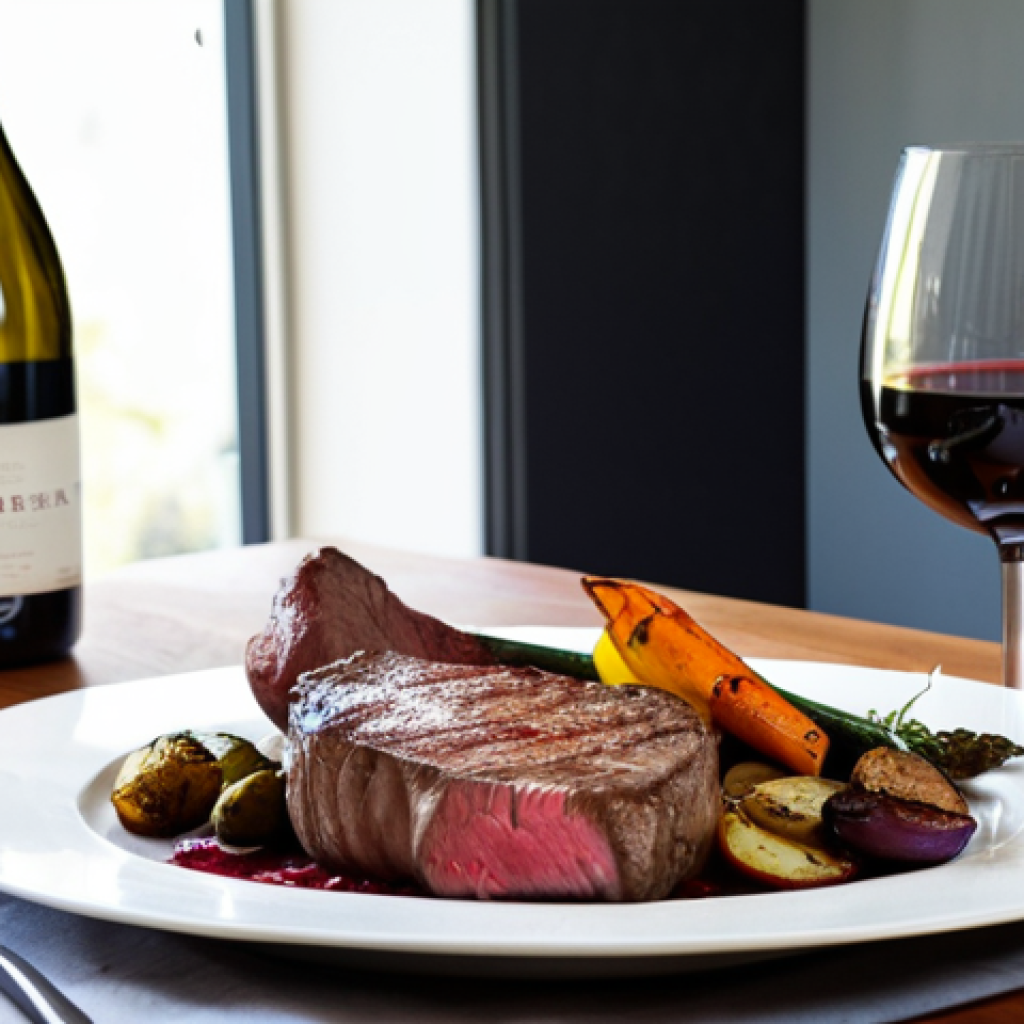
- Match the Weight: Pair light-bodied wines with light dishes and full-bodied wines with heavier dishes. For example, a delicate Pinot Grigio pairs well with a light salad, while a robust Cabernet Sauvignon is better suited to a grilled steak.
- Consider Acidity: Acidic wines pair well with fatty or rich foods. The acidity cuts through the fat, cleansing your palate and preventing the dish from feeling too heavy. Think Sauvignon Blanc with goat cheese or Champagne with fried chicken.
- Sweetness Matters: Pair sweet wines with sweet desserts or spicy foods. The sweetness of the wine can balance the sweetness of the dessert or tame the heat of the spice. Try a Moscato with fruit tart or a Gewürztraminer with Thai curry.
Specific Food and Wine Pairings
- Seafood: Pair with crisp white wines like Sauvignon Blanc, Pinot Grigio, or Albariño.
- Poultry: Pair with medium-bodied red wines like Pinot Noir or Beaujolais, or with richer white wines like Chardonnay.
- Red Meat: Pair with full-bodied red wines like Cabernet Sauvignon, Merlot, or Syrah.
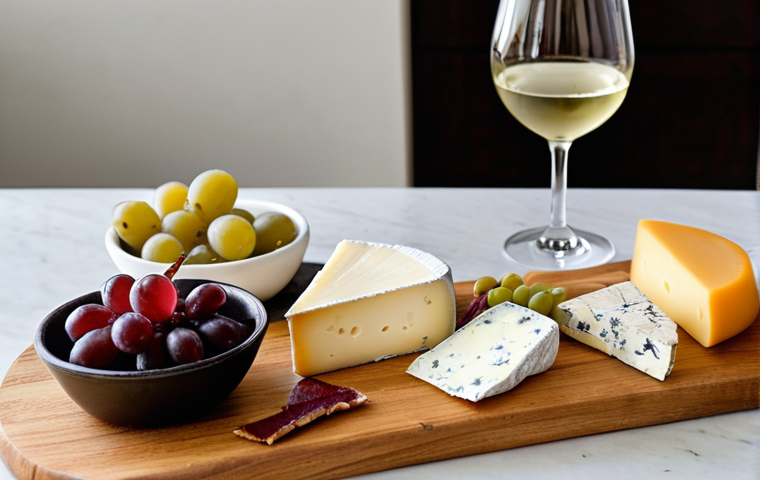
- Cheese: Pair with a variety of wines depending on the type of cheese. Soft cheeses like Brie pair well with sparkling wine or Chardonnay, while hard cheeses like Parmesan pair well with Cabernet Sauvignon or Chianti.
| Wine Type | Characteristics | Food Pairing Suggestions |
|---|---|---|
| Cabernet Sauvignon | Full-bodied, high tannins, dark fruit flavors | Grilled steak, lamb, aged cheddar |
| Pinot Noir | Light-bodied, high acidity, red fruit flavors | Salmon, roasted chicken, mushroom dishes |
| Chardonnay | Medium to full-bodied, buttery, oaky flavors | Lobster, creamy pasta, roasted vegetables |
| Sauvignon Blanc | Light-bodied, high acidity, grassy, citrus flavors | Goat cheese, salads, seafood |
| Riesling | Light-bodied, high acidity, fruity, floral aromas | Spicy Asian cuisine, fruit desserts, cheese |
Choosing the right wine doesn’t have to be daunting. With these tips in hand, you’re well-equipped to navigate the wine aisle with confidence and discover new favorites.
Next time you’re faced with a wall of wine, remember the label, the bottle shape, the color, and the closure, and you’ll be sipping on the perfect glass in no time.
Cheers to your wine adventures!
Wrapping Up
So, there you have it! Unlocking the mysteries of wine selection is an ongoing journey, but with a little practice, you’ll find yourself choosing bottles with confidence and delight. Remember, the best wine is the one you enjoy the most, so don’t be afraid to experiment and trust your palate. Happy sipping, friends!
Now armed with knowledge of labels, bottle shapes, colors, closures, price points, and food pairings, you’re ready to confidently navigate the world of wine. Remember, the key is to experiment and discover what you enjoy most.
Whether you’re impressing guests at a dinner party or simply relaxing at home, the right wine can elevate any occasion. So go forth, explore, and savor the journey of wine discovery.
And don’t forget, every wine has a story to tell. From the vineyard where the grapes were grown to the hands that crafted the wine, each bottle is a testament to passion and dedication.
Handy Tips to Remember
1. Download a wine label scanner app on your phone. Some apps let you take a photo of a wine label and provide information about the wine, including tasting notes and ratings.
2. Keep a wine journal or use a wine-tracking app to record the wines you’ve tried and your impressions. This helps you remember what you like and dislike, making future selections easier.
3. Visit local wineries and attend tastings. This is a great way to learn about different wines and discover new favorites. Plus, you can often get special deals on wines you try at the winery.
4. Don’t be afraid to ask for help at your local wine shop. The staff can offer personalized recommendations based on your preferences and budget.
5. Explore wines from lesser-known regions. You might be surprised at the hidden gems you can find from countries like Greece, Portugal, or Argentina.
Key Takeaways
– Decoding Labels: Understand vintage, appellation, and varietal to make informed choices.
– Bottle Shape Matters: Recognize Bordeaux, Burgundy, and other bottle styles to hint at the wine inside.
– Wine Color Clues: Use color to gauge age, grape varietal, and flavor profile.
– Closure Considerations: Weigh the pros and cons of cork vs. screw cap.
– Value Hunting: Explore different price ranges and seek recommendations to find great wines without overspending.
– Food Pairing Basics: Match weight, acidity, and sweetness for harmonious meals.
Frequently Asked Questions (FAQ) 📖
Q: I’m completely new to wine. Where do I even begin when choosing a bottle?
A: Ah, the age-old question! Don’t sweat it – everyone starts somewhere. Personally, I’d suggest starting with something light and approachable like a Pinot Grigio or a Riesling if you prefer white, or a Beaujolais or a Pinot Noir for red.
These are generally easier on the palate and won’t overwhelm you with tannins. Think about what you’re eating – a crisp white with seafood is a classic pairing, while a lighter red can complement chicken or pasta beautifully.
Don’t be afraid to ask for recommendations at your local wine shop; they’re usually brimming with helpful advice.
Q: I keep hearing about tannins. What are they, and how do they affect the taste of wine?
A: Tannins, ah yes, those sneaky little compounds that can make your mouth pucker! They’re naturally occurring substances found in grape skins, seeds, and stems, and they’re what give red wine its dryness and that slightly bitter, astringent feel.
Think of it like the feeling you get when you drink strong black tea. Wines with high tannins, like Cabernet Sauvignon or Barolo, can be quite bold and require time to soften.
Personally, I find a well-balanced tannin structure adds complexity, but if you’re sensitive to it, stick to wines with lower tannins like Pinot Noir or Gamay.
Q: How much does the bottle shape actually matter? Does it really affect the wine inside?
A: That’s a fun one! While the bottle shape doesn’t directly impact the taste of the wine, it’s definitely steeped in tradition and sometimes helps indicate what kind of wine it is.
For example, a tall, slender bottle is often used for German Riesling, while a broader-shouldered bottle is common for Bordeaux wines. From my experience, it’s more about presentation and branding, honestly.
A fancy bottle can definitely make a wine feel more special, especially if you’re giving it as a gift. But focus on what’s inside, not just the outside!
📚 References
Wikipedia Encyclopedia
구글 검색 결과
구글 검색 결과
구글 검색 결과
구글 검색 결과