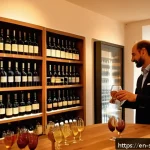
Ever dreamt of swirling a glass of fine Nebbiolo, identifying its nuanced terroir, and guiding guests through an unforgettable culinary journey? For many wine enthusiasts, the title of ‘sommelier’ isn’t just a job; it’s a calling, a pinnacle of passion and dedication.
But let’s be honest, the path to becoming a certified wine expert can seem shrouded in mystery, filled with intimidating exams and exclusive circles. I remember feeling a mix of excitement and apprehension when I first considered taking that leap, wondering where to even begin and if I truly had what it takes to join the ranks of those esteemed professionals.
The good news is, navigating the world of sommelier associations isn’t as daunting as it appears, and gaining that official recognition opens up incredible doors in a booming industry that’s always hungry for true connoisseurs who can elevate the dining experience.
Plus, with the global wine market continuing its upward trend, there’s never been a better time to formalize your expertise and turn your passion into a prestigious career.
Ready to uncork your potential and transform your love for wine into a professional advantage? Let’s find out exactly how you can join a sommelier association and take the first sip of your professional wine journey.
Uncorking Your Potential: Laying the Foundation for Sommelier Success

Finding Your Why in the World of Wine
For so many of us, the journey into wine starts with a simple, breathtaking moment – perhaps a perfect pairing at a restaurant, or a surprisingly complex sip of something new.
That moment sparks a curiosity, a desire to understand the magic in the glass. I remember my own “aha!” moment, tasting a Barolo that completely captivated my senses, and from then on, I knew I wanted to dive deeper than just casual appreciation.
It wasn’t about memorizing facts; it was about connecting with the story, the culture, and the artistry. Before you even think about certifications or exams, truly understanding *why* you want to pursue this path is crucial.
Is it the thrill of discovery? The joy of sharing knowledge? The desire to create unforgettable experiences for others?
Your “why” will be your anchor when the studying gets tough, or when you face a particularly challenging wine list. This intrinsic motivation is what separates those who simply dabble from those who truly excel and find lasting fulfillment in this demanding yet incredibly rewarding career.
It’s not just about a title; it’s about a lifestyle, a commitment to perpetual learning and an unwavering passion that shines through in every interaction.
Building a Solid Knowledge Base Beyond the Bottle
Before you jump into any formal program, immersing yourself in the world of wine through self-study is incredibly valuable. Think of it as building your personal wine library.
Start with comprehensive books that cover regions, varietals, viticulture, and vinification. Don’t just read; engage! Take notes, draw maps, and create flashcards.
I found that joining local wine tasting groups, even informal ones, was a game-changer. It’s one thing to read about a Sancerre, and another entirely to taste it alongside others, discussing its characteristics and comparing notes.
Websites, reputable blogs (like this one!), and podcasts can offer supplementary knowledge, keeping you abreast of current trends and lesser-known regions.
This foundational knowledge isn’t just for passing exams; it’s for developing a truly well-rounded understanding that will serve you throughout your career.
When you walk into an interview or are faced with an obscure wine on a menu, that broad base of knowledge will give you the confidence to speak intelligently and passionately, impressing both your peers and your future guests.
It’s all about developing that muscle memory for flavor profiles and understanding the nuances that make each bottle unique.
Navigating the Certification Labyrinth: Which Path is Right for You?
Exploring the Major Sommelier Associations
Once your personal knowledge base feels robust, it’s time to consider formal certification, and trust me, there are a few big players in this arena. The most recognized global bodies are generally the Court of Master Sommeliers (CMS) and the Wine & Spirit Education Trust (WSET).
While both are highly respected, they offer slightly different approaches. The CMS, for instance, is very much geared towards service and practical application, focusing heavily on blind tasting and hospitality skills, which makes it a fantastic fit for those aspiring to work on the restaurant floor.
WSET, on the other hand, provides a more academic, knowledge-based curriculum, often preferred by those in wine retail, import/export, or even journalism.
Then you have organizations like the Guild of Master Sommeliers or the Sommelier Society of America, which also offer excellent programs, sometimes with a more regional focus.
I’ve seen aspiring sommeliers agonize over this choice, feeling like one wrong turn could derail their entire career. My advice? Research each one thoroughly.
Look at their syllabus, their exam structure, and talk to certified sommeliers from different organizations. What really resonated with me was the practical, hands-on approach of the CMS, which felt more aligned with my vision of interacting directly with guests.
It’s not a one-size-fits-all journey, and choosing the right path for *you* is paramount to enjoying the process and succeeding.
Understanding the Different Levels of Certification
Each major association typically offers multiple levels of certification, designed to progressively build your expertise. It usually starts with a foundational level – think of it as your first dip into the professional pool.
For CMS, this is the Introductory Sommelier Exam, and for WSET, it’s typically Level 1 or 2. These levels cover the basics: grape varietals, wine regions, food pairing principles, and service standards.
As you advance, the material becomes more intricate, demanding a deeper understanding of viticulture, vinification, international wine law, and often, more rigorous blind tasting challenges.
For instance, moving from Certified Sommelier to Advanced Sommelier with the CMS is a significant leap, requiring an immense amount of dedication and practical experience.
Many people successfully build fantastic careers with just the Certified or Advanced levels, while the Master Sommelier designation, the pinnacle of the CMS, is notoriously difficult and pursued by only a select few truly dedicated individuals.
Don’t feel pressured to rush to the highest level immediately. I’ve always advocated for taking your time, solidifying your knowledge at each stage, and gaining real-world experience.
Each level you achieve is a significant accomplishment and a testament to your growing expertise, opening new doors and opportunities as you progress.
It’s a marathon, not a sprint, and every single step counts.
Beyond the Classroom: Practical Experience That Pours Success
The Indispensable Role of Hands-On Experience
Here’s where the rubber meets the road, or rather, where the cork meets the pull. Classroom knowledge is foundational, but nothing, and I mean absolutely nothing, replaces actual hands-on experience in a restaurant, wine bar, or retail environment.
This is where you learn the true art of service, how to read a table, recommend the perfect bottle for a diverse range of palates, and handle unexpected situations with grace.
I remember my first few shifts on the floor, feeling a mix of exhilaration and complete terror. Theory is one thing; deftly decanting an aged Bordeaux tableside while chatting with guests and ensuring their experience is flawless is an entirely different skill set.
This is where you develop your palate further, tasting wines alongside food, understanding how they interact, and seeing how different vintages evolve.
Seek out opportunities to work alongside experienced sommeliers or wine directors. Offer to help with inventory, cellar management, or even just polishing glassware – every moment in that environment is a learning opportunity.
It’s also where you build your professional network, connecting with suppliers, distributors, and other passionate individuals in the industry.
Mastering the Art of Blind Tasting
Blind tasting is the sommelier’s ultimate party trick, but it’s far more than that – it’s a critical skill that hones your palate and reinforces your theoretical knowledge.
This isn’t about guessing the exact producer; it’s about systematically identifying grape varietals, regions, vintages, and quality levels based solely on what’s in the glass.
It requires meticulous attention to appearance, nose, and palate, followed by a logical deduction process. I started my blind tasting practice simply, by pouring two similar-looking white wines for myself and trying to differentiate them.
Then I progressed to more structured sessions with friends, using tasting grids provided by the sommelier associations. It takes time, patience, and a lot of honest self-assessment.
You’ll have days where every wine tastes like grape juice, and days where you feel like a tasting genius. Don’t get discouraged! The more you practice, the more connections your brain makes between specific aromas, flavors, and structural components (acidity, tannin, alcohol) and the wines they represent.
This skill not only impresses but also instills a deep confidence in your ability to assess and articulate the nuances of any wine. It’s a journey of sensory refinement that truly never ends.
The Investment in Excellence: Understanding the Costs and Rewards
Breaking Down the Financial Commitment
Let’s be real for a moment: pursuing sommelier certification isn’t a cheap endeavor, but it’s an investment in yourself and your career. The costs can vary significantly depending on the association, the level of certification, and your location.
You’ll typically encounter fees for tuition or course materials, exam registration, and travel if you need to attend in-person sessions or exams. For instance, a WSET Level 3 program can run anywhere from $1,000 to $2,000, while CMS Introductory and Certified exams might be a few hundred dollars each, but the Advanced Sommelier exam is a much heftier sum.
Then there are the “hidden” costs, which are just as vital: the cost of purchasing wines for tasting practice, wine books, study guides, and potentially even travel to wine regions to deepen your experience.
I remember calculating my own investment for the Advanced Sommelier exam, and it felt substantial at the time. However, I viewed it as an upfront cost for a lifelong passion and a pathway to a more lucrative career.
Many students find creative ways to manage these costs, from saving aggressively to seeking scholarships or employer sponsorships.
The ROI of Sommelier Certification
So, is all that investment worth it? In my experience, absolutely. The return on investment (ROI) for sommelier certification extends far beyond just increased earning potential.
While a certified sommelier can certainly command a higher salary and better tips than an uncertified wine server, the benefits are much broader. You gain credibility, not just within the industry but with guests, who trust your recommendations.
Doors open to prestigious restaurants, luxury hotels, and high-end wine retail positions that might otherwise be inaccessible. Furthermore, the knowledge and skills you acquire foster a sense of immense personal satisfaction and confidence.
Imagine confidently guiding a guest through a complex wine list, seeing their eyes light up with understanding, and knowing you’ve enhanced their dining experience.
That kind of intrinsic reward is priceless. Beyond that, the network you build, the travel opportunities, and the continuous learning are all part of the invaluable return.
It’s an investment in intellectual growth, sensory development, and a career path that can truly be your lifelong passion.
Building Your Personal Brand: Networking and the Sommelier Community

The Power of Connecting with Fellow Enthusiasts
In the wine world, your network is almost as important as your palate. Becoming a sommelier isn’t just about individual mastery; it’s about joining a vibrant, supportive community.
Actively seeking out opportunities to connect with other wine professionals, whether they’re fellow students, established sommeliers, or industry veterans, is crucial.
Attend local wine tastings, workshops, and industry events. Don’t be shy about introducing yourself and striking up conversations. I’ve found some of my most valuable mentors and friends through casual interactions at wine festivals or after a class.
These connections can lead to invaluable advice, job opportunities, tasting group invitations, and even lifelong friendships. Remember, everyone in this industry started somewhere, and most people are incredibly generous with their knowledge and experiences.
These informal learning environments often provide insights you won’t find in any textbook. Embrace the chance to share your passion and learn from others; it truly enriches your entire journey and makes the often solitary path of studying feel a lot less lonely.
Leveraging Social Media and Online Platforms
In today’s digital age, your personal brand as a wine professional extends beyond in-person interactions. Social media platforms like Instagram, LinkedIn, and even specialized wine forums offer incredible opportunities to showcase your expertise, share your journey, and connect with a global audience.
Think about creating engaging content – maybe short videos reviewing a new wine, photos of interesting pairings, or thoughtful posts about wine regions you’ve explored.
This isn’t just for showing off; it’s about establishing yourself as a knowledgeable and approachable voice in the wine community. I’ve personally seen how a well-curated online presence can lead to speaking engagements, consulting gigs, and even collaborations with wineries or publications.
It’s also a fantastic way to keep up with industry news and trends from around the world. Just be authentic and true to your own voice. People respond to genuine passion and a willingness to share, not just polished perfection.
Your digital footprint can be a powerful tool in carving out your niche and attracting opportunities you might never have found otherwise.
Sipping Towards a Career: Job Prospects and Earning Potential
Diverse Career Paths for Certified Sommeliers
The beauty of becoming a certified sommelier is the sheer breadth of career paths it opens up. While many immediately think of the restaurant floor, expertly navigating a dining room, that’s just one exciting avenue.
Your skills are highly valued in luxury hotel groups, where you might manage an extensive wine program across multiple outlets. Wine retail is another huge sector, from high-end boutiques needing knowledgeable staff to guide customers, to larger chains looking for wine buyers and educators.
The import/export business also relies heavily on sommeliers for their expertise in sourcing, quality control, and market trends. Beyond these traditional roles, you might find yourself in wine education, teaching aspiring enthusiasts or professionals.
Some sommeliers even pivot into wine writing, consulting for private collectors, or even starting their own wine-related businesses. I’ve seen colleagues transition from the restaurant world to managing exclusive wine clubs or curating cellars for celebrities.
The versatility of this certification is truly impressive, allowing you to tailor your career to your evolving passions and interests within the vast world of wine.
Understanding Salary Expectations and Growth
When it comes to earning potential, a sommelier’s salary can vary widely based on experience, location, the prestige of the establishment, and your level of certification.
An entry-level wine steward or sommelier in a casual dining setting might start in the $30,000-$50,000 range, often supplemented by tips. As you gain certifications (like Certified or Advanced Sommelier) and experience, and move into fine dining or management roles, that figure can climb significantly.
Head sommeliers or wine directors at top-tier restaurants or luxury hotels in major cities can easily command salaries upwards of $70,000 to $100,000+, not including potential bonuses and substantial gratuities.
For Master Sommeliers, especially those in consulting or high-profile roles, the earning potential is even higher. Beyond base salary, consider the perks: access to incredible wines, industry events, and often travel.
I remember the palpable increase in opportunities and salary offers once I achieved my Advanced certification; it was a clear demonstration of the industry valuing formalized expertise.
It’s not just about the money, but it’s certainly gratifying to know that dedicating yourself to this craft can lead to a very comfortable and exciting professional life.
Lifelong Learning: Keeping Your Palate Sharp and Knowledge Fresh
The Ever-Evolving World of Wine
The moment you think you know everything about wine is the moment you stop growing, and believe me, the wine world never stops evolving. New regions emerge, traditional ones innovate, climate change impacts vintages, and consumer tastes shift.
As a sommelier, maintaining your expertise means embracing a philosophy of lifelong learning. This isn’t a chore; it’s one of the most exciting aspects of the profession!
I make it a point to regularly read industry publications, follow wine critics and educators, and subscribe to newsletters from various wine regions. Every year brings new challenges and new discoveries, and staying current allows you to remain relevant and authoritative.
It’s about being able to discuss the latest trends in natural wines, the impact of smoke taint in California, or the rise of indigenous varietals from Eastern Europe.
Your guests and colleagues will rely on you to be a source of cutting-edge information, not just historical facts. This continuous engagement keeps your passion alive and ensures that every day on the job brings a new opportunity to learn and share.
Maintaining Your Palate and Professional Edge
Just like an athlete needs to train constantly, a sommelier needs to keep their palate in peak condition. This means regular tasting practice, not just for exams, but for pure enjoyment and professional development.
Make it a habit to taste new wines weekly, critically assessing them and taking detailed notes. Participate in tasting groups, even after you’re certified, to keep your senses sharp and to get different perspectives.
Don’t limit yourself to expensive or classic wines; explore lesser-known regions and varietals. You’d be surprised what gems you can uncover, and these discoveries can become highlights of your wine list recommendations.
Furthermore, attend masterclasses and seminars, which often feature winemakers or experts providing deep dives into specific topics. I’ve always found that interacting directly with the people who make the wine or study it deeply adds an invaluable layer to my understanding.
This continuous engagement with the product and the industry isn’t just about maintaining your professional edge; it’s about continuously rediscovering the magic and complexity that drew you to wine in the first place.
| Certification Body | Primary Focus | Typical Levels Offered | Best Suited For |
|---|---|---|---|
| Court of Master Sommeliers (CMS) | Restaurant Service & Blind Tasting | Introductory, Certified, Advanced, Master | Restaurant Floor, Hospitality |
| Wine & Spirit Education Trust (WSET) | Academic Knowledge & Theory | Levels 1, 2, 3, 4 (Diploma) | Retail, Import/Export, Education, Journalism |
| Guild of Master Sommeliers | Culinary & Beverage Service | Foundation, Intermediate, Advanced, Master | Fine Dining, Hotel Beverage Management |
글을마치며
And there you have it, folks! What an incredible journey we’ve taken together through the exciting, challenging, and ultimately deeply rewarding world of becoming a sommelier. From those initial sparks of curiosity that draw us into the glass, to the rigorous study and the exhilarating dance of service on the restaurant floor, every step is a testament to passion and dedication. I truly hope that sharing my own experiences and insights has illuminated your path, whether you’re just starting to explore the idea or are already deep into your certifications. Remember, this isn’t just a career; it’s a vibrant, ever-evolving lifestyle that offers endless opportunities for learning, growth, and connection. Keep tasting, keep questioning, and most importantly, keep that undeniable love for wine burning bright. It’s that genuine enthusiasm that truly makes all the difference, both for you and for everyone you have the pleasure of guiding through the wonderful world of wine. You’ve got this, and I’m genuinely thrilled for the incredible adventures that await you.
알아두면 쓸모 있는 정보
1. Diversify Your Palate Early: Don’t just stick to what you know or love. Actively seek out wines from obscure regions, unusual varietals, and different price points. Your palate needs to be a well-traveled explorer, not a creature of habit. The more diverse your tasting experiences, the quicker you’ll build those crucial sensory connections. I’ve often found unexpected gems in the most unlikely places, and those experiences are invaluable.
2. Network Beyond Formal Events: While industry events are great, some of the best connections happen organically. Strike up conversations with wine merchants, local winemakers, or even fellow diners who show a keen interest in wine. You never know where a casual chat might lead—to a tasting group, a mentorship, or even a future job opportunity. Building genuine relationships is key in this close-knit community.
3. Prioritize Practical Experience: Classroom knowledge is crucial, but it’s only half the battle. Actively seek out opportunities to work in environments where wine service is central, even if it starts with supporting roles. This hands-on experience in real-world scenarios, from inventory management to tableside service, is where your theoretical knowledge truly comes alive and solidifies into practical expertise. There’s no substitute for being on the floor.
4. Master the Art of Note-Taking: Your memory is good, but your notes are better. Develop a systematic approach to tasting notes, covering appearance, nose, palate, and conclusion. This consistent practice not only sharpens your analytical skills but also creates a personal reference library that will be invaluable as you progress through your studies and career. My old notebooks are still treasures!
5. Embrace Technology for Learning: Beyond traditional books, leverage wine apps for flashcards, online courses for specific topics, and virtual tasting sessions. Many reputable wine education platforms offer resources that can complement your studies and keep you updated on the latest trends and regions from around the globe, making learning more interactive and accessible than ever before. It’s a fantastic way to supplement your formal education.
중요 사항 정리
Embarking on the sommelier journey is a profound commitment, but one that rewards amply with expertise and personal growth. Remember, foundational knowledge is your bedrock, built through dedicated self-study and active participation in tasting groups. Choosing the right certification body, whether CMS for service excellence or WSET for academic depth, is paramount to aligning with your career aspirations. Crucially, hands-on experience in hospitality settings is irreplaceable for honing service skills and developing a nuanced palate through blind tasting practice. While the financial investment is significant, the ROI extends beyond salary, encompassing immense personal satisfaction, professional credibility, and unparalleled career opportunities across diverse wine sectors. Always prioritize networking within the vibrant wine community and leverage digital platforms to build your personal brand. Finally, the world of wine is in perpetual motion, so embracing lifelong learning and maintaining a sharp palate are essential for sustained success and an eternally exciting career. It’s a journey fueled by passion, knowledge, and an unwavering commitment to the craft.
Frequently Asked Questions (FAQ) 📖
Q: What’s the absolute first step I should take if I’m serious about becoming a sommelier?
A: Oh, I totally get that feeling of excitement mixed with a little bit of “where do I even begin?” When I first considered this path, it felt like there was a secret handshake or an exclusive club I needed to find.
Honestly, the very first, most crucial step isn’t signing up for a course just yet; it’s deeply reflecting on why you want to do this. Is it the sheer artistry of winemaking, the fascinating science of viticulture, the magic of food and wine pairing, or the joy of guiding someone through an unforgettable dining experience?
For me, it was this incredible blend of all those elements that kept pulling me in. Once you’ve connected with your core motivation, I’d suggest diving into some serious self-study.
Grab an introductory wine book – something engaging like “The Wine Folly Magnum Edition” or even check out the fantastic free resources many reputable organizations like the WSET offer online.
And please, don’t underestimate the power of simply tasting more wine, intentionally and critically! Seek out local tasting groups, visit wineries if you can, and strike up conversations with sommeliers you encounter.
It’s all about building that foundational knowledge and truly understanding what lights your personal wine fire before you jump into formal certifications.
That personal connection makes all the difference, trust me.
Q: There are so many sommelier associations out there – how do I choose the “right” one, and what are the key differences I should look for?
A: Ah, yes, the classic “which path to choose” dilemma! This was definitely a head-scratcher for me initially, and it’s a question I hear all the time. The truth is, there isn’t a single “best” association, as the ideal choice really hinges on your career aspirations and learning style.
From my own research and interactions with countless industry pros, the two big players most English-speaking enthusiasts consider are the Court of Master Sommeliers (CMS) and the Wine & Spirit Education Trust (WSET).
I’ve found CMS to be incredibly service-focused. If your dream involves being on the floor of a bustling, high-end restaurant, expertly decanting, tableside service, and making impeccable recommendations, then CMS might be your perfect match.
Their exams are super practical, rigorous, and really test your ability to perform under pressure. WSET, on the other hand, leans more towards an academic, knowledge-based approach.
It’s fantastic for building a comprehensive understanding of global wine regions, production methods, and systematic tasting theory. I’ve seen many folks in wine retail, importing, marketing, or education really thrive with WSET’s robust curriculum.
So, take a moment to visualize yourself in five years: are you orchestrating a dining room’s wine program or perhaps leading educational tastings for a distributor?
Your answer will definitely help steer you toward the organization that best aligns with your unique professional journey.
Q: Is all the effort and financial investment required for sommelier certification truly worth it in the long run?
A: One hundred percent, absolutely, without a doubt in my mind! I vividly remember agonizing over this exact question, looking at the costs of courses, exams, and the sheer time commitment.
But let me tell you, from personal experience, the return on investment – both professionally and personally – has been nothing short of phenomenal. First off, the credibility you instantly gain is massive.
When you proudly carry those certifications, people, whether they’re restaurant guests, potential employers, or industry peers, immediately recognize and trust your expertise.
I’ve personally found it unlocks doors to incredible opportunities: often leading to better positions, significantly higher earning potential, exciting consulting projects, and even exclusive access to producers and tasting events.
Beyond the tangible career boosts, there’s the profound personal growth. You develop an incredibly sophisticated palate, a much deeper appreciation for the intricate craft of winemaking, and you become part of a passionate, global community.
It’s not just about accumulating knowledge; it’s about mastering a refined skill set that enriches your life and career in ways you might not even fully anticipate at the outset.
Believe me, it’s an investment in yourself and your passion that continues to pay dividends long after you’ve passed those final exams.