Hey there, beverage adventurers and hospitality gurus! You know, for a long time, when we heard the word “sommelier,” our minds immediately went to dusty cellars, exquisite vintages, and deep knowledge of wine regions.
But if you’re anything like me, you’ve seen the industry landscape changing in a truly exciting way, right before our very eyes! The role of the modern sommelier is expanding, becoming a dynamic, multifaceted position that now often includes a comprehensive understanding of everything from craft beers to artisanal sakes, and, yes, incredible cocktails.
Gone are the days when a sommelier’s expertise was solely confined to the grape. Today’s most sought-after professionals are those who can navigate the entire beverage spectrum, curating sophisticated experiences that perfectly complement a chef’s culinary vision, whether it’s with a rare Burgundy or a meticulously crafted spirit-forward cocktail.
I’ve personally experienced the thrill of seeing guests’ faces light up when a perfectly paired cocktail elevates their meal in an unexpected way, adding a layer of depth and excitement that only a true beverage expert can orchestrate.
We’re seeing a massive trend towards elevated cocktail programs in fine dining, focusing on unique flavor combinations—think savory, spicy, or even unexpected ingredient pairings—and an emphasis on premium, high-quality spirits as the foundation.
This isn’t just about mixing drinks; it’s about understanding the very soul of each component, much like we do with wine. It’s about leveraging your already refined palate and immense knowledge to deliver truly exceptional liquid artistry.
So, if you’re ready to broaden your horizons and truly master the art of the complete beverage program, understanding the foundational spirits behind the world’s most beloved cocktails is absolutely essential.
Let’s accurately uncover the secrets to these essential cocktail bases, ensuring you’re perfectly equipped to meet the evolving demands of our vibrant hospitality world and wow every single guest.
The Clear Canvas: Decoding Vodka’s Versatility
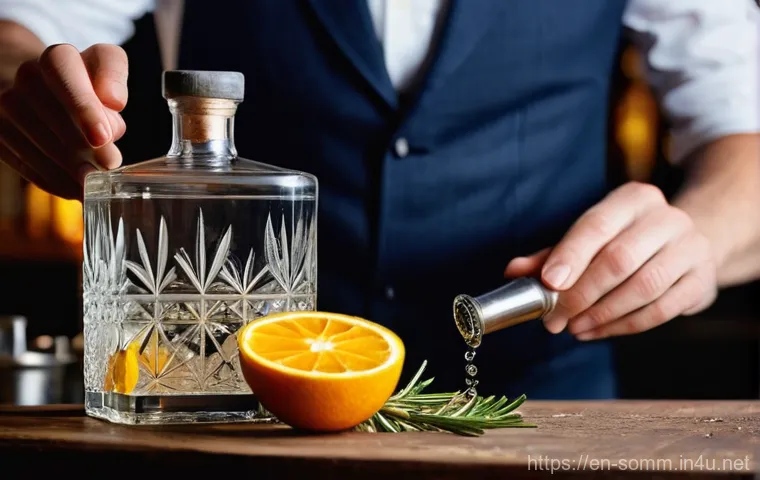
You know, for years, vodka often got a bad rap, sometimes dismissed as “flavorless” or just a vehicle for other ingredients. But if you ask me, that’s really missing the point! What I’ve come to appreciate deeply about vodka is its incredible chameleon-like nature and its purity, which, ironically, allows other flavors to truly shine. It’s like the perfect blank canvas, waiting for a master artist to bring it to life. We’re talking about a spirit traditionally crafted from grains like wheat or rye, or even potatoes, but modern variations can surprise you with bases like grapes or corn. The magic happens during distillation, often multiple times, to strip away impurities and achieve that crisp, clean profile that high-quality vodka is celebrated for.
Unflavored Versus Flavored: More Than Just a Dash of Taste
When you’re delving into vodka, you’ll quickly discover a spectrum, starting with the classic “plain” or “unflavored” varieties. These are your workhorses, the backbone of iconic cocktails like the Martini or the Moscow Mule. Don’t be fooled by the “unflavored” label; a truly premium unflavored vodka will offer subtle nuances, perhaps a whisper of crispness, a hint of pepper, or even a delicate sweetness, all depending on its raw ingredients and how many times it’s been distilled. Then we step into the exciting world of flavored vodkas. These aren’t just for adding a splash of fruit; they’re designed to infuse depth and character into cocktails without needing a dozen extra ingredients. I’ve seen some incredible flavored vodkas, from zesty citrus to warm vanilla, and even more adventurous options like cucumber or chili pepper. It’s all about understanding how these infused profiles can elevate a drink, whether you’re aiming for something bright and refreshing or a cocktail with a spicy kick.
Crafting Cocktails with Clarity: Vodka’s Role in Mixology
What makes vodka so indispensable in a modern beverage program is precisely its versatility. It’s the go-to base for countless cocktails, and its neutral character makes it incredibly adaptable. From the refreshing simplicity of a Vodka Tonic to the complex layers of a Cosmopolitan, vodka provides a foundation that allows other ingredients—be it fresh juices, aromatic herbs, or even savory elements like hot sauce—to truly sing. I always tell people that to truly appreciate vodka, try it neat and chilled, as it’s often served in its home countries. You’ll gain a whole new perspective on its subtle character and purity. This understanding is crucial for any sommelier, as it equips you to appreciate vodka not just as a mixer, but as a spirit with its own nuances, capable of enhancing diverse culinary experiences.
The Aromatic Heart: Exploring the World of Gin
Oh, gin! It’s truly a spirit that has captured my heart, and I’ve watched its resurgence in popularity with absolute delight. For years, some folks only associated it with that one, distinct “piney” note, but that’s like saying all wine tastes like grapes – a huge oversimplification! The beauty of gin lies in its incredible aromatic complexity, all thanks to its botanical blend. Juniper, of course, is the legal requirement and the defining characteristic, giving it that invigorating, pine-like backbone. But beyond that, distillers become artists, selecting a symphony of other botanicals – coriander, angelica root, various citrus peels, cardamom, or even more exotic spices – each contributing layers of flavor. I’ve tasted gins that transport you to a fragrant garden, others that whisper of far-off spice markets, and some that are simply bright and zesty. It’s a spirit that truly rewards exploration and demands a discerning palate, making it a natural fit for someone with a sommelier’s curiosity and attention to detail.
London Dry and Beyond: Understanding Gin Styles
When we talk about gin, “London Dry” often comes to mind first, and for good reason! It’s the crisp, juniper-forward style that’s a cornerstone of so many classic cocktails like the Gin Martini or a perfectly balanced Negroni. What makes a London Dry unique is that no artificial flavors or sweeteners are added after distillation, ensuring a pure, unadulterated botanical expression. But the gin world is so much richer than just London Dry. We have Old Tom gin, which is slightly sweeter and rounder, making it a fantastic choice for cocktails that benefit from a touch more sweetness, like a Bee’s Knees. Then there are the more contemporary gins, which might emphasize floral, citrus, or even savory notes, pushing the boundaries of what gin can be. As a beverage professional, delving into these different styles means you’re equipped to recommend the perfect gin for any guest’s preference or to create cocktails that truly highlight a specific gin’s unique character. It’s about finding that perfect harmony, where the gin isn’t just an ingredient, but the star of the show.
The Botanical Dance: Pairing Gin with Purpose
I find that understanding gin’s botanical makeup is key to mastering its use in cocktails and food pairings. Each botanical, from the zesty lift of lemon peel to the earthy depth of angelica root, plays a role. When you’re crafting a cocktail, consider how these notes will interact with your mixers. Will the gin stand tall, harmonizing beautifully, or will its nuances be lost? For example, a crisp London Dry shines in a Gin & Tonic, its botanicals cutting through the tonic’s bitterness, while a more floral gin might be absolutely stunning in a lighter, spritzy drink. I’ve personally experimented with pairing different gins with various cuisines, much like one would with wine. Imagine a seafood ceviche paired with a gin emphasizing bright citrus and a hint of sea salt botanicals – it’s an absolute revelation! The ability to speak to these intricate flavor profiles and guide guests to the perfect gin experience is what truly sets a modern beverage expert apart.
The Sweet & Savory Spectrum: Delving into Rum
Rum, my friends, is a spirit that tells a story of sun-drenched islands, historical voyages, and an incredible range of flavors. It’s far more diverse than many people initially realize, and that’s what makes it so exciting for those of us in the beverage world! Made from sugarcane or its byproduct, molasses, rum production is a journey of fermentation, distillation, and often, aging in oak barrels, each step shaping its unique character. I’ve been utterly fascinated by how much a rum’s origin and production method can influence its taste – you can genuinely taste the terroir, just like with wine. From the light, crisp notes of a white rum to the deep, complex flavors of a long-aged dark rum, it’s a category that offers endless possibilities for discovery and cocktail creation.
Categorizing Caribbean Charm: Rum’s Diverse Personalities
One of the first things to wrap your head around with rum is its vast stylistic landscape. You’ve got your “light” or “white” rums, typically clear and subtly sweet, often filtered to remove color after brief aging. These are your go-to for refreshing cocktails where other flavors take the lead, like the Mojito or Daiquiri. Then there’s “gold” or “amber” rum, which gets its hue and richer, more complex flavor from aging in barrels. And let’s not forget the glorious “dark” rums, aged for longer in charred barrels, boasting deep molasses, toffee, and even smoky notes, perfect for sipping or full-bodied cocktails like a Dark ‘n’ Stormy. What truly excites me are the regional variations: Jamaican rums with their bold, funky “hogo” notes, the balanced smoothness of Barbados rums, or the earthy, grassy profile of French Caribbean Rhum Agricole made from fresh sugarcane juice. Each offers a distinct personality, allowing for incredibly nuanced cocktail programs.
Rum’s Culinary Dance: Beyond the Cocktail Glass
I’ve found that rum’s versatility extends far beyond just cocktails; it’s a fantastic partner for food, too! Its diverse flavor profiles – from sweet and fruity to bold and spicy – make it adaptable to many culinary pairings. Imagine a rich, dark rum complementing a decadent chocolate dessert, or a lighter, zestier rum cutting through the richness of a seafood dish. I often think about how the caramelized sweetness of a well-aged rum can echo flavors in a grilled pineapple or a slow-cooked pork belly. Understanding these synergies allows a sommelier to not only recommend the perfect rum-based cocktail but also to suggest rum as a digestif or even as an ingredient to enhance a dish. It’s about creating a holistic, memorable dining experience where the beverage program truly enhances the culinary journey. This expansive view is what guests are increasingly seeking, and it’s where we, as beverage professionals, can truly shine.
| Spirit Category | Key Flavor Characteristics | Classic Cocktail Example | Sommelier Pairing Note |
|---|---|---|---|
| Vodka | Clean, neutral, subtle sweetness or peppery notes (depending on base) | Moscow Mule | Excellent with lighter fare, seafood, or spicy dishes; a true flavor amplifier. |
| Gin | Juniper-forward, aromatic, diverse botanicals (citrus, floral, spicy, earthy) | Negroni | Versatile with herbal, citrus-driven dishes; can cut through richness or complement delicate flavors. |
| Rum | Sweet, molasses, caramel, tropical fruit, sometimes funky or grassy (Rhum Agricole) | Daiquiri | Pairs beautifully with tropical fruits, richer desserts, grilled meats; fantastic with spicy cuisine. |
| Tequila/Mezcal | Earthy, peppery, citrusy (Tequila); Smoky, savory, herbal, complex agave notes (Mezcal) | Margarita | Incredible with Mexican cuisine, grilled vegetables, and dishes benefiting from a smoky or bright lift. |
| Whiskey/Whisky | Vanilla, caramel, oak, spice, smoke (Scotch), fruit (Irish), rye (American) | Old Fashioned | Robust pairings with red meats, aged cheeses, chocolate, and hearty, savory dishes. |
| Brandy/Cognac | Fruity (dried fruit, stone fruit), floral, spice, oak, rich, sometimes nutty | Sidecar | Ideal as a digestif; complements fruit tarts, crème brûlée, or rich pâtés. |
Agave’s Allure: Unpacking Tequila and Mezcal
If there’s one category that has absolutely exploded in popularity and sophistication over the last decade, it’s agave spirits! For many, tequila was once just for shots or margaritas, and mezcal was a smoky mystery. But trust me, once you start diving in, you realize these spirits are as complex and terroir-driven as the finest wines. Both originate from Mexico, made from the magnificent agave plant, but their production methods, and therefore their flavor profiles, are wonderfully distinct. I’ve personally journeyed through various regions, seeing firsthand how the type of agave, the soil, the climate, and even the roasting techniques impart incredible nuances. Understanding these differences isn’t just academic; it’s about unlocking a whole new world of pairing potential and creating truly memorable cocktail experiences for your guests.
Tequila’s Terroir: From Highlands to Lowlands
Tequila, by definition, must be made primarily from blue Weber agave (Agave tequilana) in specific regions of Mexico, most famously Jalisco. What I find fascinating is the impact of altitude. Tequilas from the “Highlands” (Los Altos) tend to be fruitier, more floral, and brighter, often with notes of citrus and pepper. Contrast that with “Lowlands” (Amatitán-Tequila Valley) tequilas, which are often earthier, more herbaceous, and sometimes have a savory minerality. I always recommend tasting a Blanco (unaged) tequila from each region side-by-side to truly grasp these differences. Aging classifications—Reposado (rested in oak), Añejo (aged), and Extra Añejo (extra aged)—further develop flavors, introducing vanilla, caramel, and oak spices. This deep dive helps me suggest the perfect tequila, whether a crisp Blanco for a vibrant Margarita or a complex Añejo for a sipping experience akin to a fine aged spirit.
Mezcal’s Smoky Soul: Beyond Tequila’s Shadow
Now, mezcal is where the magic truly unfolds for those who love depth and a touch of the unexpected. While all tequila is mezcal, not all mezcal is tequila! Mezcal can be made from over 200 varieties of agave, not just blue Weber. The defining characteristic, for me, is often that beautiful, earthy smoke, which comes from roasting the agave piñas in underground earthen pits, rather than steaming them. This traditional method, often using donkeys to crush the roasted agave, creates a spirit with incredible complexity—think notes of savory herbs, roasted nuts, tropical fruit, and that signature smoky backbone. I’ve had mezcals that taste like a bonfire on a beach, others that are surprisingly delicate and floral, or intensely mineral. Mezcal is increasingly embraced in modern mixology, adding a smoky twist to classics or inspiring entirely new creations. As sommeliers, the ability to introduce guests to these diverse expressions, and to pair them thoughtfully with food, opens up an exciting new dimension of flavor.
Whiskey Wonders: From Malts to Mash Bills
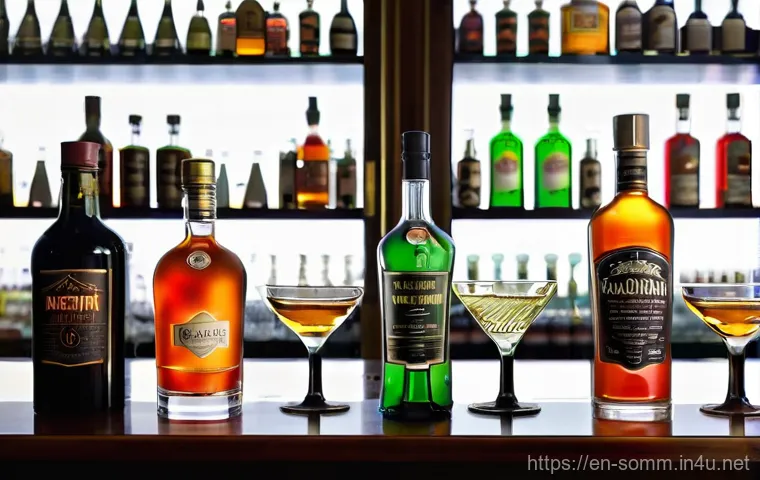
Alright, let’s talk whiskey (or whisky, depending on where you’re sipping!). This is another enormous category that, much like wine, offers a lifetime of exploration. When I first started diving into spirits, whiskey felt a bit intimidating with all its different styles and regions. But what I quickly learned is that its complexity is also its greatest strength. From the peaty depths of a Scottish Islay malt to the sweet, spicy kick of an American bourbon, there’s a whiskey for every palate and every occasion. Understanding the nuances of grain, distillation, and especially aging in different types of wood, is absolutely crucial. These factors shape everything from the color to the aroma to the lingering finish, and mastering them allows you to truly speak to the soul of each dram. I’ve found that guests are always eager to learn about these distinctions, and being able to guide them through the whiskey landscape is incredibly rewarding.
Navigating Global Styles: Scotch, Bourbon, Rye, and Beyond
The whiskey world is truly global, with each region bringing its own traditions and regulations. Scotch whisky, for instance, is known for its incredible diversity, from the light, floral Speysides to the intensely smoky Islays. Aged for a minimum of three years in oak, Scotch offers a spectrum of flavors from honey and fruit to peat and sea salt. Then you have American whiskeys like Bourbon and Rye. Bourbon, by law, must be at least 51% corn and aged in new, charred oak barrels, giving it those signature notes of vanilla, caramel, and baking spice. Rye whiskey, with its minimum 51% rye mash bill, delivers a spicier, more assertive character that I personally love in cocktails like a Manhattan or a Sazerac. And let’s not forget Irish whiskey, typically smoother and often triple-distilled, or Japanese whisky, which often showcases incredible balance and refinement. As a sommelier, knowing these regional differences and their flavor profiles allows for truly insightful recommendations, whether it’s for sipping neat or as the foundation of a classic cocktail.
Whiskey Pairings: A Culinary Companion
Just like fine wine, whiskey is a phenomenal companion to food, and this is where a sommelier’s expertise really comes into play. I’ve discovered that by understanding a whiskey’s flavor profile – is it sweet, smoky, spicy, or fruity? – you can create magical pairings that elevate both the spirit and the dish. For example, a robust bourbon with its caramelized sweetness and hints of vanilla is an absolute dream with barbecue or a rich chocolate dessert. A smoky Islay Scotch, on the other hand, can be a stunning contrast to a lemon-infused salmon or a sharp blue cheese, where its intensity cuts through and complements. I’ve even enjoyed lighter, more delicate Japanese whiskies with sushi, where the subtle flavors create a harmonious balance. The key is to either find commonalities in flavor or create intriguing contrasts that make each element shine even brighter. It’s a wonderful area for experimentation, pushing the boundaries of traditional beverage service and creating truly unforgettable experiences for your guests.
Beyond the Grape: Embracing Brandy and Cognac
When we hear “brandy,” it’s easy for our minds to drift straight to the esteemed regions of France, especially Cognac and Armagnac. And for good reason! These are truly revered spirits, synonymous with elegance and luxury, and for a sommelier, they represent a vital category to master. At its heart, brandy is a spirit distilled from wine or fermented fruit juice, but the resulting flavors can be dramatically different depending on the fruit, the distillation method, and the aging process. I’ve always been captivated by the rich history and tradition behind these spirits, and watching a guest discover the depth and warmth of a well-crafted brandy is truly a highlight of my work. It’s a category that bridges the gap between the world of wine and the realm of spirits, offering incredible complexity and a delightful array of tasting experiences.
Cognac vs. Armagnac: Understanding the French Giants
So, let’s talk about the two French titans: Cognac and Armagnac. While both are brandies, they have distinct personalities. Cognac, hailing from the Cognac region north of Bordeaux, is often seen as refined and elegant, typically double-distilled in copper pot stills. It’s known for its delicate floral notes, hints of dried fruit, vanilla, and often a beautiful rancio character that develops with age. Armagnac, from Gascony in southwestern France, is generally a bit more rustic and assertive, often single-distilled, which can result in a bolder, more fruit-forward profile with plum, prune, and apricot notes, along with deeper spice and oak. I’ve found Armagnac, especially the younger expressions, can be an incredibly dynamic and often more affordable option for cocktails, its robust character really shining through. Both are fantastic as digestifs, of course, but their versatility in cocktails—from a classic Sidecar to a complex Vieux Carré—is something every modern sommelier should explore.
Cocktail Craft and Culinary Companionship for Brandy
Incorporating brandy, particularly Cognac and Armagnac, into a modern cocktail program adds an undeniable layer of sophistication. These spirits bring incredible depth and a luxurious mouthfeel that’s hard to replicate. I’ve personally seen how a well-made Sidecar, with its balance of brandy, orange liqueur, and lemon juice, can truly elevate a guest’s perception of a brandy cocktail. Beyond the bar, brandy also shines in culinary pairings. Its rich, often fruity and nutty characteristics make it a natural partner for desserts like crème brûlée, apple tarts, or dark chocolate. I love to think about how the fruitiness of an Armagnac could beautifully complement a roasted duck with a cherry reduction, or how the spicy notes of a VSOP Cognac might enhance a strong, aged cheese. The ability to articulate these pairings and guide guests to truly inspired choices is a hallmark of a skilled beverage professional, turning a simple meal into an extraordinary dining event.
The Flavor Enhancers: Liqueurs and Vermouths
Now, let’s dive into the unsung heroes of the back bar: liqueurs and vermouths. These aren’t just mere additions; they are the modifiers, the flavor enhancers, the secret weapons that can transform a good cocktail into an extraordinary one. For a long time, I think many saw liqueurs as just sugary syrups, but that’s a huge disservice to their complexity and craftsmanship. And vermouth, oh, vermouth! It’s gone from a dusty bottle on the back shelf to a celebrated ingredient in its own right, experiencing a true renaissance. Understanding these categories thoroughly is paramount for any sommelier expanding their beverage repertoire, as they offer an almost infinite palette of flavors and textures to play with, allowing for incredible creativity and precision in crafting liquid experiences.
Liqueurs: The Sweet and Spicy Spectrum
Liqueurs are essentially spirits flavored and sweetened with natural ingredients like fruits, herbs, spices, nuts, or flowers. The sheer variety is astounding! We’re talking about everything from the bright citrus notes of an orange liqueur like Grand Marnier or Cointreau, to the rich, nutty warmth of Amaretto, the creamy indulgence of Irish cream, or the herbaceous complexity of Chartreuse. What I’ve learned is that each liqueur brings its own unique character and intensity, and knowing these profiles is key to balancing a cocktail. For instance, a touch of a coffee liqueur can add depth to a dessert cocktail, while a fruit-based liqueur can brighten and sweeten a sour. I often find myself experimenting with different liqueurs, much like a chef uses various spices, to achieve that perfect balance and enhance the overall experience, subtly guiding guests towards unique flavor combinations.
Vermouth: The Fortified Wine with a Twist
Vermouth, an aromatic fortified wine, is truly fascinating. It’s made by infusing wine with a blend of botanicals – herbs, spices, roots, barks, and flowers – and then fortifying it with a neutral spirit. This process creates an incredible spectrum of flavors, from the dry, herbaceous notes of a classic dry vermouth, essential for a Martini, to the sweet, rich, and often spicy character of sweet (red) vermouth, which is the heart of a Manhattan or a Negroni. There are also bianco/blanc vermouths, which offer a sweeter, often more floral and vanilla-driven profile. I always stress the importance of proper storage for vermouth – treat it like an opened wine and keep it refrigerated! The resurgence of vermouth in cocktail culture is a testament to its versatility and ability to add a complex, balanced layer to drinks, acting as a bridge between wine and spirits. For us, as sommeliers, it’s a category that demands respect and a thorough understanding of its botanical interplay to truly unlock its potential.
Wrapping Things Up
Whew! What a journey we’ve been on together, right? From the crisp clarity of vodka to the smoky depths of mezcal, the aromatic dance of gin, the sun-kissed stories of rum, the rich heritage of whiskey and brandy, and the intricate artistry of liqueurs and vermouths – it’s truly a magnificent world of beverages out there. My hope is that this deep dive has ignited your passion and broadened your perspective on what it truly means to be a modern beverage professional. It’s not just about knowing names and regions; it’s about understanding the soul of each spirit, how it interacts, and how it can elevate a moment, a meal, or a memory. What a privilege it is to be part of an industry that continuously evolves, inviting us to learn, taste, and share our discoveries every single day!
Valuable Insights for Your Beverage Journey
1. Embrace Continuous Learning & Tasting: Never stop exploring! The world of beverages is constantly innovating. I’ve found that regularly attending masterclasses, visiting distilleries, and, most importantly, *tasting* with an open mind are absolutely crucial. Develop your palate by comparing different styles and regions of the same spirit. This hands-on experience builds an invaluable sensory library that no textbook alone can provide, solidifying your expertise and allowing you to speak authentically about what you recommend.
2. Network Like a Pro: The beverage industry thrives on connections. I’ve personally seen how much opportunities open up when you engage with other sommeliers, bartenders, distillers, and brand ambassadors. Attend industry events, join professional associations, and don’t be shy about striking up conversations. These relationships are golden, offering mentorship, job prospects, and a shared passion that makes the journey even more enjoyable and enriching.
3. Master the Art of Storytelling: People connect with stories, not just facts. When I recommend a spirit, I don’t just list its ingredients; I share its origin, the passion of its makers, or a personal anecdote about how it transformed a cocktail for me. This human element creates an emotional connection, enhances the guest’s experience, and makes your recommendations memorable, often leading to higher satisfaction and even repeat business.
4. Beyond the Bottle: Understand Culinary Pairing: As modern sommeliers, our role extends to the plate. I always encourage exploring how spirits interact with food beyond the obvious. Think about complementary flavors – a smoky mezcal with grilled meats, or a fruity brandy with a rich dessert. Experimentation is key here. Your ability to create harmonious food and beverage experiences will truly differentiate you and elevate your guests’ dining journey.
5. Stay Ahead of the Trends, But Respect the Classics: The beverage landscape is dynamic, with new trends emerging constantly – from zero-proof cocktails to sustainable spirits. While it’s vital to stay informed, don’t forget the foundational classics. My approach is to understand the roots, then creatively apply modern twists. This blend of classic knowledge and contemporary flair shows versatility and keeps your offerings exciting and relevant to a diverse clientele.
Key Takeaways for the Modern Beverage Enthusiast
Alright, so if there’s one thing I want you to walk away with today, it’s this: the world of the sommelier is no longer confined to just wine. Our role has magnificently expanded to encompass the entire, thrilling spectrum of beverages. We’ve journeyed through the clear versatility of vodka, the botanical labyrinth of gin, the diverse tales of rum, the smoky allure of agave spirits like tequila and mezcal, the rich global tapestry of whiskey, the elegant legacy of brandy and cognac, and the essential alchemy of liqueurs and vermouths. What truly defines success in this evolving landscape is not just breadth of knowledge, but also depth of experience, a passion for continuous learning, and the ability to craft genuinely unforgettable liquid experiences for every guest. Embrace the exploration, trust your palate, and remember that every bottle holds a story waiting to be told!
Frequently Asked Questions (FAQ) 📖
Q: I’ve been a wine sommelier for years, and while I love my wines, I’m feeling this pull towards spirits and cocktails. How can someone like me, with deep wine knowledge, effectively transition and expand into this exciting new territory without feeling totally overwhelmed?
A: Oh, I hear you loud and clear! It’s such a natural evolution, and honestly, your wine background is a massive head start, not a hurdle. Think about it: you already possess an incredibly refined palate, an understanding of balance, acidity, tannins, and mouthfeel – all those senses translate directly to dissecting spirits and cocktails.
What I found incredibly helpful, personally, was to approach it with the same curiosity I had when I first delved into Burgundy or Barolo. Start by focusing on the foundational spirits.
Seriously, get to know gin, rum, tequila, vodka, and whiskey inside and out. Taste them neat, understand their origins, and appreciate their nuances. You’ll be amazed at how quickly you can identify the juniper in a London Dry or the sugarcane notes in an agricole rum because your palate is already so well-trained.
Then, dive into the classic cocktail families – sours, old fashioneds, martinis. Understand the why behind the ratios. It’s not just about memorizing recipes; it’s about grasping the architectural principles, much like you understand vintage characteristics.
Don’t be afraid to experiment, and definitely connect with bartenders and spirit experts. I’ve learned so much just by striking up conversations with passionate folks behind the bar.
Your existing expertise in hospitality and guest experience is golden, so lean into that! You’re simply adding more incredible tools to your already impressive toolkit.
Q: With so many spirits out there, it can feel a bit like a jungle! What are the absolute “must-know” foundational spirits for anyone serious about mastering cocktail curation and really elevating a beverage program today?
A: That’s a fantastic question, and trust me, I’ve been there, feeling a bit lost in the sea of bottles! But if you’re looking to build a truly robust and versatile cocktail program, there are definitely a few pillars you simply have to get intimate with.
First up, Gin. It’s incredibly diverse, from juniper-forward London Dry styles to more botanical-heavy New Western gins. Understanding its nuances opens up a world of classic cocktails, from the Martini to the Negroni.
Then there’s Whiskey, a broad church encompassing everything from the bold richness of Bourbon and Rye to the complex smoky notes of Scotch and the nuanced elegance of Irish whiskey.
Each offers such distinct character, perfect for different moods and pairings. Don’t forget Rum – seriously underrated sometimes! From light, crisp white rums that sing in a Daiquiri to dark, aged beauties that bring depth to a Planter’s Punch, its versatility is unmatched.
And of course, Tequila and Mezcal. Knowing the difference between an agave-forward blanco tequila and a smoky, earthy mezcal is crucial for crafting truly authentic and exciting drinks.
Lastly, while perhaps not a “base” in every cocktail, having a solid grasp of high-quality Vodka for its neutrality and textural contribution, and exploring key Liqueurs and Vermouths as modifiers, is absolutely essential.
These aren’t just ingredients; they’re the building blocks, and once you truly understand their personalities, you can create magic. I always tell people, it’s about respecting the spirit first, then letting it inspire your creation.
Q: We’re hearing a lot about “elevated cocktail programs” in fine dining. What does that really mean beyond just good ingredients, and how does it truly enhance the overall guest experience in a way that goes beyond a standard drink menu?
A: Ah, “elevated cocktail programs” – this is where the art truly shines, isn’t it? It’s so much more than just a well-made drink; it’s about crafting an experience that’s as thoughtfully curated as the food menu itself.
For me, it starts with a deep, almost empathetic understanding of the chef’s culinary vision. An elevated program seeks to create liquid dishes that complement, contrast, and enhance the flavors on the plate.
We’re talking about unique flavor combinations, often pushing boundaries with savory elements, house-made tinctures, infusions, and even foraged ingredients that reflect the seasonality of the kitchen.
Think beyond sweet and sour; imagine a cocktail with a subtle hint of smoke to mirror a grilled dish, or a drink featuring unexpected herbs that tie into the starter.
It’s about premium, often rare, spirits, meticulous ice programs, and stunning, intentional glassware that elevate the visual appeal. But here’s the kicker, and this is something I’ve personally observed: an elevated cocktail program creates a sense of discovery and delight for the guest.
When a guest’s eyes widen as they taste a perfectly paired, unexpected cocktail that truly sings with their meal, that’s magic. It transforms a good dinner into an unforgettable culinary journey, demonstrating that every single detail, from the first amuse-bouche to the final digestif, has been considered with utmost care and expertise.
It’s about leveraging your palate and knowledge to tell a story through every sip.