Hey there, fellow flavor adventurers! You know, there’s something truly magical about bringing together two of life’s greatest pleasures: wine and chocolate.
For years, I believed they were just meant to be enjoyed separately, or perhaps that pairing them was only for the most seasoned connoisseurs. But trust me, after countless evenings of delightful experimentation, I’ve discovered a whole new world where these two exquisite treats don’t just coexist – they elevate each other into an unforgettable symphony of tastes and textures.
It’s more than just sweetness and bitterness; we’re talking about a delicate dance of tannins, acidity, and aromatic notes that, when balanced just right, create pure bliss.
Forget everything you *thought* you knew about matching your favorite Merlot with a dark chocolate bar, because many find that traditional dry red wines often clash, leaving an unpleasant bitter taste.
The real secret lies in understanding the nuances, the cocoa percentages, and yes, even the origin of your chocolate, alongside the perfect wine to truly unlock those hidden dimensions of flavor.
Ready to transform your next indulgence into a truly sophisticated sensory experience? Let’s dive in and explore the definitive guide to wine and chocolate pairing!
Unlocking the Cocoa Code: A Deep Dive into Chocolate Types

Okay, let’s get real about chocolate for a moment. You might think chocolate is just… well, chocolate. But trust me, after countless indulgent evenings, I’ve learned that understanding the nuances of your chosen cocoa creation is the absolute bedrock of a successful pairing. It’s like trying to cook a gourmet meal without knowing your ingredients! When I first started this journey, I just grabbed whatever bar looked good, but soon realized that a 70% dark chocolate behaves totally differently with wine than a creamy milk chocolate. The cocoa percentage, the origin of the beans, and even the processing methods all contribute to a unique flavor profile that either sings with a particular wine or creates an unfortunate cacophony. Don’t be afraid to read those labels; they’re not just for show! Knowing whether you’re dealing with a robust single-origin dark or a delicate, fruit-infused milk chocolate is your first step to unlocking a truly exquisite experience. It’s about matching personalities, you know? Just like you wouldn’t pair a super outgoing friend with someone who prefers quiet contemplation for a wild night out, you need to match the chocolate’s vibe with the wine’s character.
The Allure of Dark Chocolate: A Connoisseur’s Canvas
Ah, dark chocolate. For many, this is where the serious pairing fun begins. With its higher cocoa content, dark chocolate brings a wonderful intensity and often a complex array of flavors, from earthy and smoky to fruity and floral. What I’ve personally found is that the bitterness can be a friend, not a foe, especially when you find the right wine to soften its edges and highlight its hidden notes. I remember one particularly delightful 80% dark bar from Ecuador that had these incredible cherry undertones. Paired with a bold Zinfandel, it was pure magic – the wine’s fruitiness just amplified those subtle chocolate notes, creating this incredibly long, satisfying finish. The key here is to think about how the chocolate’s inherent bitterness interacts with the wine’s tannins. Too much of both can be overwhelming, leaving your mouth feeling dry and astringent. But get it right, and you’ve got a match made in heaven, where each component brings out the best in the other, like a perfectly orchestrated duet.
Milk Chocolate Magic: Smooth and Creamy Combinations
Now, let’s talk about milk chocolate, the sweet, creamy comfort food of the chocolate world. This is where many traditional wine pairing rules get thrown out the window, because its lower cocoa content and higher sugar and milk solids can easily overpower a delicate dry wine. My early attempts at pairing milk chocolate often ended in disaster, with the wine tasting thin and sour. It was a real head-scratcher until I realized the secret: embrace the sweetness and creaminess! Instead of trying to fight it, look for wines that complement these qualities. Think about wines with a hint of sweetness themselves, or those with bright, juicy fruit flavors that can cut through the richness without being overwhelmed. A luscious Tawny Port or a sweet Riesling can be absolutely divine with a good quality milk chocolate, creating a dessert experience that’s truly greater than the sum of its parts. It’s about finding that delightful embrace, where the wine just melts into the chocolate’s velvety texture.
The Grape Expectations: Understanding Wine Varietals
Stepping into the world of wine can feel a little daunting, I get it. There are so many varietals, regions, and vintages, it’s enough to make your head spin! But when it comes to chocolate pairing, we don’t need to become master sommeliers overnight. Instead, we want to focus on a few key characteristics of the wine that will play nicely with our chocolate. Think about the wine’s body, its sweetness level, its acidity, and of course, those sometimes-tricky tannins. What I’ve learned from my own trial and error is that often, wines that are fruit-forward and have a touch of residual sugar are your best friends in this pairing game, especially when you’re dealing with richer or sweeter chocolates. Dry, tannic red wines, while amazing on their own, can sometimes create a bitter clash with chocolate, making both taste less pleasant. It’s all about finding that sweet spot where the wine enhances the chocolate, rather than competes with it.
Red Wine Revelations: Finding Your Perfect Match
When most people think of wine and chocolate, they immediately jump to red wine. And for good reason! Certain red varietals truly shine. My absolute go-to for many dark chocolates is a robust Zinfandel or a fruity Grenache. Their inherent fruitiness and often softer tannins provide a beautiful bridge to the cocoa flavors. I remember trying a rich, berry-forward Zinfandel with a high-quality dark chocolate infused with raspberry, and it was an explosion of complementary flavors. The wine’s jammy notes just sang with the fruit in the chocolate, creating a symphony that lingered beautifully. Another fantastic option, especially for darker, more intense chocolates, can be a Cabernet Sauvignon, but here’s my personal tip: look for one that’s a bit riper and less aggressively tannic, perhaps from a warmer climate. The goal isn’t to fight the chocolate’s bitterness with more bitterness; it’s to find a wine that offers a harmonious balance, accentuating the chocolate’s best qualities and making your taste buds sing.
White Wine Whimsy: Crisp Notes and Sweet Surprises
Don’t dismiss white wines in your chocolate pairing adventures! This was a revelation for me, as I initially thought only reds could stand up to chocolate. But certain white wines, particularly those with some sweetness, can be absolutely enchanting, especially with lighter chocolates or those with fruity or nutty inclusions. Think about a late-harvest Riesling or a vibrant Moscato d’Asti. Their bright acidity and delightful sweetness can cut through the richness of milk chocolate or provide a beautiful counterpoint to white chocolate. I once paired a delicate, slightly sweet German Riesling with a white chocolate bar studded with pistachios and dried cranberries. The wine’s crisp apple and honey notes just danced with the chocolate, creating a refreshing and utterly delicious experience. It was unexpected, but truly delightful, proving that thinking outside the box can lead to some of the most rewarding discoveries. These wines offer a refreshing contrast that can cleanse your palate and prepare you for the next delightful bite.
Sweet Harmony: Mastering the Art of Pairing Principles
So, you’ve got your chocolates sorted, and you’ve got a sense of what different wines bring to the table. Now, how do we actually put them together? It’s not just random guesswork, though I’ve certainly done my share of that in the early days! Over time, I’ve refined my approach by understanding a few core principles that consistently lead to fantastic results. It’s like learning the basic chords on a guitar; once you know them, you can start improvising and making beautiful music. For me, the biggest “aha!” moment came when I stopped trying to force pairings and instead focused on finding elements that genuinely complemented each other. It’s about creating a conversation between the wine and the chocolate, where each one has something interesting to say without shouting over the other. This thoughtful approach has not only elevated my own enjoyment but has also allowed me to confidently recommend pairings to friends, which is incredibly satisfying.
Matching Intensity: A Golden Rule for Delicious Duos
This is arguably the most crucial rule I’ve discovered: match the intensity! A delicate, nuanced chocolate will get completely lost if paired with a big, bold, tannic red wine. Conversely, a super-rich, dark chocolate will easily overwhelm a light-bodied, subtle white wine. Think of it like balancing a seesaw. You want both sides to have roughly equal weight. For instance, a light milk chocolate or a creamy white chocolate cries out for a wine that won’t overpower it, like a sparkling Moscato or a sweet Sherry. On the other hand, a powerful 75% dark chocolate with deep, roasted notes can stand up to, and even demand, a wine with presence, such as a rich Zinfandel or a fortified wine like Port. I remember one time, I foolishly tried to pair a delicate caramel-filled chocolate with a dry Cabernet Sauvignon. The poor chocolate simply vanished, and the wine tasted harsh and bitter. Lesson learned! Always consider the “weight” and “flavor power” of both your chocolate and your wine.
Acidity and Sweetness: The Balancing Act
Another principle I live by is understanding the interplay of sweetness and acidity. Generally speaking, your wine should always be at least as sweet, if not sweeter, than your chocolate. If the wine is less sweet, it can taste tart and thin next to the chocolate, creating a rather unpleasant sensation. This was a hard lesson for me to grasp because I love dry wines, but I quickly learned that with chocolate, a little sweetness goes a long way. Beyond sweetness, acidity in wine plays a vital role. A wine with good acidity can cut through the richness of chocolate, acting like a palate cleanser and preventing the combination from feeling cloying. Imagine a luscious dark chocolate brownie paired with a vibrant, slightly sweet Banyuls. The wine’s acidity brightens the whole experience, making each bite and sip feel fresh. It’s a beautiful dance where the sweetness satisfies and the acidity refreshes, keeping your palate engaged and eager for more.
Beyond the Basics: Unexpected Delights and Bold Combinations
Once you’ve got the foundational principles down, the real fun begins: exploring some truly adventurous and unexpected pairings! This is where I really let my hair down and experiment, and honestly, some of my favorite discoveries have come from these bold adventures. It’s about stepping outside your comfort zone and trusting your taste buds. I mean, who would have thought a spicy chili chocolate could sing with a particular wine? Not me, initially! But the world of wine and chocolate is so vast, there are endless opportunities to surprise and delight yourself. These aren’t just one-off experiments; many of these unconventional pairings, once discovered, become firm favorites, proving that sometimes, the best combinations are the ones you least expect. Don’t be afraid to be a culinary rebel; your palate will thank you for it!
From Spicy to Savory: Exploring Adventurous Pairings
Chocolate isn’t just sweet anymore, and that opens up a whole new realm for wine pairings. I’ve become absolutely fascinated by chocolates infused with spices like chili, ginger, or even savory elements like sea salt. These can be incredibly challenging but also incredibly rewarding to pair. For a spicy chocolate, I often reach for a wine that can either complement the heat or provide a soothing contrast. A slightly sweet, fruit-forward red like a Zinfandel can echo the warmth of chili, while a sparkling wine can offer a refreshing cleanse. I once had a magnificent spicy dark chocolate with a hint of smoked paprika, and I paired it with a robust Australian Shiraz. The peppery notes in the wine wonderfully amplified the chocolate’s spice, creating a surprisingly cohesive and exciting flavor profile. For sea salt chocolates, I find that wines with a good balance of sweetness and acidity, perhaps a fortified wine like Madeira, can create a fantastic sweet and savory dynamic that is utterly addictive. It’s about finding that delightful tension and harmony.
Regional Riches: Terroir-Driven Matches
Taking a cue from traditional food and wine pairings, I’ve started exploring how the origin of both the chocolate and the wine can influence a pairing. Just like wines, cocoa beans from different regions have distinct flavor profiles, influenced by their “terroir.” A chocolate from Madagascar might have bright, fruity notes, while one from West Africa could be more earthy and robust. My personal breakthrough came when I realized pairing a chocolate from a specific region with a wine from a complementary region could create an incredible synergy. For instance, a rich, dark chocolate from Venezuela, known for its deep, nutty flavors, pairs beautifully with a full-bodied Spanish Grenache. Or consider a more floral, fruit-forward chocolate from Ecuador with a delicate Pinot Noir. It’s like bringing two friends from the same continent together; they just seem to understand each other instinctively. This approach really adds another layer of appreciation and depth to the tasting experience.
| Chocolate Type | Recommended Wine Style | Why It Works (My Take!) |
|---|---|---|
| Milk Chocolate | Sweet Sherry, Moscato d’Asti, Tawny Port | The wine’s sweetness and fruitiness complement the chocolate’s creaminess without overwhelming it. I find the light fizz of Moscato especially fun! |
| Dark Chocolate (60-75%) | Zinfandel, Merlot, Grenache | These reds offer fruit-forward notes and softer tannins that harmonize with the cocoa, enhancing complexity without harshness. My Zinfandel and raspberry dark chocolate moment was epic! |
| Dark Chocolate (75%+) | Vintage Port, Banyuls, Pedro Ximénez Sherry | The intensity of these fortified wines stands up to the chocolate’s bitterness, creating a rich, opulent experience. It’s a truly decadent pairing. |
| White Chocolate | Late Harvest Riesling, Ice Wine, Sparkling Rosé | The wine’s acidity and sweetness provide a delightful contrast and balance to the white chocolate’s buttery richness. A crisp Rosé adds a lovely freshness. |
| Chili or Spicy Chocolate | Zinfandel (fruit-forward), Sparkling Wine, Sweet Riesling | Either complements the heat with fruit or provides a refreshing counterpoint. A spicy chocolate with a fruity Zinfandel has been a surprising hit for me! |
Crafting Your Own Tasting Journey: Tips for Home Explorers
Alright, you’ve got the theory, now let’s talk about putting it into practice in your own home. Trust me, the real magic happens when you start experimenting in your own kitchen or living room. You don’t need a fancy sommelier’s kit or a private cellar; just a few good wines, some quality chocolate, and an open mind. My personal journey has been filled with moments of delightful discovery and, yes, a few “oops” moments that taught me just as much. The key is to approach it with a sense of playful curiosity, rather than rigid adherence to rules. Think of these guidelines as a starting point, not a strict set of commandments. What works for my palate might be different for yours, and that’s perfectly okay! The goal is to find what brings *you* joy and expands *your* appreciation for these incredible treats.
Setting the Scene: Ambiance and Presentation
When I host a tasting, I always pay attention to the little things that make a big difference. Setting the right ambiance can truly elevate the experience. Think about soft lighting, some chill background music, and comfortable seating. It’s not just about the taste; it’s about the whole sensory journey. I like to arrange my chocolates neatly on a beautiful platter, maybe with a small label for each type. For the wines, having appropriate glassware for each varietal, if possible, really makes a difference – it allows the aromas to develop properly. And don’t forget the water! Palate cleansers like plain water or even some plain crackers are essential between tastings to reset your taste buds. My personal touch is often a small bouquet of flowers on the table; it just adds that extra layer of elegance and care that makes the whole experience feel special and inviting. These details, small as they seem, communicate that this isn’t just a snack, it’s an event.
The Tasting Ritual: Engaging All Your Senses
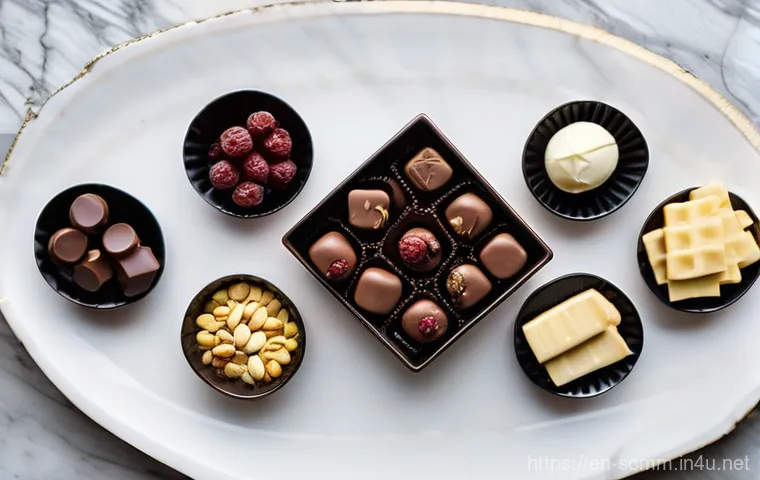
A wine and chocolate pairing isn’t just about eating and drinking; it’s a full sensory ritual. I always encourage people to slow down and really engage with each element. First, observe the chocolate: its color, its sheen, how it breaks. Then, smell it; what aromas do you detect? Is it fruity, earthy, nutty? Do the same for the wine. Then, take a small piece of chocolate, let it melt slightly on your tongue, savor its texture and flavor. Take note of the mouthfeel – is it creamy, gritty, firm? After a moment, take a small sip of wine, allowing it to mingle with the lingering chocolate. What happens? Do new flavors emerge? Does one enhance the other? Does it clash? I often find myself closing my eyes to truly focus on the flavors. It’s an incredibly mindful experience that unlocks so many hidden dimensions you might miss if you rush through it. This focused attention is where you really start to appreciate the subtleties.
The Perfect Presentation: Elevating Your Pairing Experience
You know, it’s one thing to simply eat chocolate and drink wine, but it’s another thing entirely to present them in a way that elevates the entire experience. For me, it’s not just about the flavors themselves, but about the artistry and thoughtfulness that goes into sharing them. I’ve found that even the simplest chocolates and wines can feel incredibly luxurious and special when they’re presented with a bit of flair. It shows you care, and that care is contagious, making everyone’s enjoyment just that much richer. Don’t underestimate the power of visual appeal and thoughtful touches; they really do transform a casual indulgence into a memorable event. It’s about creating an atmosphere where every sip and bite feels like a celebration, and that’s a feeling I always try to cultivate when sharing my passion.
Glassware and Serving Temperatures: Small Details, Big Impact
These might seem like minor details, but trust me, they make a HUGE difference. Serving wine at the correct temperature is absolutely critical. A red wine that’s too warm can taste flabby and alcoholic, while one that’s too cold can have its aromas muted. Similarly, white wines that are too warm lose their refreshing crispness. My personal rule of thumb for reds is just below room temperature (around 60-65°F or 16-18°C), and for whites, nicely chilled but not ice-cold (around 45-50°F or 7-10°C). And then there’s glassware! While you don’t need a different glass for every varietal, having a good quality, clear wine glass that allows the wine to breathe and concentrate its aromas at the rim can really enhance your perception of its nuances. Even for chocolate, I like to serve it at a cool room temperature, allowing it to slowly melt in the mouth and release its full range of flavors. These aren’t snobby rules; they’re simply ways to ensure you’re getting the absolute best out of what you’re enjoying.
Creative Platters: Beyond Just the Bar
When I’m setting up a wine and chocolate tasting, I love to get creative with my platters. It’s not just about placing bars of chocolate on a plate; it’s about creating a visual feast that’s as appealing as the flavors themselves. Think about adding elements that complement both the chocolate and the wine without overpowering them. A few fresh berries – raspberries, strawberries, or blueberries – can add a wonderful freshness and visual pop, especially when paired with fruit-forward wines and chocolates. Roasted nuts, like almonds or hazelnuts, can be fantastic with many darker chocolates and provide a lovely textural contrast. Sometimes, a little artisanal cheese, carefully chosen to pair with your wine, can also make a delightful appearance. The key is to keep it simple and elegant, focusing on high-quality ingredients that enhance, rather than distract from, the main stars of the show. A well-arranged platter isn’t just food; it’s a work of art, and it truly elevates the entire pairing experience.
Troubleshooting Your Taste Buds: What to Do When It Goes Wrong
Let’s be honest, not every pairing is going to be a home run. I’ve had my fair share of “what were we thinking?!” moments, and that’s perfectly okay! In fact, those less-than-perfect pairings have often been my greatest teachers. It’s how you learn, right? Don’t get discouraged if a combination doesn’t sing to your soul. Instead, view it as an opportunity to understand your palate better and refine your approach for next time. The beauty of this journey is that there are no absolute failures, only learning experiences. Every “mistake” brings you closer to discovering your truly sublime pairings. What’s important is to identify what went wrong and use that knowledge to make your next attempt even more successful. It’s all part of the fun of being a flavor explorer, and I promise you, the rewards of finding those perfect matches are absolutely worth a few detours.
When Flavors Clash: Identifying the Off-Notes
So, you’ve taken a sip and a bite, and something just isn’t right. What happened? When flavors clash, it often manifests in a few common ways: the wine might taste unusually bitter or acidic, the chocolate might seem dull or overwhelmingly sweet, or both might simply fall flat, losing their individual charm. I’ve found that the most common culprit is a mismatch in intensity or sweetness. For example, trying to pair a very dry, high-tannin red wine with a delicate milk chocolate almost always results in the chocolate tasting overly sweet and the wine feeling harsh and metallic. Or, a super-sweet dessert wine with a very bitter dark chocolate can make the chocolate taste even more intensely bitter, rather than complementing it. Take a moment to analyze what’s happening in your mouth. Is there an unpleasant dryness? Is one element completely dominating the other? Pinpointing these “off-notes” is the first step to understanding where your pairing went awry.
Adjusting Your Approach: Learning from Missteps
The good news is, learning from a less-than-ideal pairing is incredibly valuable. If your wine tasted too bitter, try pairing that chocolate with a wine that has less tannin or a touch more residual sugar. If your chocolate tasted dull, perhaps the wine was too subtle, and you need something with a bit more punch. My personal strategy is to slightly adjust just one variable at a time. So, if a Cabernet Sauvignon didn’t work with a dark chocolate, maybe try a Merlot next, keeping the chocolate the same. Or, if a milk chocolate felt overwhelmed by a sweet wine, try a lighter, fruitier Moscato instead. Don’t be afraid to experiment with different cocoa percentages, different wine regions, or even different styles of chocolate (like those with inclusions or infusions). Every “failed” experiment is actually a step forward, building your personal encyclopedia of delicious combinations and refining your palate. It’s a journey, not a destination, and every discovery is a victory!
Concluding Thoughts
As we wrap up this incredibly delicious journey into the world of wine and chocolate, I hope you feel as inspired as I do to keep exploring. Remember, this isn’t about strict rules or intimidating expert opinions; it’s about finding what truly sings on your palate and bringing a little more joy into your life. My own adventures have shown me that the most memorable pairings often come from stepping outside the box and just having fun with it. Don’t be afraid to trust your instincts, savor each bite and sip, and discover your own unique pathways to flavor harmony. Every bottle, every bar, holds a new secret waiting to be unlocked, and I truly believe that the best pairing is always the one you enjoy the most. Keep experimenting, keep tasting, and most importantly, keep sharing those wonderful moments with people you love.
Useful Information to Know
Here are a few nuggets of wisdom I’ve picked up along the way that I think you’ll find super helpful for your own pairing adventures:
1. Always aim to match the intensity of your chocolate with your wine. A delicate white chocolate will be completely overshadowed by a bold Cabernet, so go for lighter, sweeter wines with lighter chocolates, and robust, richer wines for your darkest bars. It’s about finding a delicious balance.
2. A good rule of thumb that has saved me from many a bitter sip is to ensure your wine is at least as sweet, if not sweeter, than your chocolate. This prevents the wine from tasting thin or sour next to the chocolate’s sweetness, making both elements shine beautifully.
3. Don’t underestimate the power of texture! Think about how a creamy milk chocolate feels on your tongue versus a crisp, brittle dark chocolate. Pair these textures with wines that offer a similar or complementary mouthfeel, enhancing the overall sensory experience.
4. Embrace experimentation! While guidelines are great, some of my most delightful discoveries have come from unexpected combinations. Don’t be afraid to try a sparkling rosé with a berry-infused dark chocolate or a sweet Madeira with a salty caramel. Your palate is unique, and so should your pairings be.
5. Temperature matters for both your wine and chocolate. Serve red wines slightly below room temperature and white wines chilled but not ice-cold. For chocolate, letting it come to a cool room temperature allows its full range of aromas and flavors to truly unfold as it slowly melts in your mouth.
Key Takeaways
Navigating the delightful world of wine and chocolate pairing can be incredibly rewarding when you keep a few core principles in mind. Based on my countless personal tastings and discoveries, these are the anchors that will help you create truly memorable experiences:
Balance is Everything
- Intensity Match: Always strive to pair wines and chocolates of similar flavor strength. A big, bold wine with a subtle chocolate will lead to the chocolate getting lost, and vice-versa.
- Sweetness First: The wine should ideally be sweeter than the chocolate to prevent either component from tasting bitter or harsh. This is a foundational rule that truly makes a difference in creating harmony.
- Acidity’s Role: Don’t overlook the importance of acidity in wine. It acts as a fantastic palate cleanser, cutting through the richness of chocolate and keeping the overall experience fresh and exciting, preventing any cloying sensations.
Experiment Freely
- Beyond the Obvious: While classic pairings are a great starting point, the real fun often begins when you venture into unexpected territory. Think about spicy chocolates with fruit-forward reds, or white chocolate with crisp, sweet white wines.
- Trust Your Palate: Ultimately, your personal preference reigns supreme. What one person loves, another might not, and that’s perfectly fine. Use guidelines as a springboard, but let your taste buds be your ultimate guide.
- Learn from Everything: Even pairings that don’t quite hit the mark are valuable learning experiences. They help you understand what you prefer and why certain combinations work better than others, refining your connoisseur skills over time.
Presentation Enhances Pleasure
- Ambiance Matters: A little effort in setting the scene – proper glassware, comfortable surroundings, and even some simple decor – can significantly elevate the overall tasting experience, making it feel more special.
- Optimal Temperatures: Serving both your wine and chocolate at their ideal temperatures is crucial for unlocking their full aromatic and flavor potential. It truly makes a world of difference.
- Engage All Senses: Slow down and truly observe, smell, and taste. A mindful approach to pairing allows you to appreciate the subtle nuances and discover hidden layers of flavor, turning a simple indulgence into a rich, sensory journey.
Frequently Asked Questions (FAQ) 📖
Q: I’ve tried pairing my favorite red wines with chocolate before, and it often just tastes… off. What am I doing wrong, and why does that happen?
A: Oh, my friend, you are absolutely not alone in that experience! I can’t tell you how many times I’ve heard this, or even tried it myself in my earlier days of wine and chocolate adventures.
It’s actually one of the most common pitfalls people encounter, and it comes down to a few fascinating chemical interactions. You see, many of our beloved dry red wines – think your classic Cabernet Sauvignons, Merlots, or even some Pinot Noirs – have a decent amount of tannins.
When you combine those tannins with the bitterness and sometimes high cocoa content of chocolate, especially darker varieties, it can create a rather harsh, metallic, or overly bitter taste on your palate.
It’s like a flavor clash where neither side truly shines; the wine might feel thinner and more acidic, while the chocolate becomes incredibly drying. I remember trying a really nice dry Bordeaux with a 70% dark chocolate bar once, convinced it would be divine, and instead, it felt like I was chewing on dusty cocoa powder while the wine just…
disappeared. The secret really is understanding that chocolate, with its own complex fats and sugars, demands a wine that can stand up to it without fighting.
So, if your usual go-to red leaves you underwhelmed, rest assured, it’s not you, it’s just that particular pairing dynamic at play!
Q: Okay, so if traditional dry reds are out, what kinds of wines should I be looking for to create those “unforgettable symphony of tastes”?
A: This is where the real fun begins, and trust me, there’s an entire world of incredible pairings waiting for you! My personal journey into wine and chocolate bliss really took off once I started looking beyond the usual suspects.
The general rule of thumb I’ve discovered through countless delicious experiments is to opt for wines that are either sweeter than your chocolate or possess complementary fruit-forward notes and a lower tannin profile.
Think about it: a little sweetness in the wine acts like a bridge, harmonizing with the chocolate’s richness. Port wines, for example, are a game-changer!
Their rich, often berry-driven sweetness and smooth texture are just heavenly with dark chocolate. I’m talking about a Late Bottled Vintage Port with a piece of high-quality dark chocolate – pure magic.
Or, if you’re into something a bit lighter, a Zinfandel with its jammy, fruity character can be surprisingly delightful with milk chocolate. Even a Banyuls, a sweet fortified wine from France, is a revelation.
I’ve also had amazing experiences with sparkling reds like Brachetto d’Acqui, whose effervescence and sweet red fruit notes dance beautifully with lighter chocolates or even chocolate-covered strawberries.
The key is to seek out wines with a touch of residual sugar, or those that are naturally fruit-forward and less tannic, to truly unlock those “unforgettable symphony of tastes.”
Q: Beyond just “dark chocolate,” are there specific characteristics or types of chocolate that make a pairing truly sing, and how do I identify them?
A: Absolutely! Diving deeper than just “dark” or “milk” chocolate is where you truly elevate your pairing game. It’s not just about the cocoa percentage, though that’s a great starting point.
What I’ve really learned to focus on are the flavor notes within the chocolate itself and its origin. For instance, a dark chocolate from Madagascar often has bright, fruity, almost citrusy notes, which would sing with a wine that has similar berry or citrus undertones.
In contrast, a darker chocolate from Ecuador might be earthier, more robust, perhaps with tobacco or even spice notes, calling for a different kind of wine.
Then there’s milk chocolate, which I used to think was too simple, but oh, was I wrong! A really good, creamy milk chocolate with caramel or nutty undertones can be sensational with a lighter-bodied, slightly sweet red like a Moscato Rosa or even a nutty Oloroso Sherry.
White chocolate, often overlooked, can be a fantastic canvas. Its buttery, vanilla characteristics make it surprisingly versatile with fruit-forward wines or even a crisp, aromatic sparkling wine.
My advice? Don’t just grab any bar. Look for single-origin chocolates, or those that describe their flavor profile beyond just “dark” or “bitter.” Read the packaging, explore different brands, and don’t be afraid to try smaller, artisanal chocolatiers.
The more you understand the nuances of your chocolate – its origin, its roasting profile, its unique flavor notes – the better you’ll become at finding that perfect wine partner.
It’s like being a detective for deliciousness!