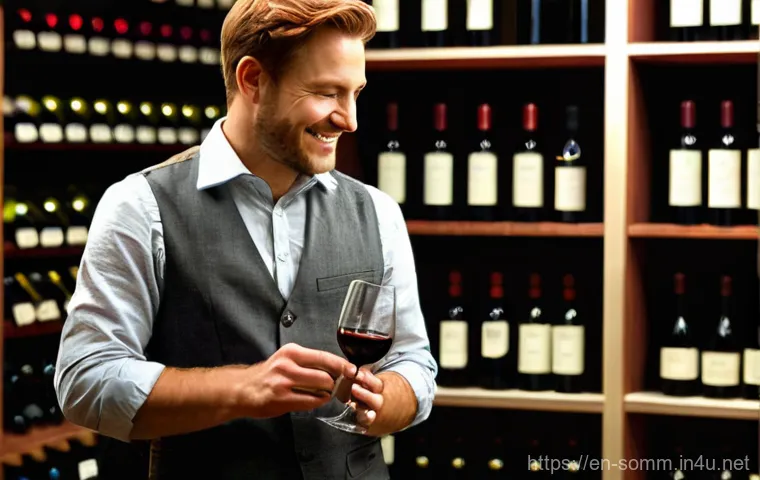
Imagine walking into a wine shop, faced with an endless array of bottles, each promising a unique story and experience. It’s a scene many of us know all too well, right?
I’ve personally found myself completely overwhelmed, trying to decipher cryptic labels and wondering if I’d ever truly pick the perfect bottle for the moment.
There’s a certain mystique around wine, and finding that ideal match for a cozy evening or a celebratory dinner can feel like searching for a hidden treasure.
That’s precisely where the unparalleled expertise of a sommelier becomes an absolute game-changer. They possess an almost magical ability to cut through the noise, translating the intricate world of vintages and varietals into genuinely delightful recommendations tailored just for you.
It’s far more than just knowing grapes; it’s about understanding your preferences, your mood, and even the story you want your wine to tell. Ready to elevate every pour and discover their tried-and-true methods?
Let’s dive deep into the fascinating insights that make a sommelier’s recommendation truly shine.
Unlocking Your Personal Palate: The Sommelier’s First Step

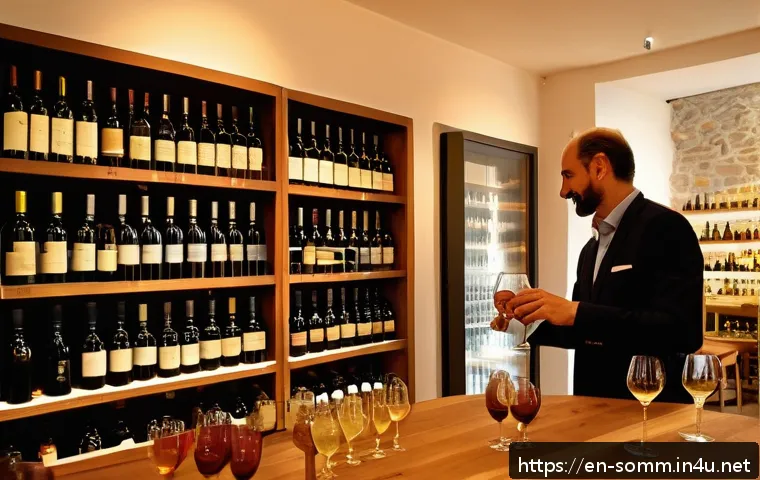
You know, the first time I really understood what a sommelier does, it was less about fancy bottles and more about genuine connection. They don’t just shove the most expensive wine at you. A true sommelier starts by getting to know *you*. They become a sort of wine detective, asking questions that might seem simple but are actually incredibly insightful. Are you a fan of bold, robust reds, or do you lean towards something lighter and fruitier? Do you prefer a crisp, refreshing white or one with a richer, buttery feel? They’re trying to build a flavor profile for you, often asking about wines you’ve enjoyed in the past. I remember one time, I hesitantly showed a sommelier a picture of a random bottle I’d liked, and they immediately understood my preference for earthy, less fruit-forward reds. It was like magic! This initial chat is crucial because it helps them navigate their vast knowledge to pinpoint exactly what will make your taste buds sing, rather than just guessing. They understand that taste is incredibly subjective, so your personal preference is always the starting point.
Beyond Basic Preferences: Delving Deeper into Your Desires
It goes beyond just red or white. A great sommelier wants to know the context of your wine experience. Are you celebrating something special? Is this a casual weeknight dinner? Or perhaps you’re just looking for an interesting bottle to explore on its own? The occasion really does dictate the vibe of the wine. For instance, a light, crisp white wine might be perfect for a summer picnic, while a bold, robust red is ideal for a cozy evening by the fireplace. I’ve found that being honest about my budget upfront, even if it feels a little awkward, always leads to a better recommendation. Sommeliers aren’t trying to upsell you; they’re trying to find the best value and enjoyment within your comfort zone. They can pinpoint those incredible, often lesser-known gems that offer fantastic quality without breaking the bank. I mean, who doesn’t love a great deal on an amazing bottle?
The Power of Descriptors: Speaking the Sommelier’s Language
Sometimes, we struggle to articulate *why* we like a certain wine, right? It’s okay! Sommeliers are masters at translating our everyday language into the nuanced world of wine. Instead of worrying about sounding “wine savvy,” just describe what you feel. Do you like wines that are “smooth,” “crisp,” “fruity,” or “dry”? Even vague descriptors help them understand your palate. I used to feel intimidated, thinking I needed to use terms like “tannins” or “terroir.” But honestly, just telling them “I like something bright and zesty” or “I prefer a wine that feels velvety” gives them a fantastic starting point. They’re trained to interpret these cues and guide you towards wines that match those sensory experiences. It’s like they have a secret decoder ring for our wine cravings!
The Culinary Dance: Pairing Wine with Your Plate
Here’s where a sommelier truly shines, transforming a meal from good to absolutely unforgettable. They don’t just think about the wine in isolation; they envision it as a partner to your food. This is something I’ve personally seen elevate so many dining experiences. The goal isn’t just to find a wine you like, but one that enhances *both* the wine and the dish, creating what some call “the third taste” – a completely new, harmonious flavor sensation. They’re looking for balance, ensuring neither the wine nor the food overpowers the other. For example, a rich, fatty dish often pairs wonderfully with a high-acidity wine, as the acidity cuts through the richness, leaving your palate refreshed. Think about how a crisp Chardonnay brightens a buttery lobster – it’s a classic for a reason!
The “What Grows Together, Goes Together” Philosophy
One of the most intriguing principles sommeliers often use is the idea that “what grows together, goes together.” It’s so simple, yet so brilliant! Wines and foods from the same region have often evolved alongside each other, creating natural, harmonious pairings. If you’re enjoying a traditional Tuscan pasta with a rich tomato sauce, an Italian Chianti is almost always going to be a fantastic match. The wine’s acidity mirrors the tomatoes, and its rustic notes complement the dish perfectly. I’ve tried this myself, pairing a robust Spanish Tempranillo with a hearty paella, and the results were phenomenal. It’s a testament to centuries of culinary and viticultural evolution, giving us a delicious shortcut to great pairings.
Beyond the Meat: Considering the Dish’s Dominant Flavors
Many of us fall into the trap of just pairing red wine with red meat and white wine with fish. While it’s a decent starting point, sommeliers know that the real magic often lies in the *dominant flavors* of a dish, not just the protein. Is there a rich, creamy sauce? Is it spicy? Does it have a citrusy kick? These elements often have a bigger impact on the wine pairing than the main ingredient itself. For instance, a duck dish with a sweet cherry sauce might call for a lighter, low-tannin red, rather than a heavy Cabernet Sauvignon. And trust me, I learned this the hard way trying to force a tannic red with a delicate lemon-herb chicken. It really does make a difference when you focus on the whole flavor profile. It’s about creating synergy, not just following outdated rules.
Navigating the Wine List with Confidence
Let’s be real, a thick restaurant wine list can feel like deciphering an ancient text! But with a sommelier by your side, it becomes an exciting journey. They’re not there to judge your choices; they’re there to guide you to something you’ll genuinely love. I used to just pick the second cheapest bottle, thinking I was smart, but a good sommelier can help you find true value and avoid overpriced options that don’t deliver. They’ll help you understand how the list is organized, whether it’s by style, region, varietal, or even ascending price. Knowing the structure instantly makes it less intimidating. They also often know about “off-menu” bottles or special selections that might be just what you’re looking for. Don’t be shy about asking questions!
Making Your Budget Work for You
One of the biggest anxieties for many people, myself included, is discussing budget. It feels awkward, right? But believe me, being upfront with your sommelier about how much you want to spend is actually incredibly helpful for them. They want to find you a wine that offers fantastic satisfaction and value within your comfortable price point. It allows them to zero in on the best options without you having to point awkwardly at a price range. Sometimes, the most delicious and interesting wines aren’t the priciest ones; they’re the ones that represent incredible value from lesser-known regions or producers. I’ve discovered some of my favorite everyday wines by simply telling a sommelier my budget and letting them work their magic.
Decoding the Details: What to Look for on the Label
While sommeliers have an encyclopedic knowledge of regions and vintages, they also know how to quickly assess a bottle’s potential. When I’m in a wine shop without a sommelier, I try to channel their wisdom. Look for hints like the importer on the back label, as good importers often signal quality. Pay attention to the region – exploring wines from regions neighboring the “classics” can often yield fantastic value. For instance, while Napa Valley Cabernet can be pricey, a well-chosen Cab from a less famous but nearby Californian AVA might be equally delicious for less. Always consider the vintage, especially for wines meant to age; a sommelier can tell you how a particular year affected the wine’s profile. These little clues, once you know what to look for, can dramatically increase your chances of picking a winner.
The Sommelier’s Secret Weapons: Beyond the Bottle
It’s easy to think a sommelier’s job begins and ends with recommendations, but their expertise runs much deeper. They’re involved in every stage, from curating the wine list to ensuring proper storage and service. I’ve learned so much just by observing how they handle wine – the correct temperature, the right glassware, even how they decant a bottle. These might seem like small details, but they profoundly impact how a wine tastes and smells. It’s truly an art form that elevates the entire dining experience. Their passion for sharing wine knowledge is infectious, and I always walk away feeling a little bit smarter about my favorite beverage.
The Art of Proper Service and Presentation
Ever notice how a sommelier gracefully presents a bottle? It’s not just for show; it’s part of ensuring you get the absolute best from your wine. Proper serving temperature is paramount. Red wines are typically served at room temperature, while whites are best chilled, but there’s a sweet spot for both, and a sommelier nails it every time. I’ve had wines that were completely transformed just by being served at the correct temperature. They also know which wines benefit from decanting, allowing them to breathe and open up, releasing their full aromas and flavors. The right glassware also makes a huge difference; different shapes enhance different wine styles. It’s these thoughtful touches that demonstrate their deep understanding and respect for the wine, making each sip a more enjoyable experience.
Building Your Own Wine Confidence: Tips from the Pros
One of the coolest things I’ve learned from sommeliers is that becoming more confident with wine isn’t about being a snob; it’s about exploration and personal enjoyment. They encourage you to trust your own palate above all else. Don’t be afraid to try wines from different regions, especially lesser-known ones, because that’s where you often find incredible value and unique flavors. Take notes when you taste a wine you love (or even one you don’t!) – it helps you develop your preferences over time. Snap a picture of the label with your smartphone; it’s a great way to remember what you enjoyed. And definitely, don’t be afraid to ask questions. There’s no such thing as a silly question when you’re exploring the vast and wonderful world of wine. It’s all about empowering yourself to find what you truly love.
Beyond Expectations: Unexpected Sommelier Insights
You know, some of the most memorable wine moments I’ve had came from recommendations that were completely outside my usual comfort zone, thanks to a sommelier’s nudge. They aren’t just about the “safe” choices; they’re also about expanding your horizons and introducing you to something new and exciting. I remember a time when a sommelier suggested a quirky indigenous grape variety I’d never heard of, and it turned out to be the perfect counterpoint to my meal. It’s those unexpected discoveries that really stick with you and show you just how much more there is to learn and enjoy. They understand that a great wine experience often involves a touch of adventure, and they’re there to guide you safely through it.
Seasonal Sips and Special Discoveries
Just like food, wine has its seasons, and sommeliers are keenly aware of this. They often curate their lists to reflect what’s currently in season, offering wines that are perfectly suited to the weather and available ingredients. Crisp, light whites and rosés might dominate in the summer, while richer, fuller-bodied reds become more prominent in colder months. I’ve found this attention to seasonality really enhances the overall dining experience, making each visit unique. Furthermore, sommeliers are constantly tasting and seeking out new producers and unique expressions of classic varietals. They might introduce you to an undervalued region that’s producing exceptional wines at an approachable price, or a small, independent winemaker with an incredible story. It’s like having a personal curator for your palate!
The Table of Taste: Quick Pairing Guide
Sometimes, you just need a quick reference, and this is where sommeliers excel at simplifying complex information. They understand the fundamental characteristics that drive successful pairings: balancing acidity, complementing sweetness, or taming tannins. Here’s a little cheat sheet I put together based on their advice, which I often keep in mind when I’m looking to make my own educated guess for a pairing at home or in a casual setting. Remember, it’s not about strict rules, but about finding harmony and what *you* enjoy!
| Wine Characteristic | Pairs Best With | Why It Works (Sommelier Insight) |
|---|---|---|
| High Acidity (e.g., Sauvignon Blanc, Pinot Grigio) | Rich, fatty foods; acidic dishes; creamy sauces | Cuts through richness, refreshes the palate, mirrors acidity in food. |
| High Tannins (e.g., Cabernet Sauvignon, Syrah) | Bold, protein-rich meats (steak, lamb); hearty stews | Tannins bind with protein and fat, softening the wine’s grip and enhancing flavors. |
| Sweet (e.g., Moscato, Riesling, Port) | Spicy foods; salty dishes; desserts (wine sweeter than dessert) | Sweetness balances heat, contrasts saltiness, and complements dessert without clashing. |
| Light-bodied (e.g., Pinot Noir, Gamay) | Lighter meats (chicken, fish); grilled vegetables; pasta with light sauces | Doesn’t overpower delicate flavors, provides a gentle complement. |
| Full-bodied (e.g., Chardonnay, Malbec) | Creamy pasta; roasted poultry; hearty, rich dishes | Matches intensity and texture, creating a seamless experience. |
This table is just a starting point, of course, but it truly illustrates how a sommelier thinks about the interplay of flavors and textures. It’s fascinating how a little knowledge can unlock so much more enjoyment from every meal and every bottle.
글을마치며
Whew! What a journey we’ve been on, demystifying the wonderful world of sommeliers and wine. I genuinely hope this dive has shown you that while wine can seem daunting, there are incredible professionals ready to make your experience richer and more enjoyable. My personal takeaway after countless conversations and tastings is that a sommelier isn’t just a gatekeeper of fancy bottles; they’re truly your personal guide, passionate about helping you discover flavors and moments that resonate with you. They transform what could be an intimidating choice into an exciting adventure, tailored precisely to your palate, your budget, and your occasion. So next time you’re faced with a wine list, remember these insights and don’t hesitate to engage with the sommelier—it might just be the start of your next favorite wine story!
알아두면 쓸모 있는 정보
1. Don’t be shy about your budget! Seriously, it’s one of the most crucial pieces of information you can share with a sommelier. They aren’t there to judge; they’re there to find the absolute best value and the most enjoyable bottle within your comfortable price range. You’d be amazed at the hidden gems they can unearth that offer incredible quality without breaking the bank. It actually helps them narrow down their vast knowledge to perfect recommendations, making both your and their experience much smoother and more rewarding.
2. Describe your cravings, not just the technical terms. Forget trying to sound like a wine connoisseur. Just tell your sommelier what kind of experience you’re looking for. Do you want something “crisp,” “earthy,” “smooth,” or “bold”? Do you prefer a wine that’s “refreshing” or “cozy”? They’re experts at translating your everyday language and feelings into specific wine profiles. I’ve often found that being honest about wanting something “just easy to drink” leads to far better suggestions than trying to use terms I’m not fully confident in, so trust your gut feelings about flavors.
3. Consider the occasion. A wine for a casual weeknight pizza is likely very different from a celebratory bottle for an anniversary dinner. Let your sommelier know the context. Is it a gift? Are you pairing it with a specific meal, or is it meant to be enjoyed on its own? This context provides invaluable clues, allowing them to recommend wines that perfectly complement the mood and purpose of your purchase, enhancing the overall experience immensely. It’s all about finding the right wine for the right moment.
4. Explore outside your comfort zone, but gently. While it’s great to have go-to wines, sommeliers love introducing people to new experiences. If you’re open to it, ask them for something “off the beaten path” that they personally love, or a wine from a less-known region that offers great value. I’ve discovered some truly spectacular wines this way, varieties I would have never picked up on my own. Just be sure to mention your general preferences (e.g., “I usually like Pinot Noir, but I’m open to something different, perhaps a lighter red from another region”).
5. Leverage online tools for personal tracking. In today’s digital age, there are fantastic apps like Vivino or Delectable that allow you to snap a picture of a wine label and quickly get information, reviews, and even track your personal ratings. While it’s not a substitute for a sommelier, it’s a great way to remember wines you’ve enjoyed (or didn’t!) and build your own personal wine diary. It helps you articulate your preferences more clearly for future sommelier conversations and can be a fun way to deepen your own wine education from home.
중요 사항 정리
Engaging with a sommelier is truly about enhancing your personal wine journey, making it less intimidating and far more enjoyable. They excel at understanding your individual palate and preferences through insightful questions, guiding you beyond basic choices to wines you’ll genuinely adore. Their unparalleled expertise in food and wine pairing can transform any meal into an unforgettable culinary experience, considering not just the protein but the dominant flavors of a dish. Furthermore, sommeliers are master navigators of extensive wine lists, helping you find exceptional value within your budget and even introducing you to exciting, unexpected discoveries. Ultimately, they empower you to build your own wine confidence by sharing their deep knowledge of proper service, presentation, and the art of wine appreciation, encouraging you to explore and trust your own taste above all else.
Frequently Asked Questions (FAQ) 📖
Q: What exactly does a sommelier do beyond just pouring wine?
A: Oh, this is a brilliant question because it gets right to the heart of their magic! Before I truly understood, I admit I thought they just fetched bottles and knew fancy names.
But a sommelier is so much more than a wine waiter; they are deeply knowledgeable guides, sensory experts, and genuine storytellers. My personal experience has shown me they possess an incredible understanding of grape varietals, regions, vintages, and how all these elements interact with food.
They can decipher a wine’s character – its aromas, flavors, texture – and brilliantly match it not just to your meal, but to your personal preferences and even your mood.
They’re like culinary detectives, solving the delightful mystery of which wine will truly make your moment sing. It’s an art form, honestly, transforming a potentially intimidating choice into a truly delightful discovery.
Q: Are sommeliers only for super expensive restaurants or fancy events, or can “regular” people benefit from their expertise?
A: I absolutely understand why you might think that! For the longest time, my mind conjured images of hushed, white-tablecloth restaurants when I heard the word “sommelier.” It’s a common misconception that unfortunately makes many people shy away from seeking their help.
But let me tell you, that’s simply not the case anymore! While they certainly shine in fine dining establishments, their expertise is becoming incredibly accessible.
I’ve seen sommeliers working in amazing, unpretentious wine bars, boutique wine shops, and even as private consultants for home cellars or casual dinner parties.
I once had a sommelier at a local wine shop recommend an absolutely stunning bottle for a simple pizza night, proving their skills transcend price tags and formality.
They are there to enhance any wine experience, making fantastic recommendations whether you’re spending a little or a lot. Don’t let perceived formality hold you back from discovering their invaluable advice!
Q: How can I make the most of a sommelier’s help without feeling intimidated or like I need to be a wine expert myself?
A: This is a fantastic question and one I hear all the time! I totally get it – approaching someone with such deep knowledge can feel a bit daunting at first.
My absolute best advice? Just be honest and open. Seriously, forget trying to impress them or sounding like a wine connoisseur; that’s their job!
Tell them what you genuinely like (and, perhaps more importantly, what you dislike!), whether it’s “I love fruity reds but really can’t stand anything too oaky” or “I’m looking for something crisp and refreshing for a warm evening, and I’m hoping to stay under fifty dollars.” Don’t ever be shy about your budget; they are professionals and want to find you the best value within your comfort zone.
I’ve personally found that the more details I share, even simple things like “I’m having grilled salmon tonight,” the more spot-on and personalized their recommendations become.
They are truly there to help you, not to judge your knowledge. Treat it like a fun conversation and an opportunity to learn and explore!