Have you ever found yourself utterly captivated by the world of wine, dreaming of a career where every bottle tells a story and every pairing is an art form?
If you’ve felt that pull, you’re not alone! Becoming a sommelier is so much more than just tasting wine; it’s a dynamic journey into an evolving culinary landscape, where expertise meets genuine passion to craft unforgettable experiences for people.
Trust me, it’s a role that demands dedication, a keen palate, and a constant thirst for knowledge, extending to spirits, beers, and even non-alcoholic beverages in today’s modern dining scene.
Whether you’re picturing yourself curating a Michelin-starred wine list or simply want to deepen your appreciation, it’s a path full of exciting challenges and incredible rewards.
Let’s dive in and uncover exactly how to begin your journey.
Discovering Your Inner Wine Enthusiast: More Than Just a Drink
The Spark: When Wine Becomes a Calling
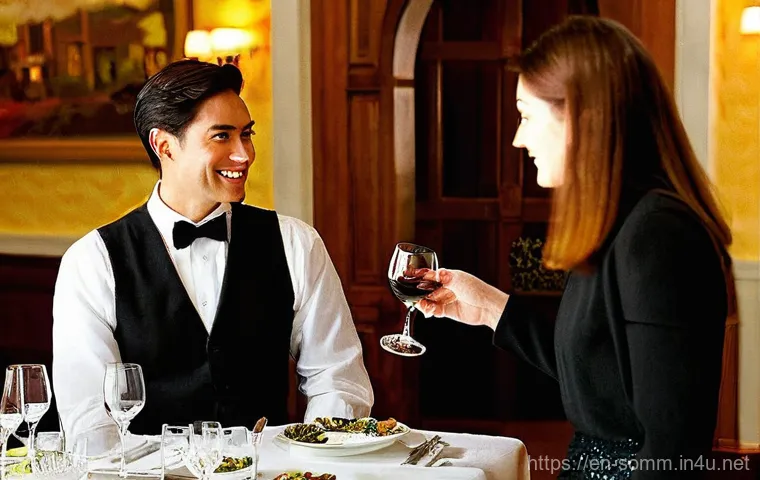
I remember the exact moment I realized wine was more than just something to enjoy with dinner. It was during a particularly delightful meal at a small Italian trattoria in San Francisco.
The sommelier, a truly charismatic individual, didn’t just recommend a wine; he wove a story around it – the sun-drenched hills where the grapes grew, the family who nurtured them, the subtle notes of cherry and earth that would perfectly complement my pasta.
I wasn’t just drinking wine; I was experiencing a piece of history, a culture, a connection. That night, something clicked for me. It wasn’t about snobbery or pretense; it was about genuine passion and the incredible ability to enhance someone’s dining experience.
If you’ve ever felt that kind of profound connection, that spark, you already have the most crucial ingredient for this journey. It’s a calling, really, not just a job.
The sheer joy of uncovering new flavors and sharing that discovery with others is incredibly rewarding. It demands an insatiable curiosity and a willingness to constantly learn, because the world of wine is vast and ever-changing, a beautiful challenge that keeps you on your toes.
Beyond the Grape: A Holistic Approach to Hospitality
It’s easy to get caught up in the romance of wine itself, but being a sommelier is about so much more than just the liquid in the bottle. It’s fundamentally a role rooted in hospitality.
Think about it: you’re there to guide, to educate, to elevate, all while making guests feel comfortable and valued. I’ve learned that the best sommeliers are not just wine experts, but also exceptional communicators, keen observers, and empathetic listeners.
You need to understand the nuances of a menu, the preferences of a diner, and even the mood of the room. It’s about creating an atmosphere where wine isn’t an intimidating mystery, but an accessible pleasure.
This holistic approach means diving deep into culinary arts, understanding different cuisines, and even appreciating the art of service itself. It’s about bringing joy and making memories, and that’s something truly special.
You’re not just serving wine; you’re serving an experience, and that’s a responsibility I’ve always taken to heart.
The Foundation: Building a Palate and Knowledge Base
Formal Education vs. Self-Taught Exploration
When I first started, I grappled with the “where do I even begin?” question, and trust me, it’s a big one. There isn’t one single right answer when it comes to formal education versus self-taught exploration, but I’ve found a balanced approach works best.
Formal education, through programs like the Court of Master Sommeliers or the Wine & Spirit Education Trust (WSET), provides an incredibly structured framework.
You learn systematic tasting, dive deep into viticulture and vinification, and grasp the complexities of wine regions worldwide. It’s like having a master key that unlocks countless doors.
However, some of the most impressive wine professionals I’ve met are largely self-taught, driven by an insatiable curiosity and countless hours spent tasting, reading, and traveling.
My personal journey blended both. I enrolled in WSET courses, which gave me the foundational knowledge and the discipline to taste analytically, but I also spent countless evenings poring over atlases, tasting every obscure bottle I could find, and even visiting local vineyards to understand the dirt beneath the vines.
Both paths require immense dedication; it’s about choosing what resonates most with your learning style.
Tasting Techniques: Unlocking the Nuances
Okay, let’s talk about the fun part: tasting! But don’t mistake it for simply drinking. Professional wine tasting is a precise and systematic process, and honestly, it’s where you truly begin to feel like a sommelier.
It’s about engaging all your senses. You visually assess the wine for clarity, color, and viscosity, which tells you so much about its age and type. Then comes the nose – oh, the nose!
This is where you develop your “aroma memory,” identifying everything from ripe berries and citrus to more subtle hints of tobacco, leather, or even petrichor after a rain shower.
I remember how frustrating it was at first, trying to discern these elusive notes. But with practice, suddenly, you start picking them up with ease. Finally, the palate: assessing sweetness, acidity, tannin, alcohol, and body, all while trying to pinpoint those aromatic notes you found earlier.
It’s a mental workout, but a hugely rewarding one. I can’t stress enough the importance of consistent practice. Join tasting groups, buy half bottles, attend seminars – the more you taste, the more your palate develops, and the more confidently you can articulate what you’re experiencing.
It’s a journey of sensory discovery that never truly ends.
Certification Pathways: Navigating the Sommelier Landscape
Deciphering the Major Sommelier Programs
Once you’ve caught the bug and started building your knowledge, the next logical step often involves certification. It’s a fantastic way to validate your skills and open doors in the industry.
The landscape can seem a bit daunting at first, with a few prominent organizations leading the charge. You’ve got the Court of Master Sommeliers (CMS), perhaps the most recognized for restaurant service, with its rigorous four-level program culminating in the coveted Master Sommelier diploma.
Their exams are legendary for their difficulty, especially the blind tasting and service portions. Then there’s the Wine & Spirit Education Trust (WSET), which offers a more academic, comprehensive curriculum spanning wine, spirits, and sake across four levels.
WSET is incredibly respected for its depth of knowledge and systematic approach. Another notable one is the Society of Wine Educators (SWE), which offers certifications like the Certified Specialist of Wine (CSW) and Certified Wine Educator (CWE), often favored by those in education or retail.
I chose to pursue both WSET and CMS because they complement each other beautifully – WSET for the breadth and depth of knowledge, and CMS for the practical, service-oriented skills.
My advice? Research each program, talk to sommeliers who hold different certifications, and decide which aligns best with your career aspirations and learning style.
Beyond the Exams: The Continuous Learning Curve
Getting certified is a huge accomplishment, and believe me, passing those exams feels absolutely incredible! But here’s the secret: the diplomas hanging on your wall are just milestones, not the finish line.
The world of wine is dynamic, constantly evolving. New regions emerge, climate change impacts vintages, winemaking techniques innovate, and consumer preferences shift.
If you stop learning after your last exam, you’ll quickly fall behind. I’ve made it a point to never truly “finish” my education. I subscribe to industry publications, follow influential critics and winemakers on social media, attend trade tastings and masterclasses whenever possible, and, most importantly, I taste constantly.
I seek out unfamiliar varietals, explore wines from emerging regions, and challenge my palate with styles I might not typically gravitate towards. It’s about cultivating an insatiable curiosity.
This continuous learning isn’t just about staying current; it’s about deepening your understanding, refining your palate, and ultimately, becoming a more insightful and authoritative resource for your guests.
It’s a lifelong passion, and that’s what makes it so incredibly engaging.
Real-World Experience: From Cellar to Floor
Getting Your Hands Dirty: Entry-Level Restaurant Roles
While books and classes provide the theoretical backbone, the real education often happens on the restaurant floor. You simply cannot become a truly effective sommelier without getting your hands dirty, and I mean literally!
My journey started not with a sommelier title, but by working as a back waiter, then a server, and eventually as a wine runner or cellar assistant. These entry-level roles might not sound glamorous, but they are absolutely invaluable.
You learn the rhythm of service, the pressure of a busy night, and the delicate dance of customer interaction. I spent countless hours in the cellar, organizing bottles, updating inventory, and learning the delicate art of decanting properly.
This isn’t just grunt work; it’s foundational. It teaches you discipline, attention to detail, and a deep appreciation for the physical demands of the job.
You observe experienced sommeliers in action, soaking in their techniques for recommending wines, handling difficult guests, and working seamlessly with the kitchen team.
Trust me, the theory comes alive when you’re lugging cases of wine up stairs or trying to find that one obscure bottle for a demanding guest during a Saturday night rush.
This hands-on experience builds grit and resilience, which are just as important as knowing your grand crus.
Mentorship Matters: Learning from the Masters
One of the most impactful parts of my professional growth has undoubtedly been the mentors I’ve had along the way. I truly believe that finding someone who has walked the path before you and is willing to share their wisdom is a game-changer.
A great mentor doesn’t just teach you about wine; they teach you about the business, about hospitality, and about navigating the inevitable challenges of the industry.
I was incredibly fortunate to work under a head sommelier early in my career who pushed me beyond my comfort zone but also provided unwavering support.
He taught me the subtle art of reading a guest, how to present a wine list effectively, and even the psychology behind making a perfect recommendation.
He let me shadow him, involved me in inventory management, and challenged my tasting skills. Don’t be afraid to seek out these relationships. Approach experienced professionals, ask insightful questions, and show genuine eagerness to learn.
Attend industry events, introduce yourself, and express your admiration for their work. Mentors can offer invaluable guidance, open doors to opportunities you might not otherwise find, and provide that crucial encouragement when you feel overwhelmed.
It’s a truly symbiotic relationship that can accelerate your development exponentially.
Mastering the Art of Service: Beyond Just Pouring
Reading the Room: Crafting Personalized Experiences
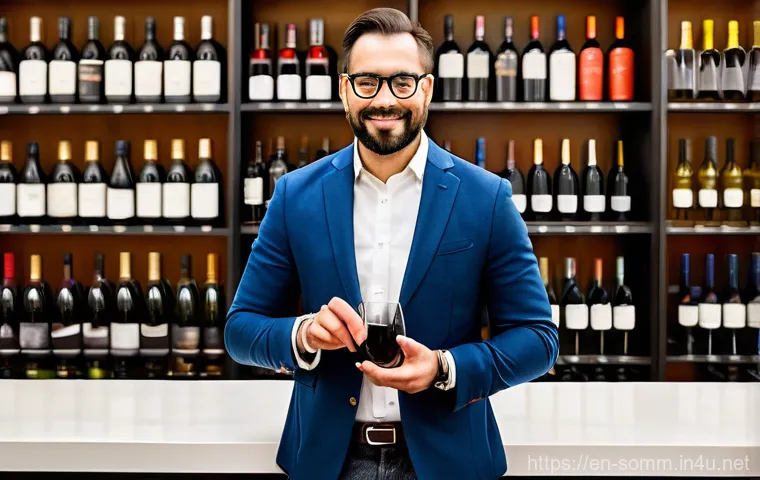
This is where the true artistry of being a sommelier shines through. It’s not about memorizing facts; it’s about connecting with people. And to do that effectively, you have to be a master at “reading the room” and, more importantly, reading your guests.
When I approach a table, I’m not just thinking about wine. I’m observing their body language, listening to their conversation, noting what they’ve ordered, and trying to gauge their mood and their level of wine knowledge.
Are they celebrating a special occasion and looking for something truly extravagant? Or are they new to wine and need a gentle introduction? Perhaps they’re seasoned collectors who want to test your expertise.
My goal is always to make them feel comfortable and understood, not intimidated. I’ve found that asking open-ended questions like, “What flavors do you typically enjoy?” or “Are you in the mood for something familiar or an adventure tonight?” works wonders.
It’s about tailoring the recommendation to *their* preferences and budget, not just showing off your knowledge. This personalized approach fosters trust and transforms a simple meal into an unforgettable experience.
That’s the real magic of it, making people feel seen and heard through the power of a perfect pairing.
The Business Acumen of a Sommelier
While the romantic image of a sommelier involves swirling and sniffing, the reality is that a significant part of the role, especially in higher-level positions, involves serious business acumen.
It’s not just about selecting great wines; it’s about managing a profitable program. This means understanding inventory control, negotiating with distributors, managing costs, and forecasting sales.
I’ve spent countless hours diving into spreadsheets, analyzing pour costs, and strategizing on how to optimize our wine list for both guest satisfaction and restaurant profitability.
For instance, knowing which wines have good markups without sacrificing quality or value for the guest is a delicate balance. You’re also responsible for staff training, ensuring your team is knowledgeable and confident in selling wine.
This business side might not be what draws everyone to the profession initially, but it’s absolutely critical for success and career progression. A sommelier who can demonstrate both excellent wine knowledge and strong financial management skills is an invaluable asset to any establishment.
It’s about blending passion with pragmatism, ensuring the wine program not only excites but also contributes significantly to the restaurant’s bottom line.
Staying Ahead of the Curve: Trends and Evolution
The Rise of Natural Wines and Sustainable Practices
The wine world, like any vibrant industry, is constantly evolving, and staying current with trends isn’t just a recommendation; it’s a necessity. One of the most significant shifts I’ve witnessed and actively embraced is the rise of natural wines and a broader focus on sustainable, organic, and biodynamic practices.
Gone are the days when these were niche interests; they are now mainstream, driven by consumer demand for transparency, authenticity, and environmental consciousness.
Guests are increasingly asking about where their wine comes from, how it’s made, and its environmental footprint. As sommeliers, we have a responsibility to not only understand these movements but to be able to articulate their nuances to our guests.
This means tasting a lot of natural wines, understanding the philosophies behind minimal intervention winemaking, and being aware of certifications like organic and biodynamic.
It’s a fascinating, sometimes challenging, but ultimately enriching area to explore, and I’ve personally found immense satisfaction in discovering producers who are genuinely committed to these principles.
It allows us to offer wines with a deeper story, connecting the guest not just to the taste, but to the land and the people behind the bottle.
Spirits, Beer, and Non-Alcoholic Pairings: The Modern Sommelier
The role of a sommelier has expanded dramatically beyond just wine, and frankly, I love it! The modern dining scene demands a broader expertise, encompassing spirits, craft beers, and even sophisticated non-alcoholic beverages.
Guests are savvier than ever, and their preferences are diverse. I’ve spent considerable time deepening my knowledge of whiskies, gins, and artisanal spirits, understanding their production methods, flavor profiles, and ideal pairings.
The craft beer revolution means you also need to be able to guide guests through a curated beer list, explaining different styles and suggesting harmonious combinations with food.
What’s truly exciting, though, is the burgeoning world of non-alcoholic options. High-quality non-alcoholic spirits, craft sodas, and innovative mocktails are no longer afterthoughts.
They’re becoming integral to the dining experience, and guests who choose not to drink alcohol still deserve a thoughtful and engaging pairing. This expansion of the sommelier’s scope makes the job incredibly dynamic and keeps you constantly learning.
It’s about ensuring every guest, regardless of their beverage choice, has an exceptional and tailored experience.
The Rewards of the Glass: A Fulfilling Career
Personal Growth and Professional Recognition
Beyond the daily hustle and the endless pursuit of knowledge, a career as a sommelier offers incredible personal growth and opportunities for professional recognition that are truly fulfilling.
I’ve found that the discipline required to study, taste, and perform under pressure has sharpened my critical thinking skills and boosted my confidence in ways I never imagined.
It teaches you resilience, adaptability, and the art of precise communication. There’s an immense satisfaction that comes from mastering a craft and being recognized for it.
Whether it’s passing a challenging exam, curating a critically acclaimed wine list, or simply receiving a heartfelt thank you from a guest for a perfect recommendation, these moments are incredibly rewarding.
The sommelier community is also wonderfully supportive. I’ve forged lasting friendships and professional relationships with people from all walks of life, united by a shared passion for wine.
This network is a source of continuous inspiration, learning, and collaboration. It’s a career where your efforts are tangible, and the continuous journey of improvement yields immense personal and professional dividends.
Connecting Through the Bottle: Building Relationships
For me, one of the most profound rewards of being a sommelier is the opportunity to connect with people on a deeply human level. Wine, at its heart, is about stories, culture, and shared experiences.
When you recommend a bottle, you’re not just selling a product; you’re facilitating a moment, whether it’s a celebration, a quiet contemplation, or a lively discussion.
I’ve had countless memorable interactions with guests, from guiding a couple through their first taste of an aged Bordeaux to helping someone find the perfect wine to commemorate an anniversary.
These aren’t just transactions; they’re opportunities to build rapport, share a passion, and even forge genuine relationships. I’ve had guests return specifically to talk wine with me, to share their latest discoveries, or just to ask for another recommendation.
These connections, built over shared appreciation and trust, are what make the long hours and demanding work truly worthwhile. It’s a privilege to be part of someone’s dining experience, and to use the beautiful medium of wine to bring a little extra joy and meaning to their table.
| Sommelier Skill Category | Key Components | Why It Matters for Guests |
|---|---|---|
| Wine Knowledge | Regions, Grapes, Vintages, Producers, Production Methods | Accurate and diverse recommendations, satisfying curiosity, matching preferences. |
| Palate & Tasting | Blind Tasting, Aroma & Flavor Identification, Quality Assessment | Ensuring wine quality, describing wines vividly, identifying flaws. |
| Service & Hospitality | Table-side Etiquette, Decanting, Pairing, Guest Psychology, Communication | Seamless, elegant, and personalized dining experience, feeling valued and understood. |
| Business Acumen | Inventory Management, Cost Control, Vendor Relations, Menu Development | Well-curated wine list, fair pricing, availability of desired wines, restaurant profitability. |
| Continuous Learning | Staying Current with Trends, New Regions, Spirits, Non-Alcoholic Options | Offering cutting-edge selections, adapting to diverse guest requests, fresh experiences. |
Wrapping Up Our Journey
Whew, what a ride it’s been! From that initial spark of curiosity to navigating the intricate world of grapes and certifications, the path to becoming a sommelier, or simply a deeply knowledgeable wine enthusiast, is truly a transformative one. It’s more than just mastering facts or deciphering labels; it’s about cultivating a profound connection to culture, history, and, most importantly, to people. I hope sharing my own experiences has given you a clearer picture of this challenging yet incredibly rewarding journey. Remember, the glass is always half full when it comes to learning and discovery in the world of wine.
Useful Information You’ll Love
1. Start your sensory training early! Even if you’re just beginning, consciously paying attention to aromas in your everyday life—fruits, spices, fresh earth after a rain—will incredibly sharpen your palate for wine tasting. It’s like building a flavor library in your mind, and you’ll be amazed at how quickly you start recognizing subtle notes in a glass of wine.
2. Don’t be shy about asking questions when you’re dining out. Approach the sommelier, if there is one, and let them know your preferences or simply that you’re eager to learn. A good sommelier loves to share their knowledge and can provide invaluable insights tailored to your tastes, often suggesting hidden gems you wouldn’t discover otherwise.
3. Explore local wine shops and their tasting events. These are fantastic, low-pressure environments to try a variety of wines, meet fellow enthusiasts, and often chat directly with producers or importers. I’ve found some of my favorite small-batch wines and learned so much from these casual, community-driven experiences.
4. Keep a simple tasting journal. You don’t need fancy templates; just jot down the wine’s name, vintage, producer, and a few descriptive words about what you see, smell, and taste. Over time, this becomes an incredible personal reference that tracks your palate’s evolution and helps you articulate your preferences more precisely.
5. Embrace food pairing experiments at home. Don’t just stick to the classics! Try unexpected combinations with different wines you enjoy. Sometimes the most delightful discoveries come from playful experimentation, and it’s a fantastic way to understand how food and wine truly interact, enhancing both elements.
Key Takeaways for Your Wine Journey
Embarking on a deep dive into the world of wine, whether professionally or as a passionate hobbyist, is fundamentally a journey fueled by unyielding curiosity and a genuine love for discovery. What truly sets a remarkable wine enthusiast or sommelier apart isn’t just a vast repository of knowledge, but a profound commitment to continuous learning and an open-minded approach to the ever-evolving landscape of viticulture and enology. It’s about recognizing that every bottle holds a story, every region offers a unique narrative, and every tasting presents an opportunity to refine your sensory perception. Moreover, remember that the heart of this profession lies in hospitality – the ability to connect with individuals, understand their desires, and elevate their experience through thoughtful recommendations and engaging conversation. This blend of expertise, empathy, and an adventurous spirit not only enriches your own understanding but also allows you to share that joy and passion with countless others, turning simple sips into memorable moments.
Frequently Asked Questions (FAQ) 📖
Q: What exactly does a sommelier do in today’s dynamic culinary world, beyond just pouring wine?
A: Oh, that’s such a great question, and one I get all the time! Honestly, the role of a sommelier has evolved so much from the classic “wine waiter” image.
Today, it’s about being a true beverage expert and a key player in the dining experience. Think of us as curators and storytellers. My days, for example, often start long before service begins, delving into new wines, assessing their quality, and, crucially, thinking about how they’ll complement our menu.
We’re responsible for crafting and maintaining the entire wine list – sometimes hundreds of bottles! – which means constant tasting, researching, and negotiating with suppliers to ensure we have exciting, delicious, and well-priced options for our guests.
But it’s not just about wine anymore. A modern sommelier, especially in a top-tier establishment, will also have a deep understanding of spirits, beers, and even non-alcoholic pairings.
During service, my main joy is interacting with guests. It’s about more than just recommending a bottle; it’s about understanding their preferences, their budget, and what they’re eating, then guiding them to something that will genuinely enhance their meal.
I love seeing their eyes light up when I introduce them to a perfect pairing they might never have considered. We also train the rest of the restaurant staff on wine knowledge and service, ensuring everyone can speak confidently about our offerings.
It’s a demanding job, often involving long hours, physical work moving cases of wine, and constant learning to keep up with an ever-evolving industry, but it’s incredibly rewarding when you help create a memorable experience.
Q: How long does it actually take to become a sommelier, and what are the typical steps involved?
A: This is where it gets interesting because there isn’t just one single path, and the timeline really depends on how deep you want to go! Many aspiring sommeliers start by self-educating, reading everything they can, tasting as many wines as possible, and visiting wineries.
This foundational knowledge is crucial. After that, gaining hands-on experience in the hospitality industry is absolutely vital. You could start as a server in a wine-focused restaurant or a wine bar.
This “boot camp” phase, as I like to call it, teaches you the practicalities of service, guest interaction, and the flow of a busy dining room, which no textbook can truly replicate.
From there, most people pursue formal certifications. The two most recognized paths are typically through the Court of Master Sommeliers (CMS) or the Wine & Spirit Education Trust (WSET).
Introductory Levels: You can often achieve an introductory certification (like CMS Introductory or WSET Level 1/2) within six months to a year with dedicated study.
These courses give you a solid theoretical base and teach structured tasting. Certified/Advanced Levels: Moving up to Certified Sommelier (CMS) or WSET Level 3 usually takes more time – think a year or two of focused study, tasting, and accumulating more real-world service experience.
The exams get tougher, often including blind tastings and practical service components. Master Levels: Reaching the pinnacle, like Master Sommelier (CMS) or WSET Diploma/Master of Wine, is a monumental undertaking.
We’re talking years, sometimes a decade or more, of relentless study, tasting thousands of wines, and deep industry experience. Only a few hundred Master Sommeliers exist worldwide!
So, while you can get certified at an introductory level fairly quickly, truly becoming a seasoned sommelier, especially one recognized for deep expertise and authority, is a lifelong journey of learning and experience.
Q: Is becoming a sommelier a financially rewarding career, and what are the potential opportunities beyond the restaurant floor?
A: I totally understand why you’d ask about the financial side – it’s an investment, both in time and money, to pursue this path! And yes, it absolutely can be financially rewarding, especially as you climb the certification ladder and gain experience.
While entry-level sommelier roles might start in the $40,000-$50,000 range annually, a Certified Sommelier can expect to make around $60,000-$70,000. For Advanced Sommeliers, it can jump to $70,000-$100,000, and Master Sommeliers can command salaries upwards of $150,000 to $190,000, making them some of the highest-paid professionals in the service industry!
Keep in mind, these figures can vary a lot by location, the type of establishment, and your level of experience. Some sommeliers also earn a portion of wine sales or tips, which can significantly boost their income.
But here’s the exciting part – the world of a sommelier extends far beyond just working in a restaurant. Many of my peers have branched out into incredible roles:
Wine & Beverage Directors: Overseeing entire beverage programs for hotel groups, resorts, or larger restaurant collectives, including cocktails and spirits.
Wine Educators/Consultants: Teaching classes, hosting private tastings, developing wine programs for other businesses, or providing expert advice. I know Certified Sommeliers who charge $300 a day for consulting!
Wine Retail & Distribution: Working as buyers, sales representatives, or brand ambassadors for importers, distributors, or high-end wine shops. Wine Writing & Media: Sharing their knowledge through articles, books, or even building a strong online presence (much like what I’m doing here!).
Winery Roles: Working in sales, marketing, or hospitality directly for a winery. The key is that the deep knowledge and refined palate you develop as a sommelier are highly valued across the entire wine and hospitality industry.
It’s a career that continually offers new avenues for growth and passion, particularly if you’re proactive about networking and exploring diverse opportunities.