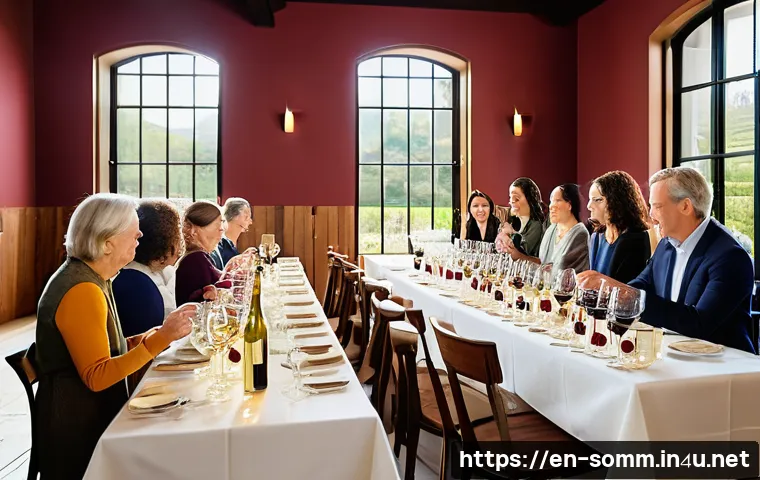
You know, there’s something truly magical about gathering with fellow enthusiasts to explore the world of wine. I still remember the first time I joined a local wine tasting group here in our city – it completely transformed my appreciation for every sip.
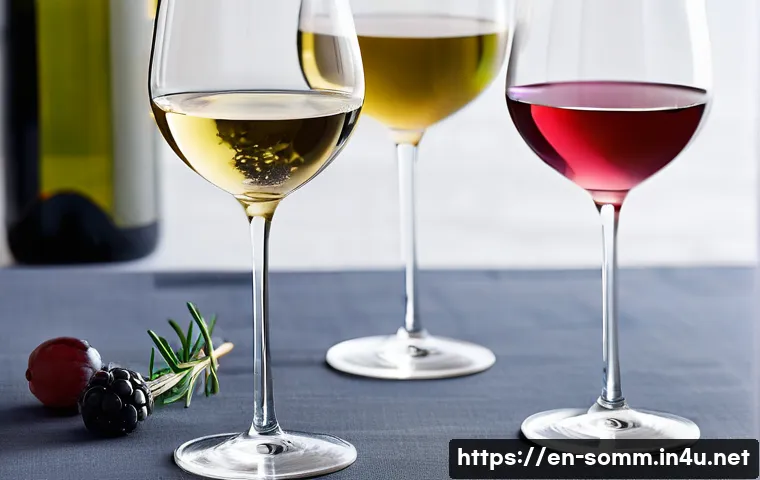
It’s not just about swirling and sniffing; it’s about sharing stories, discovering hidden gems, and truly connecting with the intricate nuances of each bottle.
If you’ve ever wondered how to dive into this vibrant community or elevate your palate beyond basic reds and whites, you’re in for a treat. Ready to discover how these groups can totally transform your wine appreciation?
I’ll give you the full scoop!
Beyond the Bottle: Discovering Your Personal Wine Journey
You know, for the longest time, I thought wine tasting was just for super serious connoisseurs, the ones who could rattle off vintage years and soil compositions without batting an eye. But joining a wine tasting group completely flipped that perception on its head. It’s not about being an expert when you start; it’s about the shared journey of discovery, the “aha!” moments when a new aroma hits you just right, or when you finally understand why a certain wine pairs perfectly with a specific dish. I still remember my very first blind tasting – I was convinced I was drinking a high-end Cabernet, only to find out it was a surprisingly affordable Merlot from a region I’d never even considered. That experience was such a game-changer because it taught me to trust my own palate and not just rely on labels or price tags. It’s truly liberating to explore wines without preconceived notions, letting your senses guide you. These groups create a safe and supportive space to experiment, ask “silly” questions, and truly deepen your appreciation for every single pour, transforming casual sips into thoughtful experiences.
Uncorking New Flavors and Regions
One of the most thrilling aspects of being part of a wine group is the sheer breadth of wines you get to try. My own group often has themed nights – one month it might be “Hidden Gems of Portugal,” the next “Sparkling Wines Beyond Champagne.” This intentional curation means you’re constantly exposed to varietals and regions you might never pick up on your own at the local liquor store. I’ve found incredible value in exploring lesser-known appellations, stumbling upon wines that offer incredible quality for a fraction of the price of their more famous counterparts. It’s like having a personal sommelier curating your wine list every month, pushing you gently out of your comfort zone and into a world of delightful surprises. These experiences have refined my palate in ways I never thought possible, allowing me to identify subtle notes of leather, tobacco, or even exotic spices that I used to completely miss.
Developing Your Palate Like a Pro
Let’s be real, when you’re just starting out, “notes of black cherry and a hint of cedar” can sound a bit intimidating, right? But in a group setting, deciphering those tasting notes becomes a fun, collaborative puzzle. We often share our initial impressions, and it’s fascinating how one person’s “dark chocolate” might be another’s “espresso bean.” Through these discussions, you start to build your own vocabulary for taste and aroma, and suddenly, those complex descriptions in wine magazines start to make perfect sense. I remember struggling to distinguish between different oak treatments, but after a few group sessions specifically focused on oak-aged vs. unoaked wines, it clicked! The shared learning environment, complete with guided tastings and peer feedback, accelerates your palate development significantly, turning you from a casual drinker into someone who can confidently articulate what they’re enjoying – or not enjoying!
Forging Connections: The Social Tapestry of Wine
Beyond the exquisite sips and fascinating discoveries, one of the most rewarding aspects of joining a wine tasting group is the community it builds. In our increasingly digital world, finding genuine, in-person connections can sometimes feel like a rare vintage. But a wine group offers just that – a wonderful excuse to gather with like-minded individuals, share stories, and build lasting friendships, all while enjoying a glass (or two!). I’ve personally met some of my closest friends through my wine group, people from all walks of life whom I might never have encountered otherwise. We’ve celebrated birthdays, supported each other through life’s ups and downs, and even planned wine-themed trips together! It’s incredible how a shared passion for wine can create such a rich social tapestry, extending far beyond the tasting table. These gatherings become a highlight of my month, a chance to unwind, laugh, and truly connect on a deeper level than just surface-level pleasantries. It truly transforms a simple hobby into a vibrant social life.
Networking and Shared Passions
It’s not just about making friends; a wine group can also be an amazing networking opportunity, often in the most relaxed and enjoyable way possible. I’ve seen members connect on professional projects, offer career advice, or even discover new business opportunities, all stemming from casual conversations over a glass of Pinot Noir. It’s a testament to the power of shared interests – when people are engaged and enjoying themselves, they’re more open to connecting on multiple levels. One member of my group, a fantastic sommelier, has even offered us private tours and exclusive discounts at local vineyards, which has been an absolute treat. These groups truly foster a sense of camaraderie and mutual support, proving that the best connections often bloom in the most unexpected and delightful settings, especially when there’s good wine involved.
Creating Lasting Memories and Traditions
Think about it: how many of your social gatherings truly create memorable experiences that you look forward to year after year? For me, our wine group has become a source of cherished traditions. We have an annual “mystery wine” challenge every holiday season where everyone brings a blind bottle, and we try to guess everything about it – varietal, region, price point. The laughter and good-natured competition are priceless. There’s also our summer rosé picnic, which has become an institution! These aren’t just one-off events; they’re woven into the fabric of our lives, creating a sense of anticipation and belonging. These shared moments, filled with delicious wines and even better company, are truly what make the experience invaluable. It’s more than just drinking wine; it’s about crafting a life rich with enjoyable rituals and unforgettable stories.
Decoding the Art of Tasting: Etiquette and Techniques
When I first joined, I felt a little intimidated by all the swirling, sniffing, and spitting. It felt like there was a secret code to unlock to truly “get” wine. But honestly, it’s far less complicated than it seems, and learning the basics makes the entire experience so much more enjoyable and insightful. Our group leader, bless her heart, spent an entire evening walking us through the “five S’s” of tasting: See, Swirl, Sniff, Sip, and Savor. It wasn’t about rigid rules, but about maximizing our sensory experience. For example, simply observing the color and clarity of a wine can tell you so much about its age or varietal. And the swirling? It’s not just for show! It helps release those beautiful aromas, allowing them to truly bloom in the glass. It’s like learning the proper way to hold a paintbrush before you start creating a masterpiece; understanding the techniques allows for deeper appreciation and expression.
The Five S’s: A Practical Guide
Let’s break down the fundamentals that really enhanced my own tasting journey. First, See: Hold your glass against a white background (like a napkin) and observe the wine’s color and clarity. Is it deep ruby, pale lemon, or a vibrant purple? This can hint at the grape and age. Second, Swirl: Gently swirl the wine in your glass. This introduces oxygen, opening up the aromas. You’ll also notice “legs” or “tears” clinging to the glass, which some believe indicates alcohol content or viscosity. Third, Sniff: Take a deep inhale just above the rim of the glass. What initial aromas do you detect? Fruit? Earth? Spice? Then, take another sniff after swirling for those deeper, more nuanced notes. Fourth, Sip: Take a small sip and let it roll over your entire palate. Notice the texture, acidity, sweetness, and tannins. What flavors emerge? And finally, Savor: Pay attention to the finish – how long do the flavors linger? What aftertastes remain? This systematic approach truly unlocks the full story of the wine.
Common Tasting Terms You’ll Hear
When you’re in a wine group, you’ll inevitably hear terms like “tannic,” “acidic,” “oaky,” or “fruit-forward.” Don’t worry if they sound like a foreign language at first! These terms are simply ways to describe specific characteristics of the wine. For instance, “tannic” refers to the drying sensation you feel in your mouth, often found in red wines like Cabernet Sauvignon. “Acidic” wines, like many Sauvignon Blancs, make your mouth water. “Oaky” means the wine has spent time in oak barrels, picking up notes of vanilla, toast, or spice. “Fruit-forward” wines are dominated by fruit flavors, as opposed to earthy or savory notes. Understanding these common descriptors not only helps you communicate your own impressions more effectively but also helps you understand what others are experiencing, enriching the entire dialogue and making you feel much more confident in your own assessments.
Smart Sips: Maximizing Your Wine Budget
Let’s be honest, wine can get expensive, especially if you’re trying to explore a wide variety. But one of the most practical benefits I’ve discovered through my wine group is how to be a truly savvy shopper without sacrificing quality. Before joining, I often felt pressured to buy wines based on flashy labels or recommendations from friends who might have a completely different palate than mine. Now, I have a trusted network of fellow enthusiasts who share their honest opinions and fantastic finds. We often do “value tastings,” where we compare wines at different price points from the same region or varietal to see if the more expensive bottle truly justifies its cost. And more often than not, we discover incredible bottles that offer tremendous bang for your buck, proving that a high price tag doesn’t always equal a better experience. This collective wisdom is truly invaluable for anyone looking to enjoy great wine without breaking the bank, transforming how I approach every purchase.
Unearthing Hidden Gems
One of the most exciting aspects of our budget-focused discussions is unearthing those “hidden gem” wines. These are often from lesser-known regions, smaller producers, or sometimes even alternative varietals that haven’t yet reached the mainstream hype (and corresponding price hike!). My group recently had an amazing tasting of Grüner Veltliner, an Austrian white wine, and everyone was blown away by its crispness and versatility, especially given its affordable price point compared to, say, a premium Sancerre. It’s like having a team of dedicated treasure hunters, constantly on the lookout for the next great value bottle. This collective knowledge allows us to confidently venture beyond the well-trodden paths of popular wines and discover true quality that might otherwise go unnoticed.
Smart Strategies for Saving
Beyond just finding affordable wines, being part of a group also teaches you smart strategies for saving. For example, we often pool resources for bulk purchases, getting better deals on cases of wine from local retailers or direct from vineyards. We also share tips on sales, promotions, and even how to properly store wine to ensure it lasts longer, preventing spoilage and wasted money. I’ve learned about online wine clubs that offer curated selections at a discount, and local wine shops that have fantastic loyalty programs. It’s truly a collaborative effort to ensure everyone in the group is getting the best possible value for their investment, making premium wine accessible without needing a premium budget.
Hosting Your Own: Bringing the Tasting Experience Home
After experiencing the magic of organized wine tastings, you might feel inspired to host your own. Trust me, it’s a fantastic way to share your newfound passion with friends and family, and it’s far easier than you might imagine! I remember my first time hosting; I was a nervous wreck, convinced I needed fancy stemware and a sommelier’s vocabulary. But what I quickly learned is that the most important ingredients are good company, a few interesting bottles, and an open mind. It doesn’t have to be formal or intimidating; it can be as casual as a themed potluck where everyone brings a bottle from a specific region, or a blind tasting where you try to guess the varietals. The joy truly comes from the shared experience and the conversations that flow as freely as the wine. It’s an opportunity to curate your own unique wine adventure, tailored perfectly to your guests and your own interests.
Setting the Scene: Ambiance and Essentials
Creating the right atmosphere for your tasting doesn’t require a huge budget or elaborate decorations. Think comfort and functionality. Make sure you have enough clean glasses for each person (ideally one per wine, or at least one good quality all-purpose glass they can rinse). White tablecloths or placemats are excellent for observing wine color. Provide water for rinsing glasses and palate cleansing (crackers or plain bread work wonders too). Don’t forget a spit bucket – it might sound unglamorous, but it’s crucial for serious tasting and ensures everyone can participate fully without overindulging. Soft lighting, some gentle background music, and comfortable seating will set a relaxed and inviting tone, making everyone feel at ease and ready to explore the wines.
Choosing Your Theme and Wines
The most fun part of hosting is choosing a theme! This helps narrow down your wine selection and gives guests a focal point. You could do a “vertical tasting” comparing different vintages of the same wine, or a “horizontal tasting” of wines from the same vintage but different producers in the same region. “Old World vs. New World” is always a hit, comparing, say, a French Chardonnay to a Californian one. Or, keep it simple: “Wines of Italy” or “Unexpected Reds.” For the wines themselves, aim for 3-5 bottles. Too many can lead to palate fatigue. Try to select wines that offer a good contrast – perhaps a lighter white, a richer white, a lighter red, and a more robust red. This variety keeps things interesting and provides ample opportunity for comparison and discussion.
Beyond the Glass: Exploring Food and Wine Pairings
Oh, the glorious world of food and wine pairing! This is where my wine journey truly elevated from a simple appreciation to a culinary adventure. Before joining my group, my pairing philosophy was pretty basic: red with meat, white with fish. But through countless discussions and potluck dinners, I’ve learned that the possibilities are endless and often delightfully surprising. It’s not just about matching colors; it’s about understanding how different elements in wine – acidity, sweetness, tannins, body – interact with flavors and textures in food. A truly great pairing can elevate both the dish and the wine, creating a synergy that’s more than the sum of its parts. I remember a particularly mind-blowing experience when we paired a dry Riesling with spicy Thai food – the wine’s acidity and a hint of residual sugar perfectly cut through the heat, enhancing all the aromatic spices. It’s a continuous learning process, and every successful pairing feels like a little victory in flavor harmony.
Principles of Pairing: The Basics
There are a few key principles that can guide you, though remember, personal preference always wins! Generally, you want to match the intensity: delicate wines with delicate foods, bold wines with bold dishes. Acidity in wine loves fatty foods, as it cleanses the palate. Sweet wines famously pair well with desserts, but also surprisingly with salty foods. Tannins in red wine are softened by rich proteins like steak, as they bind to the protein, reducing the drying sensation. Also, consider complementary versus contrasting flavors. A vibrant Sauvignon Blanc might complement the fresh herbs in a salad, while a Port might contrast beautifully with a sharp blue cheese. It’s about balance and enhancing the overall dining experience, making each bite and sip more enjoyable.
Popular Pairings for Your Next Dinner
Here’s a little table I put together with some classic (and a few unexpected) pairings that my group has loved over the years. These are fantastic starting points for your own culinary experiments!
| Wine Type | Classic Food Pairing | Unexpected Delight |
|---|---|---|
| Cabernet Sauvignon | Grilled Steak, Lamb Chops | Dark Chocolate Mousse |
| Sauvignon Blanc | Goat Cheese Salad, Oysters | Spicy Asian Noodles |
| Pinot Noir | Salmon, Roasted Chicken | Mushroom Risotto |
| Chardonnay (Oaked) | Lobster with Butter, Roast Turkey | Creamy Chicken Korma |
| Riesling (Dry) | Pork Chops, Sushi | Spicy Tacos |
| Prosecco/Sparkling | Fried Chicken, Popcorn | Potato Chips, Sushi |
These pairings are just the tip of the iceberg, of course. The real fun comes from experimenting and discovering what *you* love. Don’t be afraid to break “rules” – if it tastes good to you, then it’s a great pairing!
The Digital Vine: Online Resources for Wine Lovers
While there’s absolutely nothing like the camaraderie of an in-person wine tasting group, the digital world offers an incredible bounty of resources that can complement and enhance your wine journey. I’ve found that tapping into these online communities and tools has deepened my understanding, helped me discover new wines, and even connected me with enthusiasts beyond my local area. From detailed wine encyclopedias to interactive tasting apps and bustling forums, the internet has truly become an indispensable tool for any modern wine lover. It’s like having a global network of wine experts and fellow adventurers right at your fingertips, ready to share knowledge, recommendations, and even commiserate over a corked bottle. Leveraging these digital tools has really expanded my horizons, ensuring that my learning and exploration never stop, even when I’m not physically with my tasting group.
Apps for Tracking and Discovery
My absolute favorite digital tool is a wine tracking app. I use one religiously to log every wine I taste – whether it’s at a group meeting, a restaurant, or just a bottle I open at home. It allows me to snap a photo of the label, add my own tasting notes, give it a rating, and even see what others are saying about it. This has been a game-changer for remembering wines I’ve loved (or disliked!) and for discovering similar bottles based on my preferences. Many of these apps also offer food pairing suggestions and give you an idea of average prices. It’s like having a personal wine journal that also acts as a knowledgeable friend, guiding your future purchases and helping you articulate your experiences more clearly.
Online Forums and Communities
Beyond the apps, online forums and social media groups dedicated to wine are vibrant hubs of information and discussion. I’ve joined a few fantastic communities on platforms like Reddit and Facebook, where I can ask questions, share my own experiences, and learn from experts and enthusiasts around the globe. These groups often host virtual tastings, recommend reputable online retailers, and even organize bottle exchanges. It’s a wonderful way to broaden your perspective and get recommendations for wines that might not be readily available in your local area. The diversity of opinions and experiences shared in these digital spaces is truly enriching, making you feel part of a much larger, global wine community.
Beyond the Hype: Understanding Wine Investment and Value
Okay, let’s talk about something that often comes up in our wine group: the perceived value and even investment potential of certain bottles. It’s a fascinating area that goes beyond just taste, delving into market trends, provenance, and the sometimes-mysterious world of fine wine futures. While most of us are simply enjoying our wine, understanding these aspects can add another layer of appreciation (and sometimes, a little financial savviness) to your hobby. I used to think all expensive wines were just status symbols, but I’ve learned that often, the price reflects meticulous craftsmanship, rarity, and the wine’s ability to age gracefully, developing incredible complexity over decades. It’s not about turning every bottle into a financial asset, but rather about making informed decisions, whether you’re buying a special occasion bottle or just curious about why certain wines command such high prices.
Factors Influencing Wine Value
What makes one bottle cost $20 and another $2,000? There are several key factors. First, Provenance: where the wine comes from, the reputation of the vineyard, and the specific terroir (soil, climate, aspect) all play a huge role. Grand Cru vineyards in Bordeaux or Burgundy, for example, are known for producing consistently exceptional wines. Second, Vintage: the quality of the grape harvest in a particular year. Some years are simply better than others due to weather conditions. Third, Rarity: limited production, cult status, or the wine being from a small, exclusive plot can drive prices up significantly. Fourth, Age-worthiness: wines designed to age often have a higher initial price due to their potential to develop greater complexity and value over time. Lastly, Critical Acclaim: high scores from influential wine critics can certainly boost a wine’s desirability and price.
Buying for Enjoyment vs. Investment
Most of us buy wine to drink and enjoy, and that’s perfectly fine! However, it’s interesting to know that a small percentage of wines are bought purely for investment. These are typically very high-end, rare, and age-worthy bottles from top regions and producers. If you’re considering buying wine as an investment, it’s a completely different ball game than buying for consumption. You need to consider proper storage (cellaring), market trends, auction houses, and potentially even specialized wine brokers. For the rest of us, understanding these principles simply helps us appreciate why certain bottles are priced the way they are and allows us to make more informed choices when we’re splurging on that extra special bottle for a celebration, knowing a little bit more about the story and value behind it.
You know, looking back, it’s truly amazing how much my own wine journey has evolved, much like a fine wine itself. What started as a timid curiosity has blossomed into a full-blown passion, enriched by every new varietal, every shared laugh, and every insightful discussion within my wine group.
It’s not just about what’s in the glass anymore; it’s about the connections forged around it, the confidence gained in trusting my own palate, and the sheer joy of continuous discovery.
I genuinely hope that sharing my experiences has sparked a similar sense of adventure in you, encouraging you to uncork your own potential for appreciation and connection.
Remember, the world of wine is vast and wonderfully welcoming, offering endless opportunities to learn, grow, and savor life’s truly exquisite moments.
So go ahead, take that next sip, join that group, or host that casual tasting – your personal wine story is just waiting to unfold, promising richness far beyond the bottle itself.
Handy Tips for Your Wine Adventure
Here are a few nuggets of wisdom I’ve picked up along my own path, which I truly believe can make your wine journey even more rewarding:
1. Don’t be afraid to dive in and join a local wine tasting group. Seriously, it’s one of the best decisions I ever made! The camaraderie, shared knowledge, and diverse selections you’ll encounter are absolutely invaluable for developing your palate and broadening your horizons. Plus, you’ll meet some truly wonderful people who share your enthusiasm, turning a simple hobby into a vibrant social experience. It’s a fantastic way to accelerate your learning and feel more confident with every pour, creating lasting memories along the way.
2. Always trust your own senses above all else. Forget the fancy labels, the lofty price tags, or even what a critic *says* you should taste. Your palate is unique, and your enjoyment is paramount. If you love a wine, then it’s a good wine for *you*. Use descriptions as a guide, but always let your personal experience be the ultimate arbiter of quality and pleasure. It’s about cultivating your own taste, not conforming to someone else’s definition of ‘good’.
3. Actively seek out lesser-known varietals and regions. It’s tempting to stick to the familiar, but some of the most exciting discoveries happen when you venture off the beaten path. Portugal, Austria, and certain parts of Eastern Europe, for instance, are producing incredible wines that often offer exceptional quality for a fraction of the price of their more famous counterparts. You’ll be amazed at the hidden gems waiting to be uncorked, adding thrilling new dimensions to your wine collection.
4. Leverage the amazing online resources available today. From wine tracking apps that help you remember what you liked (and why!) to vibrant online forums where you can ask questions and get recommendations from a global community, these digital tools are indispensable. They can guide your purchases, deepen your understanding, and connect you with fellow enthusiasts, ensuring your learning never stops, even when you’re on the go. I truly wish I had started using these earlier!
5. Consider hosting your own casual tasting event at home. It doesn’t need to be formal or complicated. Gather a few friends, pick a simple theme (like “wines under $20” or “a specific grape varietal”), and just enjoy the process of exploring together. It’s a wonderfully intimate way to share your passion, encourage discussion, and create new memories without any pressure. Plus, it’s fantastic practice for refining your own tasting notes and pairing skills in a relaxed environment.
Key Takeaways to Remember
Ultimately, what I’ve truly come to understand and cherish about wine is its incredible power to enrich life on so many levels. It’s a journey of sensory discovery, personal growth, and profound connection, far more than just what’s poured into your glass. Embrace the learning, savor the moments, and never stop exploring the endless nuances that the world of wine has to offer. Whether you’re a seasoned enthusiast or just starting out, there’s always something new to learn, a new friend to meet, and a new flavor profile to fall in love with, making every single sip a step further along your unique and endlessly rewarding adventure.
Frequently Asked Questions (FAQ) 📖
Q: So, I’m totally intrigued by this idea! But how on earth do I actually find a good wine tasting group in my area without feeling completely lost?
A: Oh, I totally get that feeling! When I first dipped my toes into the wine tasting world, I felt a bit like I was searching for a hidden treasure map. The good news is, it’s actually way easier than you think!
My absolute go-to move is usually a quick online search. Try terms like “wine tasting groups [your city/town name]” or “local wine clubs [your region]”.
You’d be amazed what pops up. I’ve personally found fantastic groups through platforms like Meetup.com – they’re brilliant for connecting with people who share your passion.
Don’t forget to check out local wine shops and even specialty grocery stores; they often host their own tastings or have bulletin boards where local groups advertise.
Sometimes, just asking around at your favorite local bistro or wine bar can lead you to a secret gem. You know, word-of-mouth is still king in these tight-knit communities!
And hey, don’t be shy about jumping into a few different ones at first to see which vibe clicks with you the best. You’ll know it when you find your people!
Q: This sounds amazing, but honestly, I’m a complete wine newbie. I barely know the difference between a Cabernet and a Chardonnay! Will I just look silly if I join a group, or is it okay for beginners?
A: My friend, that is perhaps the most common question I hear, and let me tell you, it’s absolutely, 100% okay to be a beginner! Seriously, I remember my early days, swirling my glass and trying to look knowledgeable while secretly just hoping I wouldn’t spill anything!
What I’ve found in every group I’ve ever joined is that they are incredibly welcoming and encouraging, especially to newcomers. No one expects you to be a sommelier.
The beauty of these groups is that everyone, from seasoned collectors to absolute novices, is there to learn, share, and enjoy. You’ll find that people are genuinely thrilled to share their knowledge, and honestly, sometimes the fresh perspective of a newbie is exactly what sparks a new conversation or discovery.
It’s truly a judgment-free zone where your palate will grow alongside your friendships. Don’t let a little bit of inexperience hold you back from such a rich and rewarding experience; we all start somewhere, right?
Q: Okay, I’m almost convinced! But what exactly goes on at these wine tasting events? Is it just people sniffing and sipping, or is there more to it?
A: nd what are the real benefits I can expect beyond just getting to try new wines? A3: Oh, it’s so much more than just sniffing and sipping, though there’s plenty of that delightful action too!
From my experience, every group has its own unique flair, but generally, you can expect a fantastic blend of education, exploration, and pure enjoyment.
We often have themed nights – maybe focusing on wines from a specific region like Tuscany or comparing different varietals like Pinot Noirs from around the world.
Blind tastings are a huge favorite; they’re such a fun way to truly test your senses without any preconceived notions. Sometimes we even pair wines with different foods, which is an absolute revelation for understanding how food and wine dance together.
Beyond the actual wine, the benefits are truly profound. I’ve made some of my closest friends in these groups, people who share a genuine curiosity for life’s finer details.
You’ll find your palate becoming incredibly refined, picking up notes you never even knew existed. It’s a confidence booster, honestly, as you learn to articulate what you’re tasting and smelling.
It transforms wine from just a drink into a captivating journey of discovery. It truly enriches your life in ways you might not expect – think of it as an ongoing, delicious adventure!