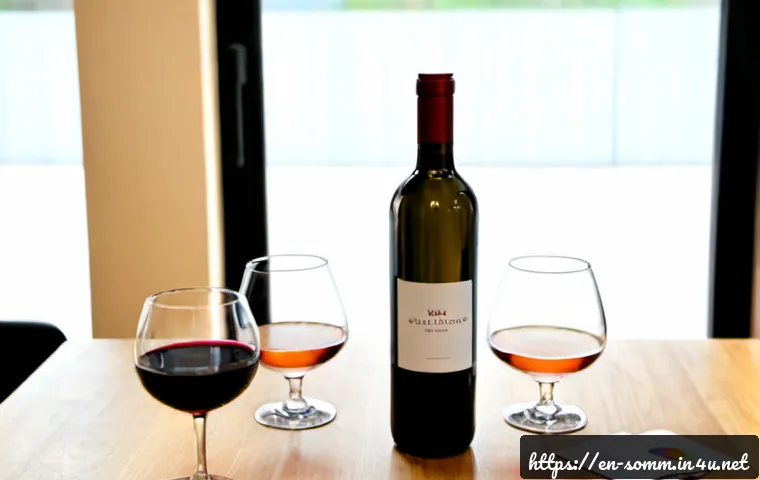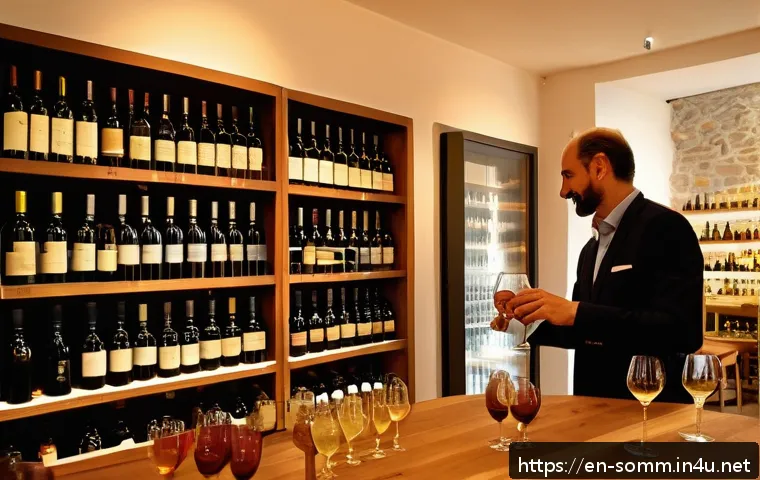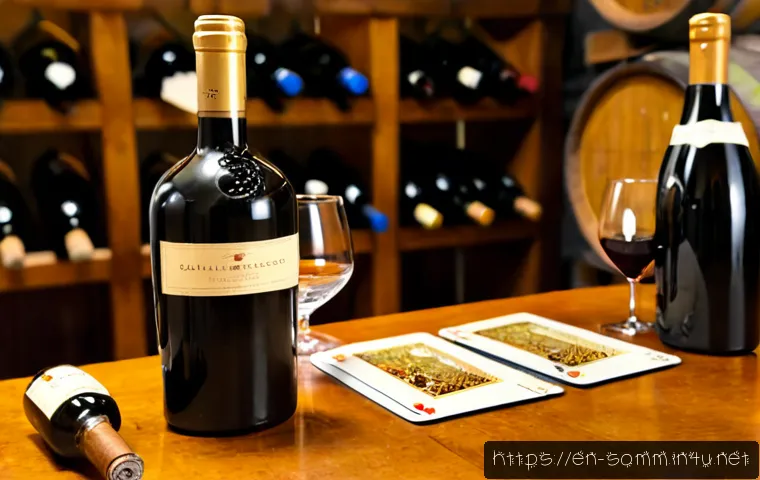
Vintage matters most when climate variation, producer consistency, and the intended drinking window point in the same direction. A celebrated harvest is useful context, but it is never a guarantee that every bottle will be outstanding.
For sommeliers, vintage knowledge helps with wine list selection, cellar purchases, guest conversations, and replacement planning. The practical goal is not to memorize every vintage chart, but to weigh the year against producer quality, vineyard site, bottle condition, and price.
This makes buying decisions more defensible and recommendations more useful at the table. Wine education materials, producer notes, and cellar-management records can turn broad vintage knowledge into a reliable working system.
At a Glance
- Vintage is the year in which the grapes used for a wine were harvested, and it can reflect growing-season conditions.
- Vintage differences often matter more where weather varies, but producer, vineyard site, and storage may matter just as much—or more.
- Buy and recommend wine by combining vintage reputation with price, maturity, provenance, and the role the bottle must play on the list.
| Buying Situation | What to Prioritize | Vintage Role | Main Risk to Check |
|---|---|---|---|
| Variable-climate region | Growing-season character, producer record, and drinking window | Often more visible | Assuming a regional reputation applies to every producer |
| More consistent warm, dry climate | Producer style, vineyard site, and list fit | May be less decisive | Overpaying for the year rather than the bottle |
| Early-drinking purchase | Freshness, immediate appeal, and replenishment availability | Useful but not the only guide | Buying more age than the guest or program needs |
| Cellar-worthy purchase | Structure, provenance, storage history, and future list role | Important alongside producer quality | Ignoring bottle condition or replacement cost |
What a Vintage Tells a Sommelier—and What It Does Not
The harvest year as a clue to climate and grape development
A vintage refers to the year in which the grapes used to make a wine were harvested. That year can offer a useful clue about the growing season: weather may influence grape ripeness, acidity, yields, disease pressure, and harvest timing. In practical service terms, a vintage can help explain why two releases of the same wine may show a different balance of fruit, freshness, or development.
It is still only a clue. A sommelier should avoid treating a date on the label as a complete quality judgment. The useful question is not simply, “Was this a great year?” It is, “What did that year mean for this producer, this vineyard, and this wine style?”
Why producer, vineyard, and bottle storage can outweigh a famous year
A broad regional reputation does not erase individual decisions. Vineyard site, farming practices, producer choices, and storage conditions can significantly influence the finished wine. This is especially important for older bottles, where provenance and storage history may have a major effect on what reaches the guest’s glass.
A famous vintage may attract demand, but it does not guarantee that every producer performed equally well. Conversely, a less celebrated harvest can still produce compelling wine from a careful producer with a strong site. For wine buying, this is where producer technical notes, merchant guidance, and professional tasting education become more useful than a headline alone.
Three-line service takeaway for recommending wine with confidence
First: use vintage to frame the wine’s likely character, not to promise a result. Second: consider who made it, where it was grown, and how it was stored. Third: match the bottle’s apparent maturity and style to the guest’s expectations rather than selling prestige for its own sake.
How to Evaluate Vintage Importance by Region and Wine Style
Variable-climate regions: when weather differences can be more visible
Vintage variation tends to matter more in regions with variable weather. Changes in the growing season may affect ripeness, acidity, disease pressure, yields, and harvest timing, so wines from one harvest can differ meaningfully from those of another. This does not mean every wine from such a region should be purchased according to a vintage chart. It means the chart deserves a closer look, followed by producer-level research.
For a restaurant wine list, the best practice is to ask whether the vintage character supports the wine’s intended role. A wine chosen for lively, immediate drinking may call for a different selection approach than a bottle intended to show bottle-aged complexity.
Reliable-climate regions: why producer and site may be the better guide
In consistently warm, dry climates, vintage differences may be less decisive than in more variable conditions. Here, producer style and vineyard site may provide a stronger starting point for selection. A buyer should still read the vintage, but should not assume the year alone explains quality, readiness, or value.
This is a useful safeguard for beverage managers. If the list needs a recognizable house style, stable guest experience, or dependable food-pairing profile, it may be more productive to compare producers and current stock than to chase a widely discussed harvest.
Still wine, sparkling wine, fortified wine, and non-vintage blends
Still wines may be sold as single-vintage wines and can show harvest variation clearly. Some wines are made for early drinking, while others may develop additional complexity with bottle age. The intended drinking window should shape whether the sommelier emphasizes youth, freshness, maturity, or cellar potential.
Non-vintage wines can blend wines from multiple harvest years to pursue a consistent house style. For guests seeking a dependable profile, and for by-the-glass programs requiring stable replenishment, this can be a practical advantage. Sparkling and fortified wines should also be assessed by their individual production approach, labeling rules, and intended style rather than by a blanket assumption about vintage importance.
Vintage declaration rules vary by country and appellation. Always check the label and the relevant producer or appellation information before making a specific claim about what a vintage statement means.
Comparison table: vintage sensitivity, aging potential, and buying risk
| Wine Context | Likely Focus for the Sommelier | Aging Question | Buying Risk |
|---|---|---|---|
| Vintage wine from a variable-weather area | Growing season plus producer performance | Is the wine intended for early drinking or further development? | Using regional reputation as a substitute for producer research |
| Wine from a more consistent climate | Site and producer style | Does the bottle’s current condition fit the list? | Giving the vintage more weight than the producer |
| Older bottle | Provenance, fill level, closure, and storage history | Has bottle age added complexity or introduced uncertainty? | Assuming age itself guarantees quality |
| Non-vintage blend | Consistency of house style and current release | Is immediate service the main goal? | Dismissal based solely on the absence of a vintage year |
From Vintage Reputation to Real Buying Value
Matching bottle price to expected quality rather than headline reputation
Wine value is not the same as vintage fame. Retail and restaurant pricing can vary by market, allocation, taxes, storage costs, and producer demand. A sought-after year may command a higher price, but the buyer still needs to decide whether the expected quality, maturity, and list position justify that difference.
Use price as a decision point, not proof of quality. Compare the bottle with alternatives that solve the same problem: a mature red for a collector, a fresh white for a seafood pairing, or a recognizable by-the-glass option. The strongest purchase is the one that meets the program’s need without relying on prestige alone.
When a less celebrated harvest can offer stronger list value
A less celebrated harvest may offer stronger value when the producer is reliable, the wine suits the intended drinking window, and the price makes sense for the restaurant’s list structure. This can be particularly useful when guests want authenticity and character rather than a famous year printed on the label.
Do not present this as a universal bargain rule. Critics, merchants, and regional specialists may disagree on vintage quality, and individual bottles can vary. The point is to compare the actual offer rather than rejecting a wine because its vintage has less publicity.
Allocation, replacement cost, and margin considerations for restaurant programs
For restaurant purchasing, an attractive bottle must also be workable. Consider allocation availability, replacement cost, and replenishment reliability. A limited bottle may be appropriate for a collector-focused section, but less suitable for a core list position that needs continuity.
Cellar-management tools can help track vintage changes, inventory movement, purchase history, and available replacements. This gives the team a clearer basis for deciding whether a wine can remain on the list, move to a reserve section, or be replaced by a similar style.
When to seek merchant guidance, producer technical notes, or professional tasting education
Seek additional guidance when the purchase depends heavily on age, provenance, or a claimed vintage reputation. Producer technical notes may clarify the harvest and production approach. A knowledgeable merchant can provide context on storage and current availability. Structured wine education courses and professional certification materials can also help sommeliers build a repeatable tasting and buying vocabulary.
Use these resources to improve questions, not to outsource judgment. A buyer should still compare the wine’s price, condition, intended use, and replacement options.
A Practical Tasting and Service Workflow
Check the label, provenance, fill level, closure, and storage clues

Before opening an older bottle, inspect what can be observed. Confirm the label and vintage, then consider provenance, fill level, closure, and storage clues. These details are especially important for mature wines because storage history can significantly influence condition.
If key background information is unavailable, communicate uncertainty appropriately. A mature label and a respected vintage do not remove the need for careful handling and realistic expectations.
Compare freshness, structure, fruit profile, and development at the table
At service, assess the wine in terms the guest can understand: freshness, structure, fruit profile, and signs of development. Some wines are designed for early drinking, while others may gain additional complexity with bottle age. The goal is not to force the wine into a vintage stereotype, but to describe what is present in the glass.
For staff training, a simple service note can be more useful than a long score-based description. Record how the wine performed, how guests responded, and whether the bottle fulfilled its list role. Over time, this creates practical cellar knowledge that a broad chart cannot provide.
Explaining vintage variation to guests without overstating certainty
Try language such as: “This is from a different harvest, so it may show a slightly different balance from the release you had before.” If a guest asks whether a year is “better,” explain that weather can influence a vintage, while producer choices and bottle condition also matter.
This approach is informative without pretending certainty. It also keeps the conversation focused on the guest’s preference: immediate fruit, freshness, texture, or more developed notes from bottle age.
Common mistakes: treating charts as guarantees and ignoring bottle condition
The most common mistake is treating a vintage chart as a guarantee. Charts can be useful starting points, but they cannot confirm the quality of every producer or every bottle. Another costly mistake is overlooking provenance and storage history when evaluating older wine.
A third mistake is confusing popularity with suitability. A highly sought-after vintage may not be the best choice for a guest who wants a predictable, early-drinking wine or for a by-the-glass program that needs reliable replenishment.
Recommendations by Guest Need, Cellar Goal, and Service Setting
Guests seeking immediate pleasure and predictable style
For guests who want immediate pleasure, prioritize a wine designed for early drinking and suited to their preferred style. A recent release may be appropriate when freshness is the goal, but the producer and the wine’s actual condition remain more important than age alone. Non-vintage wines can also be useful when a consistent house style is the priority.
Collectors looking for maturity and secondary complexity
For collectors seeking maturity, focus on wines that may develop additional complexity with bottle age. Then verify the factors that matter most for older bottles: provenance, storage history, fill level, and closure condition. Avoid promising an exact drinking window, since readiness depends on the wine, producer, bottle format, storage history, and personal taste.
By-the-glass programs needing consistency and reliable replenishment
By-the-glass programs need more than a compelling vintage story. They need consistency, availability, staff confidence, and a reasonable replacement path. A non-vintage alternative may be a strong fit when the goal is a recognizable style across service periods. For vintage wines, keep inventory records current and prepare a comparable replacement before the final bottles are poured.
Food-pairing decisions when a wine is youthful, mature, warm-year, or cool-year in character
Use the glass in front of you. A youthful wine may show a different profile from a mature example, and variations in ripeness or freshness can affect pairing choices. Rather than making a fixed claim based on the year, taste for balance and structure, then match the wine to the dish accordingly.
This is also a helpful guest-facing approach: explain the wine’s current character and why it suits the food, instead of relying on a reputation that may not describe the individual bottle.
Selection Criteria and Comparison Summary
Use vintage as one factor in a five-point buying checklist: price, producer record, drinking window, provenance, and list role. Compare the cost of a sought-after year with wines that offer a similar guest experience, and consider whether the bottle can be replaced if demand is strong. Paying more may be justified when the producer, bottle condition, maturity, and program role all support the decision. It may not be justified when the premium rests mainly on broad vintage reputation. For detailed purchasing criteria, wine education resources, cellar inventory systems, and professional buying materials, check the relevant provider pages before committing to a purchase or subscription.
In Closing
Vintage knowledge is most valuable when it improves a real decision: what to buy, when to serve it, and how to describe it honestly. The year on the label can explain part of a wine’s story, but it should be read alongside the producer, vineyard, storage history, and intended use. A disciplined sommelier does not dismiss vintage charts; they use them as a starting point. The final recommendation should fit the bottle, the budget, and the guest.
Useful Things to Know
1. Non-vintage does not mean inferior; it may indicate a blend intended to maintain a consistent house style.
2. Older wines deserve extra attention to provenance and storage history.
3. Vintage declaration rules can vary by country and appellation.
4. A wine designed for early drinking should not be judged by the same expectations as a cellar-focused bottle.
Important Considerations
Vintage quality opinions can differ among critics, merchants, and regional specialists. Exact drinking windows cannot be determined from vintage alone because the wine, producer, bottle format, storage history, and personal taste all matter. Pricing also varies by market conditions, allocation, taxes, storage costs, and demand. Confirm current bottle condition and purchasing terms before making a cellar or restaurant buying decision.
Frequently Asked Questions
Q1. How important is vintage when buying wine for a restaurant list?
A1. Vintage can be important, particularly in regions with variable weather, but it should be evaluated with producer quality, price, availability, drinking window, and replacement options. For a restaurant list, the best bottle is one that fits the program and can be explained clearly to guests.
Q2. Is it worth paying more for a highly rated vintage?
A2. It can be worth paying more when the producer record, bottle condition, maturity, and intended list role support the premium. A highly regarded year alone does not guarantee better value, and pricing can vary by market, allocation, storage costs, and demand.
Q3. Should sommeliers recommend older vintages to every guest?
A3. No. Older vintages may suit guests looking for maturity and additional complexity, but some guests prefer freshness, fruit, and immediate energy. Older bottles also require closer attention to provenance, storage history, fill level, and closure condition.