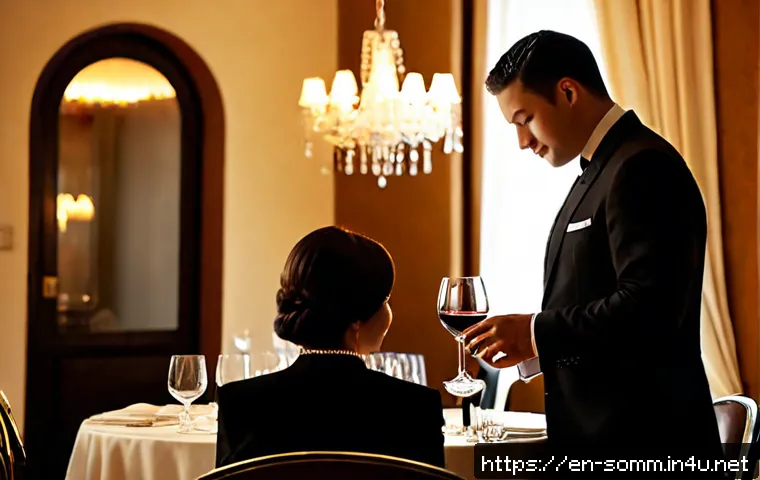
A sommelier adds the most value when wine selection, service, inventory, and guest expectations need to work together. For a smaller or simpler operation, focused staff training or a wine consultant may be more practical than a full-time hire.
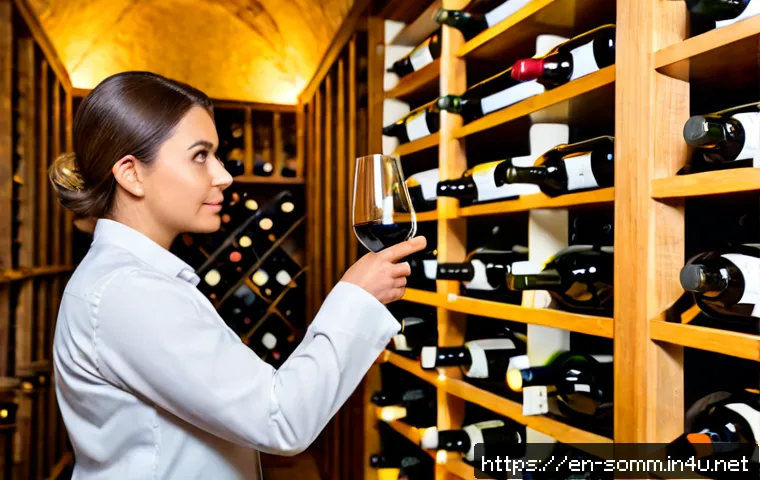
The right choice depends on menu complexity, wine demand, storage capacity, and how confidently the team can discuss and serve wine. Restaurant wine consulting, wine education programs, and cellar management services can each solve a different operational problem.
The goal is not simply to build a larger list, but to create a wine program that staff can maintain and guests can understand.
At a Glance
- A sommelier can support wine selection, purchasing, storage, service, food pairing, and guest guidance.
- Full-time support is not always necessary; consulting, supplier support, or internal wine training may fit a venue better.
- A useful wine program needs regular list review, staff confidence, practical storage, and controlled inventory.
| Option | Best Decision Factor | Practical Strength | Main Limitation |
|---|---|---|---|
| Full-time sommelier | Consistent wine service and complex inventory needs | Ongoing ownership of purchasing, service, training, and list maintenance | May not suit a smaller operation with limited wine demand |
| Wine consultant | Need for setup, redesign, or occasional expert review | Can help create a list, storage process, training plan, or purchasing framework | Day-to-day execution remains with the internal team |
| Supplier-supported program | Simple purchasing needs and active supplier relationships | Useful for product information and portfolio access | May not provide a complete independent wine strategy |
| Internal staff training | Smaller list and service team willing to learn | Builds more consistent guest communication and service habits | Needs regular refreshers as menus, vintages, and staff change |
The Practical Role of a Sommelier in a Modern Wine Business
The short answer: expertise that connects wine selection, service, and business goals
A sommelier is a wine professional who can connect the guest-facing side of wine service with the operational side of a wine business. That may include selecting bottles, purchasing from suppliers, managing storage, recommending food pairings, and helping guests make choices. In a restaurant, the role also involves communication with the culinary team, front-of-house staff, management, and suppliers.
The practical value is coordination. A wine list can look impressive but still underperform if it does not match the menu, local guest expectations, staff knowledge, or available storage. A sommelier helps bring those moving parts into one workable system.
Core responsibilities across purchasing, storage, pairing, and guest communication
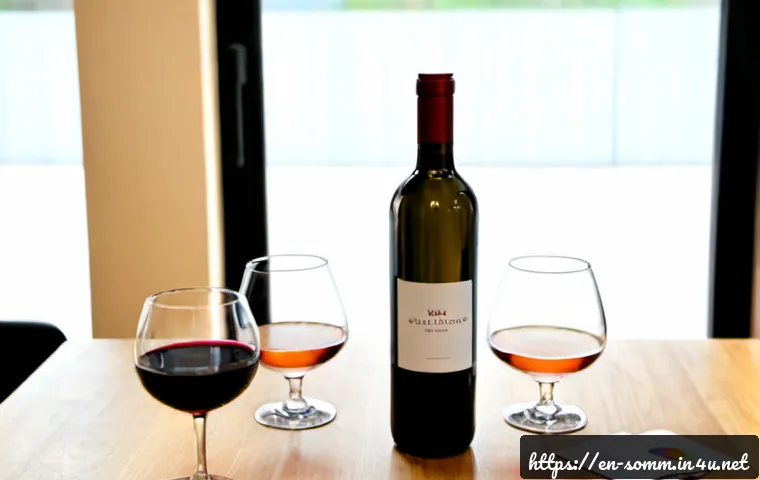
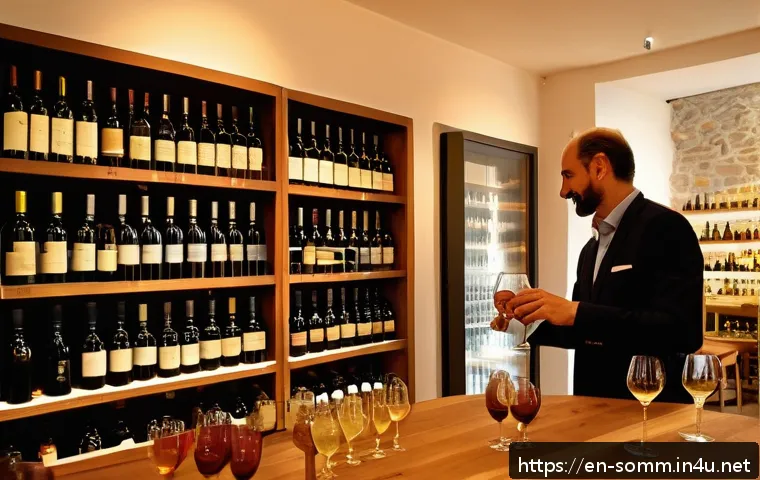
Wine work often starts before a bottle reaches the table. A sommelier may review supplier portfolios, assess whether wines fit the menu, monitor vintage changes, and help avoid selections that are difficult to explain or sell. They may also guide food pairing, serving temperatures, glassware choices, and clear guest communication.
Storage is another important area. Proper wine storage depends on temperature stability, light exposure, vibration, humidity, and bottle position where applicable. Even a modest wine program benefits from a clear process for receiving bottles, organizing stock, and monitoring what is ready to serve.
What a sommelier does not replace: licensing, accounting, and operational leadership
A sommelier does not replace business leadership, alcohol licensing compliance, accounting, or local pricing requirements. Those responsibilities remain with the appropriate owners, managers, and qualified professionals. A wine specialist can inform decisions, but each venue must check local alcohol service rules, tax treatment, and pricing regulations for its jurisdiction.
Where Sommeliers Create Value for Restaurants, Hotels, and Retailers
Building a wine list that matches the menu and customer expectations
A useful list is not necessarily a large list. It should reflect the food, the service style, and the type of guest the business wants to serve. Fine dining may require deeper pairing options and more detailed tableside guidance. A casual restaurant may benefit more from a concise list with recognizable styles, approachable descriptions, and choices at several price points.
Review the wine list regularly. Availability, vintages, supplier portfolios, menu offerings, and guest preferences can all change. A list that is not reviewed can become harder for staff to sell and harder for guests to trust.
Improving by-the-glass strategy and inventory turnover
By-the-glass wine can make wine more accessible, but it also requires close attention to pour size, inventory turnover, storage, and potential waste. Slow-moving stock can tie up space and purchasing capacity. A wine professional can help align the by-the-glass selection with the menu and the team’s ability to describe each option.
Pricing decisions usually involve more than bottle acquisition cost. They may need to account for taxes, breakage risk, storage, pour size, inventory turnover, and local market positioning. The aim is a list that feels fair to guests while remaining operationally manageable.
Training staff to make confident, responsible recommendations
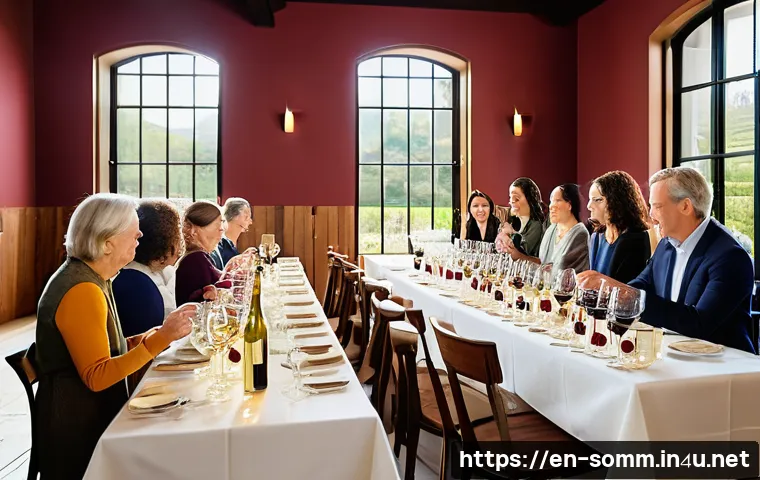
Staff education can improve consistency without turning every server into a specialist. Training can cover wine styles, pairing language, serving temperatures, basic list navigation, and responsible alcohol service. The most useful sessions are practical: staff should be able to explain what a wine tastes like, which menu items may suit it, and when to ask for additional support.
For venues without a full-time sommelier, a structured wine education program may be a realistic way to strengthen service standards.
Full-Time Sommelier vs Wine Consultant vs Staff Training
Comparison table: scope, cost structure, best use case, and limitations
A full-time sommelier provides ongoing attention but is not automatically the best answer. A wine consultant may be better for a restaurant opening, a list redesign, a cellar review, or a seasonal menu change. Supplier support may help with product knowledge and access, while internal training can be effective when the list is intentionally simple.
Cost structure varies by market, venue, and role. Before comparing options, define the work that actually needs to be done: list creation, purchasing, staff training, cellar management, event service, or ongoing guest-facing support.
When a smaller venue may benefit more from outside consulting
A smaller restaurant may not need daily wine leadership. It may instead need a consultant to create a focused list, establish purchasing procedures, train staff, and set review points. This approach can be especially practical when the venue has limited cellar space, a compact menu, or a team that needs clear selling tools rather than a highly technical wine program.
Questions to ask before hiring, contracting, or enrolling staff in wine education
Ask what scope of work is included, who will maintain the wine list after the initial project, and how training will be adapted to the actual menu. Ask how vintage substitutions and unavailable wines will be handled. For wine education programs, review the course focus, training format, and whether it fits the team’s service responsibilities.
Wine Program Operations: Purchasing, Storage, Pricing, and Service Standards
Coordinating with suppliers and managing vintage substitutions
Supplier relationships are part of wine purchasing, but a supplier portfolio should not be the only basis for a list. Wine availability can change, and vintages may shift. A practical program includes a process for reviewing substitutions before they reach the floor, updating staff notes, and adjusting printed or digital lists when needed.
Setting practical storage and cellar-control procedures
Cellar management services can be helpful when inventory is extensive or storage conditions require more structure. Even without a dedicated cellar, staff should know where bottles are stored, how they are organized, and how to identify slow-moving stock. Storage decisions should account for stability, light, vibration, humidity, and bottle position where relevant.
Balancing margin goals with accessible guest choices

Guests need choices they can understand. A list built only around rare, complex, or expensive bottles can limit confidence at the table. A balanced wine program usually includes wines that suit different tastes and menu moments while taking acquisition costs, storage needs, breakage risk, and turnover into account.
Avoiding common service errors that reduce trust and repeat orders
Common problems include serving a wine at an unsuitable temperature, presenting a bottle that is no longer on the list, offering vague recommendations, or failing to explain a vintage substitution. Another frequent mistake is selecting wines that staff cannot confidently describe. Clear service standards and short, repeated training sessions can reduce these issues.
How the Role Changes by Business Type
Fine-dining restaurants and destination hotels
These venues may require deeper food-pairing knowledge, more detailed guest guidance, and stronger coordination between culinary and front-of-house teams. A full-time sommelier may be more relevant when wine service is central to the experience and inventory is complex.
Casual restaurants and wine bars
Casual concepts may benefit from a focused list, strong by-the-glass choices, and staff who can give simple recommendations without hesitation. A consultant-led setup and internal staff training can be a practical model.
Wine shops, private clubs, and corporate events
Retailers may focus more on customer guidance, product selection, storage, and changing supplier availability. Private clubs may need consistent member service and inventory organization. Events often require temporary wine expertise, pairing support, and a service plan that matches the event format.
Wineries and tasting-room experiences
At a winery, the role may center on helping visitors understand wine styles, guiding tastings, supporting responsible service, and connecting the tasting experience with the brand’s available wines. The priority is often clear communication rather than building a broad external wine list.
Selection Criteria and Comparison Summary
Choose based on wine revenue opportunity, menu complexity, team capability, and available budget
Compare service scope, training needs, inventory complexity, and budget before requesting proposals. Consider whether the business needs daily wine leadership or a defined project. Review how often the menu changes, how much wine inventory is held, and whether staff can confidently maintain the program after outside support ends.
Checklist for comparing candidates, consultants, and training providers
Check whether the provider understands your venue type, menu format, staff experience, storage limitations, and supplier process. Clarify who handles wine-list updates, training refreshers, vintage substitutions, and inventory reviews. For wine inventory software selection, look for tools that fit the size and complexity of the program rather than adding unnecessary administrative work.
When comparing restaurant wine consulting or wine education options, review the official service scope and detailed conditions on the relevant provider page before making a commitment.
Signs that the business needs a more structured wine program
It may be time for more structure when staff struggle to explain the list, bottles frequently become unavailable, by-the-glass stock moves slowly, storage feels disorganized, or menu changes are not reflected in wine recommendations. These are operational signals, not proof that a full-time hire is required.
Closing Thoughts
A sommelier’s role is broader than recommending a bottle at the table. The work can support purchasing, storage, list design, staff education, and guest confidence across many types of wine businesses. The most suitable model depends on the operation’s real needs, not on the size of the wine list alone. A focused consultant project or staff training plan may be enough for one venue, while another may benefit from ongoing specialist leadership.
Useful Information to Keep in Mind
1. Keep wine descriptions simple enough for staff and guests to use.
2. Review the list when menus, vintages, supplier availability, or guest demand changes.
3. Treat storage and inventory procedures as part of service quality.
4. Build staff confidence through practical wine training, not memorization alone.
Important Considerations
Sommelier salaries, consulting fees, certification requirements, and return on investment vary by country, market, venue, and role. No single certification guarantees the best fit for every business. A large wine list does not automatically create stronger sales or guest satisfaction. Check local licensing, alcohol service rules, taxes, and pricing regulations before changing a wine program.
Frequently Asked Questions
Q1. Is hiring a sommelier worth it for a small restaurant?
A1. It can be useful when wine is an important part of the menu and guest experience, but a small restaurant may benefit more from a consultant or focused staff training. Assess the list size, service needs, inventory complexity, and available budget before choosing a model.
Q2. What is the difference between a sommelier and a wine consultant?
A2. A sommelier may work directly within a restaurant, hotel, retailer, or event operation and support ongoing wine service. A wine consultant is often engaged for a defined project, such as list design, purchasing guidance, cellar procedures, or staff education. The exact scope depends on the agreement and venue.
Q3. Can a restaurant improve wine sales without employing a full-time sommelier?
A3. Yes. A restaurant may improve wine communication and service through a simpler list, regular review, practical staff training, supplier coordination, and outside consulting where needed. Results depend on the venue, team execution, guest demand, and local market conditions.