A sommelier manages far more than bottle opening: the role connects guest guidance, beverage quality, and organized wine service. Hiring one can add value when wine sales, menu complexity, or guest expectations justify dedicated expertise.
For other businesses, staff training or a focused wine consultant may be a better fit. The right choice depends on the service model, not on certification alone.
Restaurant owners and event hosts should compare practical scope, hospitality skills, and quote inclusions before committing.
At a Glance
- A sommelier supports guests while also managing wine quality, service standards, and beverage operations.
- The role may include purchasing, storage checks, inventory work, team training, and supplier communication.
- Full-time hiring is not the only option; staff training, freelance event service, and wine consulting can suit different needs.
| Option | Best Fit | Main Value | What to Confirm |
|---|---|---|---|
| In-house sommelier | Wine-led dining or consistent service demand | Daily guest guidance and hands-on beverage oversight | Service scope, operational duties, and staff leadership expectations |
| Staff wine training | Simpler wine lists and repeatable service routines | Broader team confidence at the table | Training materials, follow-up support, and practical service standards |
| Freelance event sommelier | Tastings, weddings, and corporate dinners | Focused wine presentation for a specific occasion | Event staffing, pairing support, setup, and service timing |
| Wine consultant | List development, supplier strategy, or cellar setup | Project-based operational guidance | Deliverables, implementation support, and ongoing involvement |
What a Sommelier Actually Does During a Typical Service Day
The Short Answer: Guest Guidance, Beverage Quality, and Profitable Wine Service
A sommelier helps guests choose wine with more confidence while supporting a restaurant’s beverage program. The visible part of the job is tableside service, but the work can also involve wine-list decisions, bottle condition, staff coaching, and inventory awareness. Good wine service should feel useful, not intimidating. A recommendation should reflect the guest’s preferences, the food, and the occasion rather than display technical knowledge for its own sake.
Before Service: Menu Review, Bottle Checks, Storage, and Team Briefing
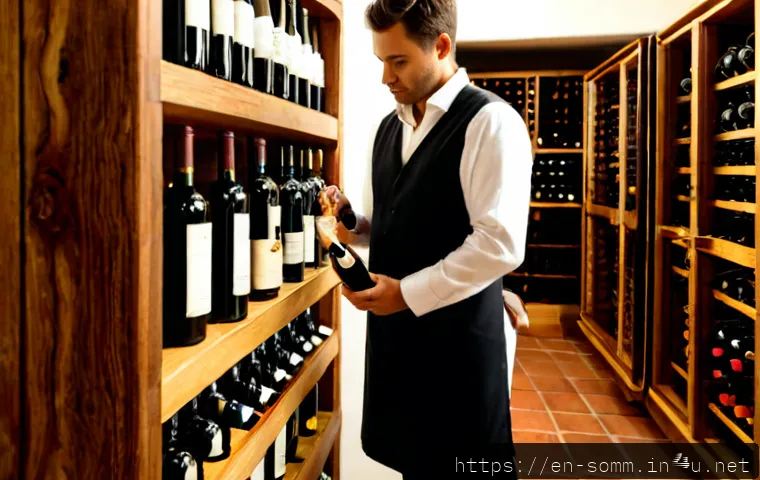
Before guests arrive, a sommelier may review menu changes and identify wines that suit new dishes. They may also check bottle availability, storage conditions, glassware readiness, and whether the team understands the current wine list. This preparation reduces avoidable problems during busy service. It also gives servers a clear way to discuss wines without relying on vague descriptions or price-driven suggestions.
During Service: Recommendations, Pairings, Presentation, and Issue Handling
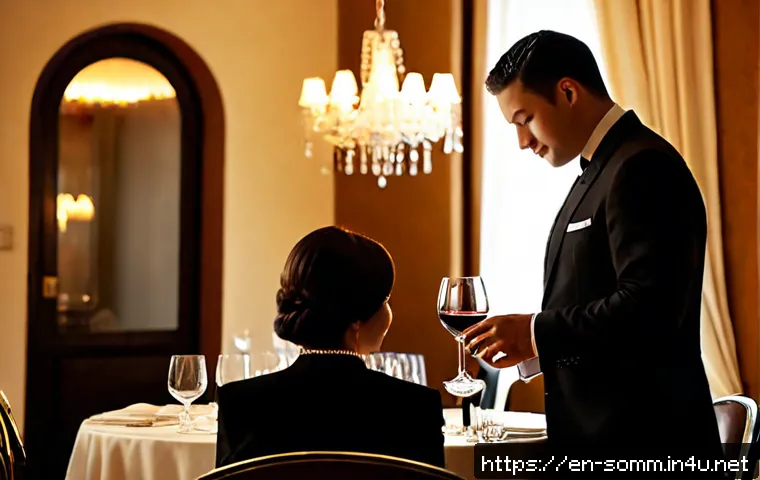
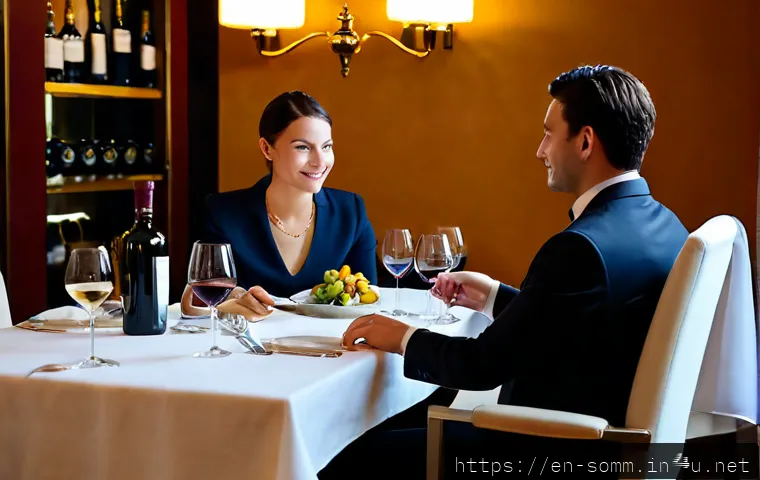
During service, the sommelier listens first. Useful questions are simple: What styles do you usually enjoy? Are you sharing a bottle? Do you prefer something lighter or richer? A recommendation can then be tied to the meal and the guest’s stated preference. Presentation, correct bottle confirmation, suitable glassware, and calm handling of problems are all part of the experience. A guest should never feel pressured into a higher-priced choice.
After Service: Inventory, Sales Review, Supplier Communication, and Staff Feedback
After service, responsibilities may continue with inventory review, bottle movement, sales patterns, supplier communication, and staff feedback. These tasks matter because a wine program is not only a list on paper. It is a working system involving availability, service confidence, and purchasing decisions. The exact division of duties varies by venue, employer, and service model.
Where Sommelier Expertise Adds Value for Restaurants and Events
Improving Guest Confidence Without Making Wine Service Feel Intimidating
Many guests want a helpful recommendation but do not want a lesson in wine terminology. A strong sommelier translates preferences into clear options. For example, the guidance can focus on body, freshness, fruit character, or how a wine works with a dish. The value is often hospitality clarity: guests feel looked after without feeling judged for what they know or spend.
Supporting Wine-List Design, Food Pairings, and Responsible Upselling
A wine list works better when it is understandable for both guests and staff. Sommelier expertise can support wine-list design, food pairings, and practical descriptions that help service teams make appropriate suggestions. Responsible upselling means offering relevant choices, including different styles or price points, rather than steering every table toward the most expensive bottle. This approach can support guest satisfaction and more consistent wine sales.
When a Smaller Venue May Not Need a Full-Time Specialist
A smaller restaurant may not need a full-time sommelier if its list is straightforward, wine demand is limited, or the service team can be trained to follow clear standards. In that situation, a wine education course for staff, periodic restaurant wine-service consulting, or a limited wine-list review may be more practical. The aim is not to copy a luxury service model. It is to match expertise to the actual operation.
Compare the Main Options: Hire, Train Staff, or Use a Wine Consultant
Full-Time Sommelier: Best for High-Volume or Wine-Led Dining
A full-time sommelier can make sense for operations where wine is central to the guest experience and requires regular attention. This model offers daily consistency in recommendations, service standards, team coaching, and beverage oversight. Before hiring, define whether the role includes floor service, purchasing, cellar-management tools, training, or wine-list maintenance. A title alone does not describe the workload.
Freelance Event Sommelier: Best for Tastings, Weddings, and Corporate Dinners
A freelance event sommelier may be suitable when wine service is needed for one occasion rather than every day. For a tasting, wedding, or corporate dinner, clarify whether the provider handles pairings, guest guidance, bottle presentation, setup, and coordination with catering staff. Private-event sommelier rates and wine-pairing package costs vary, so confirm details directly with local providers rather than assuming a standard package.
Staff Training: Best for Simpler Lists and Repeatable Service Standards
Staff training can be a practical option when the goal is to improve everyday service across the whole floor team. Useful training should cover how to ask about preferences, explain the list plainly, present a bottle, and respond to common service issues. Practical repetition matters more than memorizing facts. Ask whether training includes a usable service guide and whether there is support for menu or list changes.
Wine Consultant: Best for List Development, Supplier Strategy, and Cellar Setup
A wine consultant is typically best suited to a defined project. That may include wine-list design, supplier strategy, cellar setup, storage workflow, or service standards. This option can be useful when management needs a plan but does not require a specialist on the floor every night. Confirm what the consultant will deliver, who will implement the recommendations, and whether staff training is included.
Practical Workflow, Service Standards, and Mistakes to Avoid
Confirming Guest Preferences Before Suggesting a Bottle

Start with the guest, not the bottle. Ask a short question about preferred style, budget comfort, food choice, or whether the table wants one bottle to share. Then offer a limited number of clear choices. This creates a more comfortable decision than a long speech full of regions, vintages, and tasting terminology.
Checking Temperature, Glassware, Storage, and Bottle Condition
Service standards rely on small checks done consistently. Wine should be stored and presented with care, glassware should be appropriate and clean, and the bottle should be verified before opening. A restaurant does not need elaborate theater to provide thoughtful service, but it does need reliable habits. Clear procedures help every team member deliver a more consistent experience.
Avoiding Jargon-Heavy Recommendations and Price-Pressure Tactics
Wine language can be useful when it explains a choice, but it becomes a problem when it confuses the guest. Avoid treating wine knowledge as a test. Avoid recommendations that ignore the guest’s stated preference simply to move a particular bottle. The best service balances hospitality, beverage knowledge, and commercial awareness without making the transaction feel forced.
Handling Corked Wine, Incorrect Orders, and Pairing Changes Professionally
Problems happen. A bottle may not meet expectations, an order may be incorrect, or a guest may change course after tasting. The response should be calm, respectful, and solution-focused. Staff should know who can make the decision, how to communicate with the guest, and how to record the issue for follow-up. Consistency matters more than an overly scripted response.
Choosing the Right Level of Wine Expertise for Your Situation
Questions Restaurant Owners Should Ask Before Budgeting for the Role
Start with the operation: Is wine a major part of the dining concept? Does the current team need daily support? Is the menu complex enough to require detailed pairing guidance? Are inventory, supplier decisions, and wine-list updates being handled effectively? These questions help determine whether the need is for a full-time sommelier, restaurant wine-service consulting, or targeted staff training.
What Private Hosts Should Clarify in an Event-Service Quote
Private hosts should clarify the scope before booking. Ask whether the quote covers consultation, wine selection guidance, service time, setup, staffing, glassware coordination, and post-event responsibilities. If pairings are discussed, confirm what the provider is responsible for and what must be arranged separately. A clear scope is more useful than choosing based on a title alone.
Skills to Assess Beyond Certifications and Wine Knowledge
Certification can show commitment to wine education, but it does not guarantee a particular level of tasting, sales, or hospitality skill. Look for communication, calm service under pressure, listening ability, organization, and the capacity to train others. Ask how the person approaches a guest with limited wine knowledge, a changing menu, or a service issue. Those answers often reveal how their expertise works in practice.
Selection Criteria and Comparison Summary
Use these checkpoints before choosing a wine-service solution:
- Guest volume: Decide whether the need is daily, occasional, or event-specific.
- Wine sales and menu complexity: More moving parts may justify more specialized support.
- Service scope: Separate tableside service from list design, purchasing, inventory, and training.
- Staffing time: Consider whether existing employees can realistically apply training during service.
- Deliverables and quote inclusions: Confirm what is included before booking a consultant or event sommelier.
- Trial approach: A limited consultation or trial service can help when long-term needs are unclear.
Compare service scope, training needs, and quote inclusions before booking. For wine education courses, cellar-management tools, or event-service providers, review the official details for the exact support offered.
Closing Thoughts
A sommelier’s work combines hospitality with operational discipline. The right level of expertise depends on the venue, the wine program, and what guests expect from service. Some businesses need dedicated daily leadership, while others benefit more from staff training or a project-based consultant. A clear scope helps turn wine knowledge into a practical service advantage.
Useful Things to Know
- A sommelier’s visible tableside role is only one part of the job.
- Staff training can improve wine service without adding a full-time specialist.
- A consultant may be more suitable for wine-list development or cellar setup than daily floor service.
- Clear, guest-friendly communication is as important as technical wine knowledge.
Important Notes
Working hours, pay, certification expectations, and specific duties vary by location, employer, and venue type. Private-event service rates and pairing package costs should be confirmed directly with local providers. Certification alone should not be treated as proof of a specific level of practical hospitality, tasting, or sales skill.
Frequently Asked Questions
Q1. What does a sommelier do besides recommend wine?
A1. A sommelier may support menu pairings, bottle checks, storage, inventory awareness, supplier communication, wine-list development, and staff training. The exact duties depend on the venue and employer.
Q2. Is hiring a sommelier worth it for a small restaurant or private event?
A2. It can be worthwhile when guests expect guided wine service or when the event has a wine-focused format. For a small restaurant or one-time event, staff training, a freelance event sommelier, or a limited consultation may be a better fit than a full-time role.
Q3. Should a restaurant hire a full-time sommelier, train servers, or use a consultant?
A3. Match the option to wine sales, guest volume, menu complexity, and the work that needs to be done. A full-time sommelier suits ongoing service needs, staff training suits simpler repeatable service, and a consultant suits defined projects such as list development or cellar planning.